
Introduction
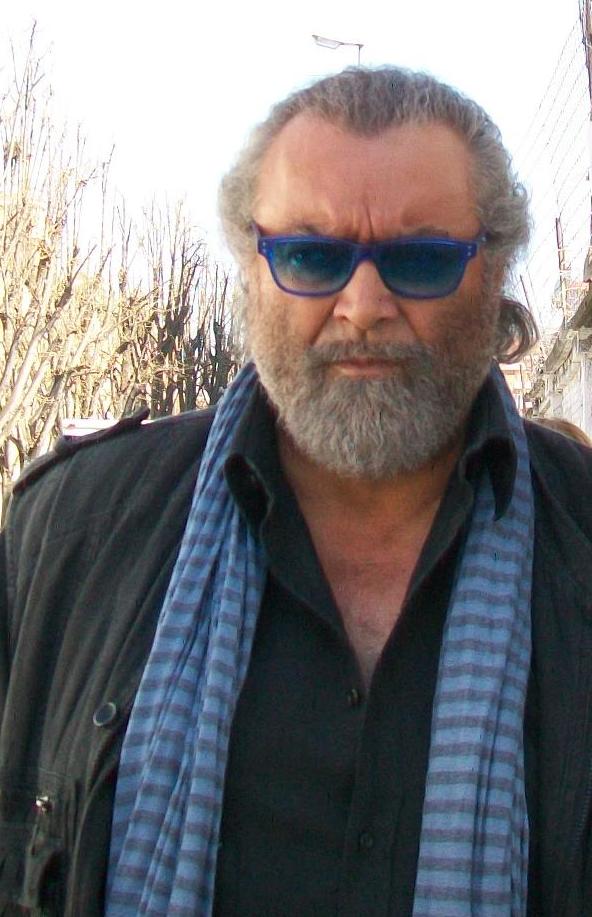
Diego Abatantuono, born on May 20, 1955, in Milan, Italy, is a multifaceted talent in the Italian entertainment industry. With a career spanning over four decades, he has made a significant impact as an actor, comedian, and screenwriter. Known for his distinctive voice, charismatic presence, and comedic genius, Abatantuono’s journey from the streets of Milan to becoming a beloved figure in Italian cinema and television is nothing short of remarkable.
Early Life and Family Background
Diego Abatantuono was born in the working-class neighborhood of Gianbellino in Milan. His father, Matteo, was a shoemaker from Vieste, a town in the Puglia region of southern Italy, while his mother, Rosa, was a Milanese wardrobe assistant at the renowned Derby Club. The Derby Club, initially a jazz venue and later a cabaret theater, was a launching pad for many Italian entertainment icons. Growing up in this vibrant environment, young Diego was exposed to the world of show business from an early age.
Abatantuono’s academic performance was less than stellar, leading him to seek employment at a young age. His uncle, a part-owner of the Derby Club, offered him a job as a lighting technician and stage manager. This opportunity allowed Diego to immerse himself in the theatrical world, mingling with performers and absorbing the nuances of comedic timing and stage presence.
Breaking into Show Business
Diego Abatantuono’s break into show business came in 1972 when he left the Derby Club due to creative differences with his uncle. He returned in 1975 as the artistic director and began performing on stage. His portrayal of the “terruncello,” a character embodying a brash, tough-talking southerner in Milan, became immensely popular. This character’s success paved the way for his entry into film and television.
Early Film Career
In the early 1980s, Abatantuono collaborated with “I Gatti di Vicolo Miracoli,” a comedy group that brought him to the big screen with the film “Arrivano i Gatti” (1980). His role in this film, along with subsequent appearances in “Fantozzi contro tutti,” “Una vacanza bestiale,” and “Fico d’India,” established him as a rising star in Italian cinema.
Iconic Roles and Collaborations
One of Abatantuono’s most iconic roles came in 1981 with “I fichissimi,” directed by Carlo Vanzina. His portrayal of the rough-edged, yet endearing southerner solidified his status as a beloved comedic actor. His character’s dialect and mannerisms became a cultural phenomenon, resonating with audiences across Italy.
Abatantuono’s versatility as an actor was further demonstrated in his collaboration with director Pupi Avati. In “Regalo di Natale” (1986), he delivered a compelling dramatic performance as a gullible cinema owner who loses everything in a high-stakes poker game. This role marked a turning point in his career, showcasing his ability to handle complex and nuanced characters.
The Colorado Records Era and International Recognition
Diego Abatantuono’s partnership with director Gabriele Salvatores proved to be a fruitful one. Together, they founded the production company Colorado Records, producing several acclaimed films. Their collaboration reached its pinnacle with “Mediterraneo” (1991), which won the Academy Award for Best Foreign Language Film. Abatantuono’s performance in this film, along with other projects like “Marrakech Express,” “Turné,” “Puerto Escondido,” and “Nirvana,” cemented his reputation as a versatile and talented actor.
Television and Later Film Work
In addition to his film career, Abatantuono made significant contributions to Italian television. He hosted and starred in various shows, including “Italia Mia” and the TV adaptation of “La tappezzeria.” His role as Commissioner Corso in the series “Notte di luna” showcased his ability to adapt to different genres and formats.
Abatantuono’s later film work continued to impress audiences and critics alike. Notable films from this period include “Camera da letto,” “Il testimone dello sposo,” “Nel continente nero,” and “Il barbiere di Rio.” His performances in these films demonstrated his enduring appeal and adaptability as an actor.
Revival and Continued Success in the 2000s
The 2000s saw a resurgence in Diego Abatantuono’s career with a series of successful films and television projects. In 2004, he co-hosted “Colorado Café Live” with his long-time friend Ugo Conti, bringing his comedic talents to a new generation of viewers. This show became a popular platform for emerging comedians and solidified Abatantuono’s status as a veteran entertainer.
Notable Films of the 2000s
Abatantuono’s filmography in the 2000s includes a mix of comedy, drama, and family films. “Eccezzziunale… veramente – Capitolo secondo… me” (2006) saw him revisiting his beloved character Donato, the die-hard AC Milan fan. Other notable films from this era include “Happy Family” (2010), directed by Gabriele Salvatores, and “Cose dell’altro mondo” (2011), directed by Francesco Patierno.
In “Il peggior Natale della mia vita” (2012) and “Indovina chi viene a Natale?” (2013), Abatantuono showcased his comedic chops in family-oriented holiday films. His ability to blend humor with heartfelt moments made these films memorable for audiences.
Continued Contributions to Television
Diego Abatantuono continued to make significant contributions to Italian television throughout the 2010s. In 2005, he starred in the TV series “Il giudice Mastrangelo,” playing the titular character alongside Amanda Sandrelli. His portrayal of Judge Mastrangelo, a character balancing professional responsibilities with personal dilemmas, was well-received and demonstrated his range as an actor.
Recent Work and Legacy
Diego Abatantuono remains an active and influential figure in the Italian entertainment industry. Recent films such as “I babysitter” (2016) and “Mister Felicità” (2017) have continued to showcase his comedic talents and ability to connect with audiences of all ages.
Influence and Impact
Abatantuono’s impact on Italian culture and entertainment cannot be overstated. His characters, particularly the “terruncello,” have become iconic, reflecting the social and cultural dynamics of Italy. His collaborations with renowned directors and actors have enriched Italian cinema, bringing both laughter and poignant storytelling to the screen.
Personal Life
Diego Abatantuono has managed to maintain a relatively private personal life despite his public career. He is known for his humility and down-to-earth personality, qualities that have endeared him to both fans and colleagues. He continues to live in Milan, the city where his journey began, and remains a beloved figure in the Italian entertainment industry.
Conclusion
Diego Abatantuono’s journey from the working-class neighborhoods of Milan to becoming a celebrated actor and comedian is a testament to his talent, perseverance, and versatility. His ability to navigate different genres, from comedy to drama, has earned him a special place in Italian cinema and television. As he continues to entertain and inspire, Abatantuono’s legacy as one of Italy’s most beloved entertainers is firmly established.
His story is a remarkable example of how passion, talent, and resilience can lead to a successful and fulfilling career. Diego Abatantuono’s contributions to the world of entertainment will undoubtedly continue to resonate with audiences for years to come.


