
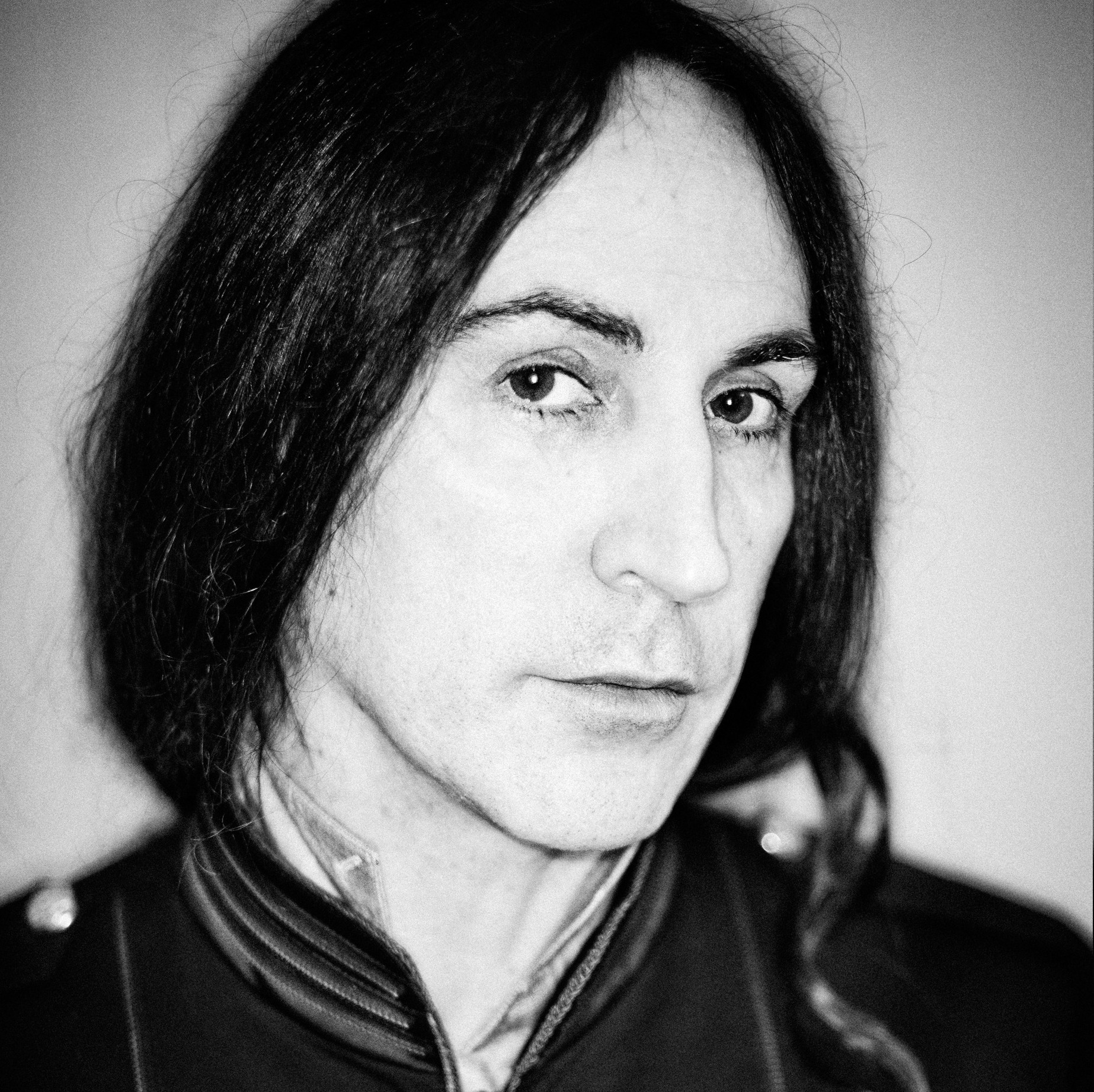
Introduction
Manuel Agnelli, born on March 13, 1966, in Milan, Italy, is a renowned musician, songwriter, and producer. Best known as the frontman of the alternative rock band Afterhours, Agnelli has significantly influenced the Italian music scene since the late 1980s. His multifaceted career spans various roles, including producer, festival organizer, and television personality. This article delves into his age, rise to fame, and the significant highlights of his life, providing a comprehensive understanding of an influential figure in contemporary Italian music.
Early Life and Education
Family Background and Education
Manuel Agnelli grew up in Corbetta, a suburb of Milan. He completed his high school education at the agricultural technical institute “G. Bonfantini” in Novara. His early exposure to diverse cultural influences in Milan, combined with his education, laid the groundwork for his future in music.
Early Musical Interests
Agnelli’s passion for music began in his teenage years, and he quickly gravitated towards forming a band. This initial phase of exploration was crucial in shaping his musical identity and setting the stage for his future endeavors.
Formation and Rise of Afterhours
The Birth of Afterhours
In the mid-1980s, Manuel Agnelli, along with Roberto Girardi and Lorenzo Olgiati, formed the band Afterhours. Initially, Agnelli took on the roles of singer and guitarist, with Girardi on drums and Olgiati on bass. The addition of guitarist Paolo Cantù solidified the band’s lineup. Their debut single, “My Bit Boy,” released in 1987, marked the beginning of a journey that would see Afterhours become a staple in Italian rock music.
Early Success and Recognition
Afterhours released their first album, “All the Good Children Go to Hell,” in 1988, under Toast Records. The album was well-received, and the band quickly gained a reputation for their unique sound and compelling lyrics. Their follow-up album, “During Christine’s Sleep,” released in 1990, received international acclaim, being named album of the month by the American magazine “Alternative Press.”
The 1990s: Establishing a Legacy
Breakthrough Albums
The 1990s were a transformative period for Afterhours. The release of “Germi” in 1995 marked a significant turning point for the band, showcasing a more mature and refined sound. This was followed by “Hai Paura del Buio?” in 1997, an album that is often cited as one of the greatest Italian rock albums of all time. The band’s ability to blend poetic lyrics with powerful melodies earned them a dedicated fan base and critical acclaim.
Collaborations and Side Projects
During this period, Manuel Agnelli also expanded his horizons by collaborating with other artists. He produced Cristina Donà’s debut album “Tregua” and later her follow-up “Nido.” Agnelli’s role as a producer allowed him to influence the broader Italian music scene, bringing a distinctive sound to various projects. He also worked with the band La Crus and the artist Massimo Volume, further establishing his reputation as a versatile and talented musician.
The 2000s: Diversification and Continued Success
Festival Organization and Awards
In 2001, Manuel Agnelli founded the Tora! Tora! Festival in Rimini, an event that celebrated independent music and brought together diverse artists. The festival’s success earned Agnelli recognition as the organizer of the live event of the year at the Meeting of Independent Labels in Faenza. This endeavor highlighted his commitment to supporting and promoting the indie music scene in Italy.
Major Releases and Touring
Afterhours continued to release successful albums throughout the 2000s, including “Quello che non c’è” in 2002 and “Ballate per piccole iene” in 2005. The band also embarked on extensive tours, performing in the United States and Canada, which helped to expand their international fan base. Agnelli’s ability to connect with audiences worldwide underscored his talent as a performer and his band’s global appeal.
Personal Milestones
In 2008, Manuel Agnelli became a father to his daughter Emma. Balancing his personal life with his demanding career, Agnelli’s reflections on fatherhood revealed a deeper, more personal side of the artist, further endearing him to his fans.
The 2010s: Evolution and New Ventures
Continued Musical Innovation
The 2010s saw Afterhours release “Padania” in 2012, an album that continued to push the boundaries of their musical style. Manuel Agnelli’s willingness to experiment and evolve kept the band relevant and respected in the ever-changing music industry.
Television and Public Appearances
In 2016, Manuel Agnelli expanded his influence by becoming a judge on the Italian version of “X Factor.” His participation brought a fresh perspective to the show and introduced him to a broader audience. Despite initial skepticism from some fans, Agnelli’s presence on “X Factor” was well-received, and he continued as a judge in subsequent seasons. His involvement in the show demonstrated his versatility and ability to adapt to different media formats.
Cultural Contributions
Agnelli’s contributions extended beyond music and television. He played a significant role in organizing the cultural festival “Hai Paura del Buio?” which featured performances and collaborations with various artists, including Negramaro, Antonio Rezza, and Daniele Silvestri. This festival not only celebrated music but also highlighted the interconnectedness of different art forms.
Recent Developments and Future Prospects
Recent Projects
Manuel Agnelli continues to be an influential figure in the Italian music scene. He remains active with Afterhours, performing and creating new music. His recent collaborations and projects reflect his ongoing passion for artistic expression and innovation.
Legacy and Influence
Manuel Agnelli’s impact on Italian music is undeniable. His work with Afterhours has left an indelible mark on the industry, inspiring countless musicians and artists. His ability to blend introspective lyrics with powerful music has created a lasting legacy that will continue to influence future generations.
Historical Context and Influence
The Italian Music Scene
To fully appreciate Manuel Agnelli’s contributions, it is essential to understand the broader context of the Italian music scene. Emerging in the late 1980s and 1990s, Agnelli and Afterhours were part of a wave of alternative and indie musicians who challenged the mainstream. Their success paved the way for other bands and helped to diversify the musical landscape in Italy.
Cultural and Social Impact
Manuel Agnelli’s music often reflects broader social and cultural themes, making him not just a musician but a commentator on contemporary issues. His lyrics address topics such as existential angst, social justice, and personal introspection, resonating with audiences on a deeper level.
Conclusion
Manuel Agnelli is a multifaceted artist whose career has significantly shaped the Italian music scene. From his early days with Afterhours to his role as a television personality and cultural organizer, Agnelli’s influence extends far beyond music. His dedication to artistic innovation, coupled with his ability to connect with audiences, ensures that his legacy will endure for years to come. As we look forward to his future projects, we celebrate a career that has consistently pushed boundaries and inspired countless others.


