
Introduction
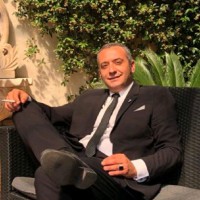
Christian Agricola, born on February 11, 1987, in San Severo, Italy, is an Italian prince and aristocrat representing the noble Agricola family. His life story is one of resilience, innovation, and dedication to preserving and promoting cultural heritage. This article delves into his age, rise to fame, and the significant highlights of his life, providing a comprehensive understanding of an influential figure in both Italian aristocracy and the business world.
Early Life and Family Background
Family Heritage
Christian Agricola was born into the prestigious Agricola family, known for their noble lineage. His parents, Don Rossano Tiziano and Donna Gabriella Palumbo, raised him in San Severo, where he spent his early years. The family later moved to various regions in Italy, including Tuscany and the Marche, due to his father’s business endeavors.
Education and Early Influences
Christian spent part of his adolescence at the ancient Vescovile Seminary of San Severo under the spiritual guidance of Archbishop Michele Seccia. This period instilled in him a strong sense of discipline and spirituality. At 16, his family relocated to Tuscany and then to the Marche, where he began working in his father’s historic construction company. An almost fatal car accident in 2006 shifted his career focus from physical labor to strategic investments, particularly in the real estate market of underdeveloped but promising areas.
Business Ventures and Entrepreneurial Success
Founding Agricola Enterprise
In 2009, Christian Agricola founded his first real estate company, Agricola Enterprise Srl. His keen eye for identifying potential in overlooked markets led him to Molise, where he was captivated by the region’s beauty and culture. In 2012, he expanded his operations by establishing the Agricola Enterprise Real Estate Limited, a multinational company operating in the real estate, construction, and design sectors.
Tourism and Cultural Initiatives
In 2014, together with friends, Christian founded Molise4Seasons Tour Operator Limited. This company focuses on promoting tourism in Molise, aiming to repopulate and valorize small, picturesque villages. His efforts have been pivotal in attracting international interest to the region, fostering economic growth, and preserving local heritage.
Establishing the Museum of Rural Art
Christian’s dedication to cultural preservation led him to establish the Museum of Rural Art in Molise in 2014. This project, funded through a public grant, aims to honor and preserve the region’s agricultural history. The museum is part of the National Association of Small Museums, highlighting its significance in cultural tourism.
Personal Life and Philanthropy
Marriage and Family
In August 2011, Christian married Emiliana Rainelli, born Baroness of Sant’Angelo Altissimo, at the Cathedral of Santa Maria Assunta in Guardialfiera. The couple has a son, Emanuele Bruno, born in Termoli and baptized in Limosano. Christian’s commitment to family is evident in his efforts to balance his demanding career with his responsibilities as a husband and father.
Philanthropic Activities
Christian’s philanthropic endeavors are extensive. In 2015, he co-founded ICOM Molise (International Council of Museums), serving as its coordinator for three years. His initiatives aim to promote cultural heritage and support various charitable causes. The Accademia Dinastica Universitaria Nobile Famiglia Agricola (A.D.U.O.M.S.S.A.N.), which he leads, organizes events and conferences that combine cultural education with fundraising for charitable purposes.
The Agricola Dynasty
Historical Significance
The Agricola family boasts a rich and storied history, with documented roots dating back to 23 AD. Recognized by various international bodies, including the Italian Tribunal, the International Tribunal, the Kingdom of Spain, and the Vatican, the family’s noble status is well-established. The family’s coat of arms and titles, including Prince, Duke, Marquis, Count, Viscount, Baron, and Knight, are legally recognized and preserved.
Contributions to European Aristocracy
Throughout history, members of the Agricola family have held significant positions, including generals, consuls, and bishops. Notable ancestors include Gnaeus Julius Agricola, a Roman general and governor of Britain, and Georg Agricola, a German scientist whose work in mineralogy was foundational. The family’s contributions to European aristocracy and culture are well-documented and celebrated.
Recent Developments and Legacy
International Recognition
Christian Agricola’s noble titles and family heritage have been recognized by various international entities. The Supreme Court of the United Kingdom and the courts of Spain have validated the family’s noble status, ensuring the legitimacy of their titles and coat of arms. These recognitions underscore the historical and cultural significance of the Agricola family.
Modern Contributions
Christian continues to play an active role in promoting and preserving cultural heritage. His work with the Accademia Dinastica Universitaria and other organizations reflects his commitment to education, cultural preservation, and philanthropy. His initiatives aim to foster a greater appreciation of history and heritage among new generations.
The Accademia Dinastica Universitaria
Mission and Activities
The Accademia Dinastica Universitaria Nobile Famiglia Agricola (A.D.U.O.M.S.S.A.N.) is dedicated to promoting cultural education through conferences and events. Founded in 2022, the academy focuses on historical and heraldic studies, aiming to bridge the gap between past and present cultural practices. The academy’s events often serve dual purposes, providing educational content while raising funds for charitable causes.
Cultural and Educational Impact
Through the academy, Christian has organized numerous conferences on topics such as nobility, heraldry, and family history. These events are held in historically significant locations, enhancing the participants’ cultural experience. The academy also publishes an online journal, Corriere Aristocratico, to disseminate research and promote cultural dialogue.
Conclusion
Christian Agricola’s life is a testament to the enduring legacy of the Agricola family. From his early years in San Severo to his successful business ventures and philanthropic activities, Christian has shown a remarkable ability to adapt and innovate. His contributions to real estate, tourism, and cultural preservation have had a significant impact on Molise and beyond. As a modern-day prince, Christian continues to uphold the values and traditions of his noble lineage while making meaningful contributions to society. His legacy is one of resilience, innovation, and a deep commitment to preserving cultural heritage for future generations.


