
Introduction
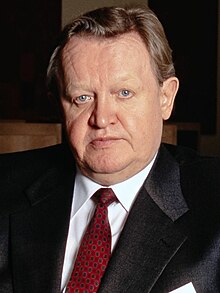
Martti Ahtisaari, born on June 23, 1937, in Viipuri, Finland (now Vyborg, Russia), was a Finnish diplomat and politician renowned for his efforts in conflict resolution and international diplomacy. Awarded the Nobel Peace Prize in 2008, Ahtisaari’s career spanned several decades, during which he played pivotal roles in peace processes across the globe. This article delves into his age, rise to fame, and significant highlights of his life, providing a comprehensive understanding of his impact and legacy.
Early Life and Education
Family Background and Early Influences
Martti Ahtisaari was born into a Finnish family in Viipuri, a city that was part of Finland at the time but later became part of Russia following the Winter War. His father, Oiva Ahtisaari, served in the Finnish military, and his family moved to Finland when Martti was a year old. This early displacement due to geopolitical conflict perhaps laid the foundation for his later career in peacebuilding and diplomacy.
Academic Pursuits
Ahtisaari pursued higher education at the University of Oulu, where he graduated with a degree in education. His interest in global affairs and development led him to work with various student organizations, setting the stage for his future in international diplomacy.
Early Career and Diplomatic Beginnings
Ministry of Foreign Affairs
In 1965, Ahtisaari began his career in the Finnish Ministry of Foreign Affairs as an expert in development cooperation. His work focused on fostering international development projects, which helped him build a network of contacts and gain valuable experience in diplomacy.
Ambassador to Tanzania
In 1973, Finnish President Urho Kekkonen appointed Ahtisaari as the ambassador to Tanzania, with additional responsibilities for Somalia and Mozambique. During his tenure in Africa, Ahtisaari developed strong relationships with local leaders and international organizations, particularly the South West Africa People’s Organization (SWAPO), which played a crucial role in Namibia’s independence.
Key Achievements in Diplomacy
Namibia’s Independence
Ahtisaari’s most notable early achievement was his involvement in the independence process of Namibia. Appointed by the United Nations in 1977 as the Special Representative for Namibia, Ahtisaari played a central role in facilitating the transition to independence from South African rule. His efforts culminated in Namibia’s independence in 1990, earning him international acclaim.
Roles within the United Nations
Ahtisaari held several key positions within the United Nations, including Under-Secretary-General for Administration and Management from 1987 to 1991. In this role, he worked to enhance the efficiency and effectiveness of the UN’s administrative functions, further establishing his reputation as a capable and committed diplomat.
Presidency of Finland
Election Victory
In 1994, Ahtisaari returned to Finland and was nominated as the presidential candidate for the Social Democratic Party. He won the election in the second round, defeating Elisabeth Rehn of the Swedish People’s Party. His presidency was marked by significant international engagement and a focus on integrating Finland more closely with the European Union.
Domestic and International Policies
As President of Finland, Ahtisaari continued to advocate for international cooperation and conflict resolution. He played a key role in hosting the 1997 Helsinki Summit, which brought together U.S. President Bill Clinton and Russian President Boris Yeltsin to discuss NATO’s eastward expansion. Ahtisaari’s diplomatic skills were crucial in facilitating these high-stakes discussions.
Kosovo Conflict and Peace Negotiations
Ahtisaari’s diplomatic efforts extended to the Balkans, where he, along with Russian Prime Minister Viktor Chernomyrdin, negotiated an agreement with Yugoslav President Slobodan Milosevic to end the Kosovo War in 1999. This achievement further cemented his reputation as a skilled mediator capable of resolving complex international conflicts.
Post-Presidency Activities
Crisis Management Initiative (CMI)
After leaving office in 2000, Ahtisaari founded the Crisis Management Initiative (CMI), an organization dedicated to conflict resolution and peacebuilding. Through CMI, Ahtisaari continued to engage in international diplomacy, facilitating peace processes in various conflict zones.
Northern Ireland Peace Process
In 2000, Ahtisaari was tasked by the British government to inspect the disarmament of the Irish Republican Army (IRA), contributing to the peace process in Northern Ireland. His involvement demonstrated his ongoing commitment to resolving long-standing conflicts through dialogue and negotiation.
Aceh Peace Agreement
Ahtisaari’s most significant post-presidency achievement was his role in mediating the peace agreement between the Indonesian government and the Free Aceh Movement (GAM) in 2005. The agreement ended nearly three decades of conflict in the Aceh region and highlighted Ahtisaari’s effectiveness as a mediator.
Nobel Peace Prize and Continued Influence
Nobel Peace Prize 2008
In recognition of his extensive contributions to international peace and conflict resolution, Martti Ahtisaari was awarded the Nobel Peace Prize in 2008. The Nobel Committee praised his efforts in resolving conflicts in Namibia, Kosovo, and Aceh, emphasizing his role in making the world a safer place.
Ongoing Peace Efforts
Even after receiving the Nobel Peace Prize, Ahtisaari continued his work in international diplomacy. He facilitated secret meetings between Sunni and Shia leaders in Iraq, aiming to reduce sectarian violence and promote peace. His relentless dedication to peacebuilding remained a hallmark of his career.
Historical Context and Influence
Cold War and Post-Cold War Diplomacy
Ahtisaari’s career spanned significant geopolitical shifts, from the Cold War to the post-Cold War era. His ability to navigate these changing landscapes and build bridges between conflicting parties demonstrated his adaptability and strategic acumen.
Legacy in International Relations
Martti Ahtisaari’s legacy in international relations is marked by his steadfast commitment to peace and diplomacy. His work has inspired countless diplomats and peacebuilders, reinforcing the importance of dialogue and negotiation in resolving conflicts.
Impact on Finland
Ahtisaari’s presidency and subsequent diplomatic efforts elevated Finland’s standing in international affairs. His contributions to global peace processes brought recognition and respect to Finland as a nation committed to promoting peace and stability.
Personal Life and Legacy
Family and Personal Interests
Martti Ahtisaari was married to Eeva Irmeli Hyvärinen, and the couple had one son, Marko Ahtisaari, who has made a name for himself in the fields of design and technology. Ahtisaari’s family provided steadfast support throughout his demanding career in public service and diplomacy.
Final Years and Passing
Martti Ahtisaari passed away on October 16, 2023, at the age of 86, due to complications related to Alzheimer’s disease. His death marked the end of a remarkable life dedicated to the pursuit of peace and the resolution of conflicts. The international community mourned his loss, reflecting on his significant contributions to global stability.
Conclusion
Martti Ahtisaari’s life and career epitomize the power of diplomacy and the enduring quest for peace. From his early days as a Finnish diplomat to his pivotal roles in international peace processes, Ahtisaari’s impact on global affairs is profound and far-reaching. His legacy serves as a testament to the importance of dialogue, negotiation, and unwavering commitment to resolving conflicts. As we remember Martti Ahtisaari, we celebrate a life dedicated to making the world a better, more peaceful place.


