
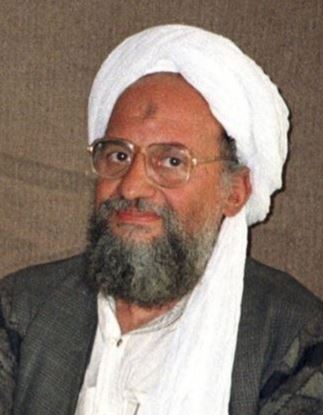
Ayman Al-Zawahiri, born on June 19, 1951, in Cairo, Egypt, was a prominent figure in global terrorism and the leader of the notorious terrorist organization Al-Qaeda following the death of Osama Bin Laden. His journey from a young, educated Egyptian doctor to the most wanted terrorist in the world is marked by radicalization, militant activities, and global infamy. This article delves into the life, rise to notoriety, and the significant milestones of Ayman Al-Zawahiri’s life.
Early Life and Education
Ayman Al-Zawahiri was born into a well-respected and affluent family in Cairo. His family was part of Egypt’s educated elite, with many members holding prominent positions in academia and medicine. His father, Mohammed Rabie al-Zawahiri, was a pharmacologist, and his mother came from a politically active family. Ayman’s sister, Heba Mohamed al-Zawahiri, became a professor of medical oncology at Cairo University.
Al-Zawahiri was a bright student, excelling in his studies. He attended Cairo University, where he studied medicine, graduating in 1974. He specialized in surgery and worked as a surgeon for the Egyptian army. His education and early career seemed to set the stage for a life dedicated to healing and science. However, his path took a drastic turn towards radicalism during his university years.
Radicalization and Early Militant Activities
The turning point in Al-Zawahiri’s life came in 1967, during the Six-Day War, when Israel defeated the Arab armies. This event deeply affected many in the Arab world, including the young Ayman. He became increasingly influenced by the teachings of Sayyid Qutb, a leading member of the Muslim Brotherhood, whose radical ideology advocated for the establishment of Islamic rule through jihad.
In 1979, Al-Zawahiri joined the Egyptian Islamic Jihad (EIJ), a militant organization that sought to overthrow the Egyptian government and establish an Islamic state. He quickly rose through the ranks, becoming one of the group’s leaders. In 1981, following the assassination of Egyptian President Anwar Sadat by an Islamic Jihad member, Al-Zawahiri was arrested and imprisoned for three years on charges of weapons possession. His imprisonment and the brutal treatment he endured further solidified his radical views.
Alliance with Osama Bin Laden
After his release from prison, Al-Zawahiri traveled to Pakistan, where he worked with the Red Crescent providing medical aid to Afghan refugees. During this time, he met Osama Bin Laden, the wealthy Saudi who was funding and organizing the mujahideen fighting against the Soviet invasion of Afghanistan. The two shared a vision of global jihad and formed a close alliance.
In 1998, Al-Zawahiri merged his faction of the Egyptian Islamic Jihad with Bin Laden’s Al-Qaeda. This merger was a significant moment in the history of global terrorism, combining Al-Zawahiri’s strategic thinking and organizational skills with Bin Laden’s financial resources and charismatic leadership. Together, they orchestrated numerous attacks, including the bombings of U.S. embassies in Kenya and Tanzania in 1998 and the attack on the USS Cole in 2000.
September 11 Attacks and Global Infamy
Al-Zawahiri played a crucial role in planning and executing the September 11, 2001, attacks on the United States, which resulted in the deaths of nearly 3,000 people. The attacks catapulted Al-Qaeda into global infamy and made Al-Zawahiri and Bin Laden the most wanted men in the world.
Following the U.S. invasion of Afghanistan in response to the 9/11 attacks, Al-Zawahiri went into hiding. He continued to release video and audio messages, urging Muslims to join the jihad against the West and maintain Al-Qaeda’s influence. Despite numerous attempts to capture or kill him, Al-Zawahiri evaded the U.S. and allied forces for years.
Leadership of Al-Qaeda
After Osama Bin Laden was killed by U.S. Navy SEALs in Pakistan in May 2011, Al-Zawahiri was named the leader of Al-Qaeda. His leadership style was more reclusive and less charismatic than Bin Laden’s, but he remained a significant figure in global terrorism. Under his leadership, Al-Qaeda faced challenges from rival jihadist groups, most notably the Islamic State (ISIS), which declared a caliphate in 2014.
Despite these challenges, Al-Zawahiri managed to keep Al-Qaeda active, particularly through its regional affiliates. He continued to issue statements and videos, maintaining the ideological core of the organization and urging attacks against Western targets.
Death and Legacy
On July 31, 2022, Ayman Al-Zawahiri was killed in a U.S. drone strike in Kabul, Afghanistan. His death marked the end of an era for Al-Qaeda but also raised questions about the future direction of the organization. Al-Zawahiri’s legacy is one of violence and terror, having masterminded or inspired numerous attacks that have caused untold suffering around the world.
His life story, from a privileged and educated upbringing to becoming the leader of a global terrorist network, is a stark reminder of the complex and often personal paths that lead individuals towards radicalization. Al-Zawahiri’s impact on global terrorism and the ongoing threat of extremist violence remain significant issues for international security.
Personal and Family Life
Ayman Al-Zawahiri’s personal life was marked by his strong ideological convictions and dedication to the cause of jihad. He married Azza Ahmed Nowari in 1978, and they had four daughters and a son. His family life was deeply intertwined with his militant activities. Reports indicate that his wife and at least two of his children were killed in a U.S. airstrike in 2001.
Despite his reclusive nature, Al-Zawahiri’s family background and personal experiences significantly influenced his radical beliefs. His early exposure to the ideas of Sayyid Qutb and the impact of the Six-Day War were pivotal in shaping his worldview. His medical training and work as a surgeon also provided him with skills and a network that he utilized in his militant activities.
The Ideological Influence of Ayman Al-Zawahiri
Al-Zawahiri was not only a leader but also a prolific writer and ideologue. He authored several books and treatises on jihad, Islamic governance, and the role of violence in achieving political ends. His writings have been widely circulated among jihadist circles and continue to influence extremist thought.
One of his most notable works is “Knights Under the Prophet’s Banner,” in which he outlines his vision for global jihad and the strategies necessary to achieve it. He emphasized the importance of ideological purity, organizational discipline, and the need for a long-term struggle against perceived enemies of Islam.
Al-Zawahiri’s ideological contributions have left a lasting impact on jihadist movements worldwide. His emphasis on the combination of violent action and ideological indoctrination has been a blueprint for various terrorist groups that followed.
Al-Qaeda’s Structure and Operations Under Al-Zawahiri
Under Al-Zawahiri’s leadership, Al-Qaeda maintained a decentralized structure, with various regional affiliates operating semi-independently. This structure allowed the organization to adapt to changing circumstances and survive despite significant losses of leadership and territory.
Al-Zawahiri’s tenure saw the rise of powerful Al-Qaeda affiliates in regions such as the Arabian Peninsula (AQAP), North Africa (AQIM), and the Indian Subcontinent (AQIS). These groups carried out numerous attacks, including high-profile operations and insurgencies, furthering Al-Qaeda’s goals and extending its influence.
Despite competition from ISIS, Al-Qaeda under Al-Zawahiri remained committed to its long-term strategy of attrition against the West and its allies. His focus on embedding the organization within local insurgencies and fostering alliances with other militant groups helped sustain Al-Qaeda’s relevance.
The Impact of Ayman Al-Zawahiri’s Death on Global Terrorism
The death of Ayman Al-Zawahiri marked a significant blow to Al-Qaeda, but it also raised questions about the future of global jihadist movements. Al-Zawahiri’s leadership style and ideological rigidity were key factors in maintaining the coherence and continuity of Al-Qaeda despite internal and external challenges.
His death may lead to a power struggle within Al-Qaeda, with potential successors vying for control. This could result in either a more fragmented organization or the emergence of new leadership that might bring different strategic priorities. The ongoing threat posed by Al-Qaeda affiliates and the broader jihadist landscape remains a critical concern for international security agencies.
Conclusion
Ayman Al-Zawahiri’s life and legacy are a testament to the complex and often personal paths that lead individuals towards radicalization and global terrorism. From his early years in a privileged Egyptian family to becoming the leader of Al-Qaeda, Al-Zawahiri’s journey was marked by ideological fervor, militant activities, and a relentless pursuit of jihadist goals.
His contributions to global terrorism, particularly through his strategic and ideological guidance, have left an indelible mark on the world. The death of Ayman Al-Zawahiri represents the end of an era for Al-Qaeda, but the challenges posed by extremist violence and the threat of terrorism continue to loom large.


