
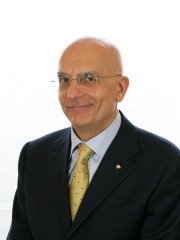
Gabriele Albertini is a prominent figure in Italian politics and business, known for his impactful contributions and leadership. This comprehensive article delves into his life, exploring his age, fame, and key highlights that have shaped his illustrious career. We will examine his early life, rise to prominence, significant achievements, and his lasting influence in the political and business arenas. Our aim is to provide a thorough understanding of Gabriele Albertini, drawing on both historical context and contemporary insights.
Early Life and Education
Gabriele Albertini was born on July 6, 1950, in Milan, Italy. He grew up in a city known for its rich cultural heritage and economic significance. Milan, often regarded as the fashion and financial capital of Italy, provided a vibrant backdrop for Albertini’s formative years.
Albertini pursued higher education with a focus on law, graduating from the prestigious University of Milan. This academic foundation equipped him with the knowledge and skills necessary to navigate the complexities of both the legal and political landscapes. His early years were marked by a deep interest in governance and public service, which would later define his career trajectory.
Rise to Prominence
Political Career
Albertini’s political career began in earnest in the 1990s, a period of significant transformation in Italian politics. He joined the center-right party, Forza Italia, founded by Silvio Berlusconi. His alignment with Forza Italia positioned him within a political movement that sought to reshape Italy’s political and economic structures.
In 1997, Albertini was elected as the Mayor of Milan, a role he held until 2006. His tenure as mayor was characterized by ambitious urban development projects and efforts to modernize the city. Under his leadership, Milan saw significant improvements in infrastructure, transportation, and public services. Albertini’s focus on innovation and efficiency earned him widespread recognition and established his reputation as a forward-thinking leader.
European Parliament
After serving as mayor, Albertini’s political career extended to the European stage. In 2004, he was elected as a Member of the European Parliament (MEP), where he represented the interests of Italy and Milan on a broader platform. During his time as an MEP, Albertini was involved in several key committees, including the Committee on Industry, Research and Energy, and the Committee on Transport and Tourism. His work in the European Parliament further solidified his status as a prominent political figure with influence extending beyond national borders.
Significant Achievements
Urban Development and Infrastructure
One of Albertini’s most notable achievements during his tenure as Mayor of Milan was his focus on urban development and infrastructure. He spearheaded several projects aimed at revitalizing the city and enhancing its global competitiveness. Key initiatives included the redevelopment of the Milan Central Station, improvements to the city’s public transportation system, and the promotion of sustainable urban planning practices.
Albertini’s efforts in urban development were not only about modernizing the city’s physical infrastructure but also about fostering a sense of community and improving the quality of life for Milan’s residents. His vision for a more connected and efficient city resonated with many and left a lasting legacy on Milan’s urban landscape.
Economic Growth and Innovation
Albertini’s tenure as mayor also saw a concerted effort to stimulate economic growth and innovation. He recognized the importance of positioning Milan as a hub for business and technology, attracting both domestic and international investments. Under his leadership, the city hosted several major events, including the annual Milan Furniture Fair and the Expo 2015 bid. These events not only boosted the local economy but also showcased Milan’s potential as a global center for commerce and innovation.
Historical Context and Influence
Political Landscape of Italy
To fully appreciate Gabriele Albertini’s impact, it is essential to understand the broader political landscape of Italy during his career. The 1990s and early 2000s were a period of significant political upheaval in Italy, marked by the rise of new political movements and the reconfiguration of traditional party structures. Albertini’s affiliation with Forza Italia positioned him within a dynamic and evolving political context, where new ideas and approaches were being tested.
Legacy and Continuing Influence
Albertini’s legacy extends beyond his immediate achievements. His approach to governance, characterized by a focus on efficiency, innovation, and community engagement, has influenced subsequent leaders and policymakers. The projects he initiated and the policies he implemented continue to shape Milan’s development and serve as a model for other cities.
Honors and Recognition
Throughout his career, Albertini has received numerous honors and accolades in recognition of his contributions to politics and public service. These include prestigious awards and honorary titles, reflecting his standing as a respected and influential figure.
Personal Life
Family and Personal Interests
Despite his public persona, Gabriele Albertini has maintained a relatively private personal life. He is known to be a family-oriented individual, with a deep appreciation for Italian culture and traditions. His interests extend beyond politics, encompassing areas such as art, literature, and music. Albertini’s personal life, while often overshadowed by his professional achievements, provides a glimpse into the values and passions that have guided his career.
Ongoing Contributions
Even after stepping back from active political roles, Albertini continues to contribute to public life. He remains engaged in various advisory and consultancy capacities, offering his expertise and insights to a range of organizations and institutions. His ongoing involvement underscores his commitment to public service and his enduring influence on Italian and European politics.
Conclusion
Gabriele Albertini’s life and career are a testament to his dedication to public service and his vision for a better, more connected society. From his early days in Milan to his tenure as mayor and his role in the European Parliament, Albertini has consistently demonstrated a commitment to innovation, efficiency, and community engagement. His achievements in urban development, economic growth, and political leadership have left an indelible mark on Milan and beyond.
As we reflect on Albertini’s contributions, it is clear that his legacy will continue to inspire future generations of leaders. His approach to governance, characterized by a blend of pragmatism and visionary thinking, offers valuable lessons for those seeking to navigate the complexities of contemporary politics and public administration.


