
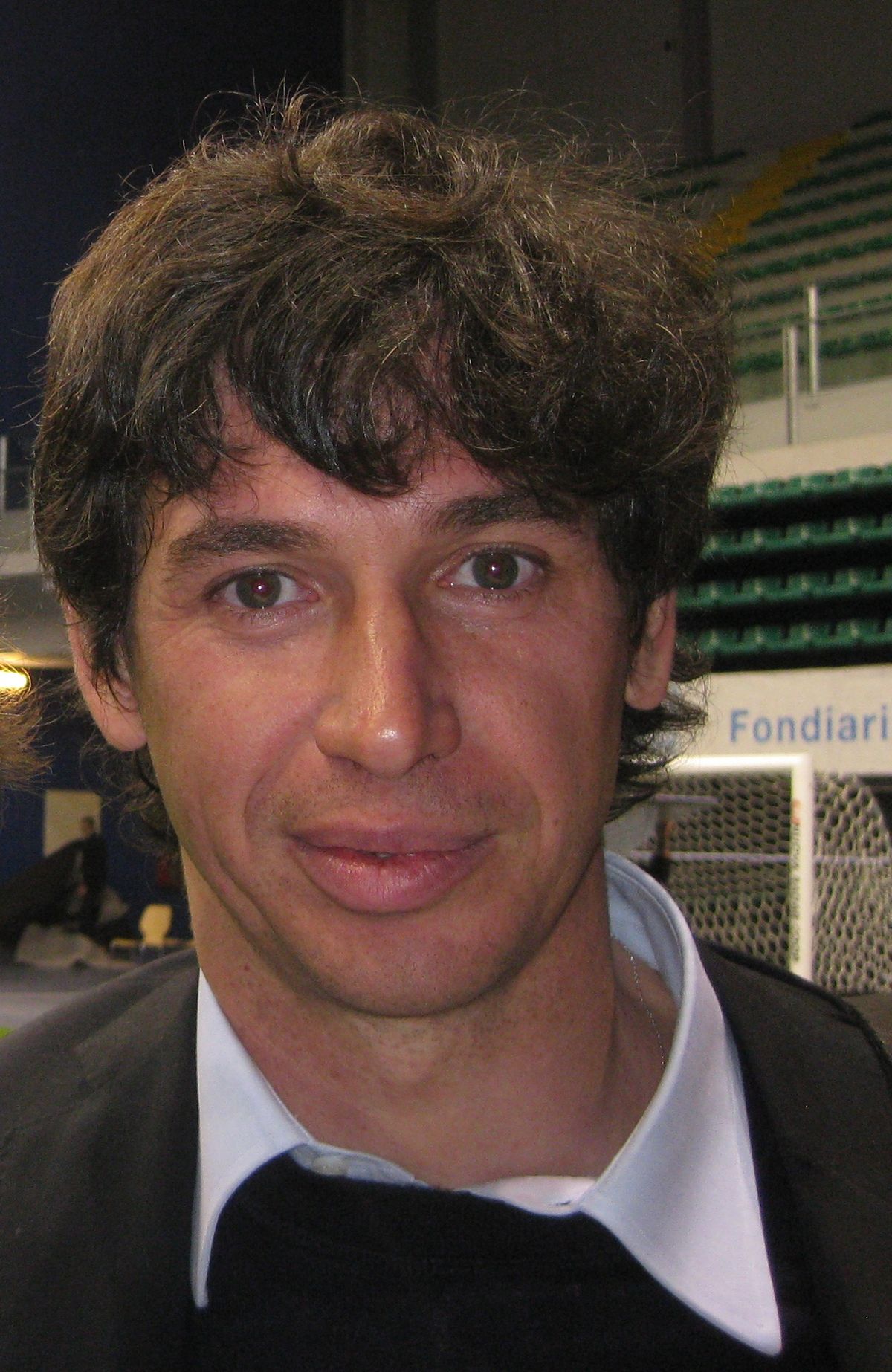
Demetrio Albertini is a name that resonates profoundly in the world of football. Known for his illustrious career and significant contributions to the sport, Albertini’s journey from a young talent to an iconic figure is a testament to his dedication and skill. This article explores Demetrio Albertini’s age, fame, and life highlights, providing detailed insights and explanations into his career, achievements, and lasting impact on football. We will delve into his early life, rise to prominence, major accomplishments, and his legacy in the football world, offering a comprehensive view of one of the sport’s most respected figures.
Early Life and Background
Demetrio Albertini was born on August 23, 1971, in Besana in Brianza, a small town in the province of Monza e Brianza, Italy. Growing up in a country where football is more than just a sport, but a cultural phenomenon, Albertini’s passion for the game was evident from a young age. His talent did not go unnoticed, and he soon joined the youth academy of A.C. Milan, one of Italy’s most prestigious football clubs.
Youth Career at A.C. Milan
Albertini’s journey began at the tender age of 11 when he entered the youth ranks of A.C. Milan. His development within the club’s renowned academy system was rapid, showcasing his potential as a future star. The academy, known for producing top-tier talent, provided Albertini with the perfect environment to hone his skills, develop his game intelligence, and understand the nuances of professional football.
Rise to Prominence
Debut and Early Years
Demetrio Albertini made his professional debut for A.C. Milan in the 1988-1989 season at the age of 17. It was a period when Milan was establishing itself as a dominant force in European football under the management of Arrigo Sacchi and later Fabio Capello. Albertini’s early years in the senior team were marked by a steep learning curve and rapid adaptation to the demands of top-flight football.
Establishing Himself as a Midfield Maestro
Albertini’s role as a central midfielder became more prominent in the early 1990s. Known for his exceptional passing ability, vision, and tactical intelligence, he quickly established himself as a key player for Milan. His ability to control the tempo of the game, combined with his defensive skills and set-piece proficiency, made him an indispensable asset to the team.
National Team Recognition
Albertini’s performances at the club level soon earned him a call-up to the Italian national team. He made his debut for Italy in 1991 and went on to represent his country in three UEFA European Championships (1996, 2000, 2004) and two FIFA World Cups (1994, 1998). His contributions to the national team further solidified his reputation as one of the best midfielders of his generation.
Major Achievements and Highlights
Club Success with A.C. Milan
Albertini’s tenure at A.C. Milan was filled with numerous successes. He won five Serie A titles (1991-92, 1992-93, 1993-94, 1995-96, and 1998-99) and was part of the Milan squad that clinched three UEFA Champions League titles (1989-90, 1993-94, 2002-03). His contributions were pivotal in Milan’s dominance both domestically and internationally during the 1990s.
International Achievements
On the international stage, Albertini played a crucial role in Italy’s run to the final of the 1994 FIFA World Cup, where they finished as runners-up to Brazil. He also helped Italy reach the final of the UEFA Euro 2000, losing narrowly to France in a dramatic match. These accomplishments highlighted his ability to perform at the highest level and his importance to the national team.
Individual Accolades
Throughout his career, Albertini received several individual honors, recognizing his contributions to football. He was named in the UEFA Team of the Year in 2000 and was included in the A.C. Milan Hall of Fame. His consistent performances earned him respect from teammates, opponents, and fans alike.
Historical Context and Influence
Italian Football in the 1990s
To understand Albertini’s impact, it’s essential to consider the broader context of Italian football during his career. The 1990s were a golden era for Serie A, attracting some of the world’s best talents and becoming the most competitive league globally. Albertini’s success at Milan coincided with this period, contributing to the club’s and the league’s prominence.
Evolution of the Midfield Role
Albertini’s playing style influenced the evolution of the central midfield role. His ability to operate as a deep-lying playmaker set a standard for future generations. Players like Andrea Pirlo have often cited Albertini as an inspiration, acknowledging his role in redefining the position.
Personal Life and Post-Retirement
Family and Personal Interests
Despite his high-profile career, Albertini has managed to keep much of his personal life private. He is known to be a family man, married to his wife, Silvia, with whom he has two children. Albertini’s interests extend beyond football, including a passion for music and a keen interest in social issues.
Post-Retirement Career
After retiring from professional football in 2005, Albertini transitioned into various roles within the sport. He served as vice-president of the Italian Football Federation (FIGC) and was involved in administrative and advisory capacities. His post-retirement career reflects his ongoing commitment to football and his desire to give back to the sport that defined his life.
Contributions to Football Governance
In his role with the FIGC, Albertini focused on improving the governance and management of Italian football. His experience as a player provided valuable insights into the needs of athletes and the importance of effective administration. His contributions have been instrumental in shaping policies aimed at enhancing the development of football in Italy.
Legacy and Continuing Influence
Impact on Future Generations
Albertini’s legacy is evident in the players he inspired and the standards he set. His professionalism, work ethic, and tactical intelligence have left an indelible mark on the sport. Young midfielders aspiring to reach the top level often look to Albertini’s career as a model of excellence.
Honors and Recognition
Throughout his career and beyond, Albertini has been honored with various awards and recognitions. These accolades not only celebrate his achievements on the field but also his contributions to football off the field. His induction into the A.C. Milan Hall of Fame and other honors underscore his lasting impact on the sport.
Conclusion
Demetrio Albertini’s journey from a young talent in Milan to a celebrated football icon is a story of dedication, skill, and unwavering passion. His contributions to A.C. Milan, the Italian national team, and football governance have left a lasting legacy. Albertini’s influence extends beyond his playing days, shaping the future of football through his roles in administration and his ongoing involvement in the sport.
As we reflect on Albertini’s life and career, it is clear that his impact will be felt for generations to come. His approach to the game, characterized by tactical intelligence, technical prowess, and a deep understanding of football, offers valuable lessons for aspiring players and leaders in the sport. Demetrio Albertini is not just a name in football history; he is a symbol of excellence and a testament to what can be achieved through hard work, passion, and dedication.
In conclusion, Demetrio Albertini remains a revered figure in football, admired for his achievements on the field and his contributions off it. His story continues to inspire and his legacy endures, making him one of the most respected and influential figures in the world of football.


