
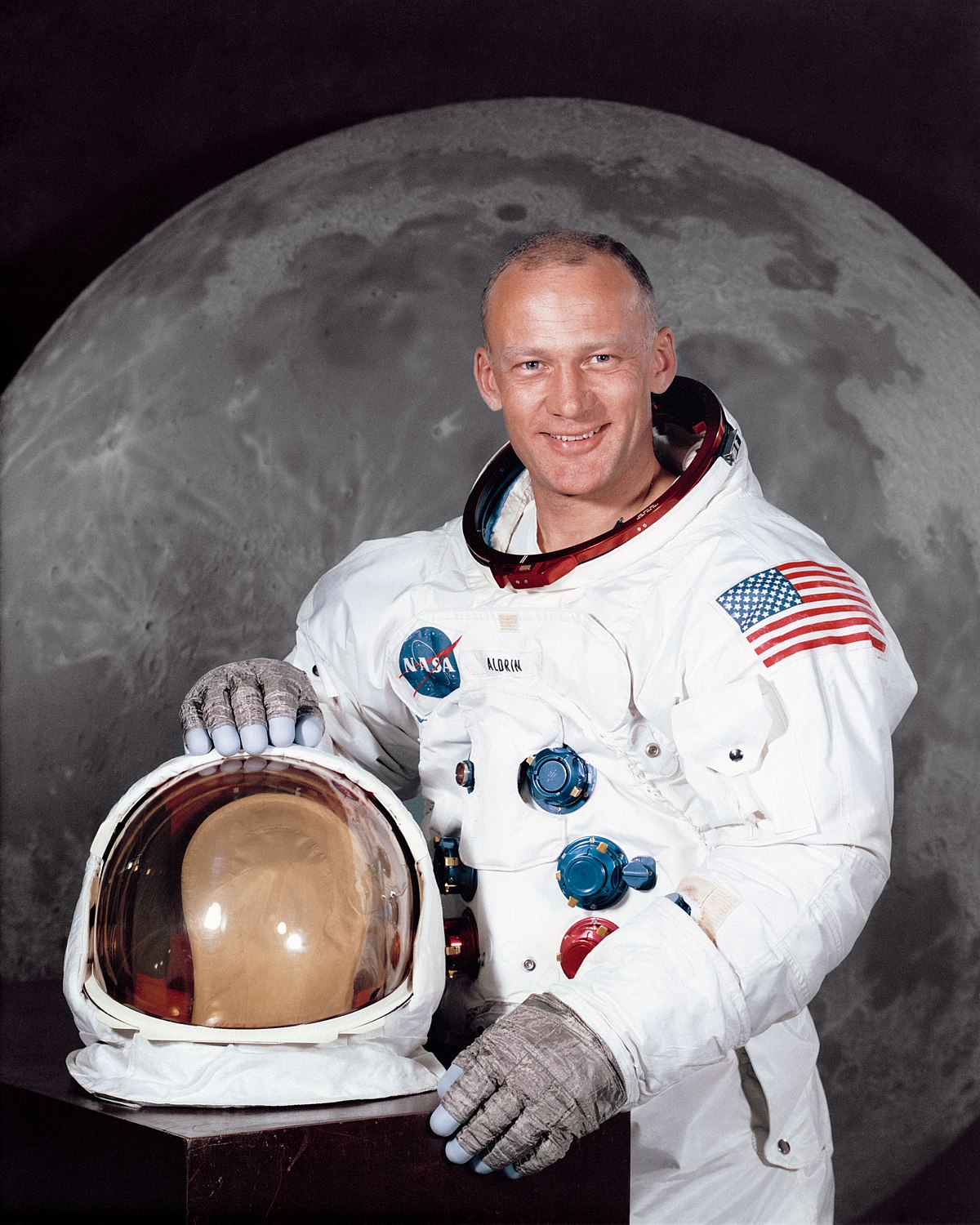
Edwin “Buzz” Aldrin is one of the most iconic figures in the history of space exploration. As the second human to set foot on the moon, Aldrin’s achievements have made him a legendary figure in both American and global history. This article delves into Edwin Aldrin’s age, fame, and life highlights, offering detailed insights and explanations into his journey, accomplishments, and enduring legacy. We will explore his early life, rise to prominence, major milestones, and his influence on space exploration, providing a comprehensive view of one of humanity’s greatest pioneers.
Early Life and Background
Edwin Eugene Aldrin Jr. was born on January 20, 1930, in Montclair, New Jersey. His father, Edwin Eugene Aldrin Sr., was a military aviator and a pioneering influence on Aldrin’s interest in aviation and space. His mother, Marion Moon, had a maiden name that seemed to foreshadow her son’s future lunar journey. Growing up in a family deeply connected to aviation, Aldrin was inspired to pursue a career in the skies.
Education and Early Interests
Aldrin’s early education was marked by academic excellence and a strong interest in aviation. He graduated from Montclair High School in 1947 and went on to attend the U.S. Military Academy at West Point. He graduated third in his class in 1951 with a degree in mechanical engineering. His exceptional academic performance and leadership skills earned him a commission in the United States Air Force.
Military Service and Aviation Career
After West Point, Aldrin began his career as a fighter pilot. He flew 66 combat missions during the Korean War, earning the Distinguished Flying Cross for his bravery. After the war, he served as an instructor at Nellis Air Force Base in Nevada. His experiences as a combat pilot and instructor further fueled his passion for aviation and set the stage for his future endeavors in space exploration.
Rise to Prominence
NASA and the Space Program
In 1963, Aldrin earned a Doctor of Science degree in astronautics from the Massachusetts Institute of Technology (MIT). His thesis on Manned Orbital Rendezvous greatly contributed to NASA’s understanding of the mechanics of spacecraft rendezvous, a critical component of lunar missions. His expertise in this area earned him a place in NASA’s astronaut corps.
Gemini Missions
Aldrin’s first spaceflight was as the pilot of Gemini 12, the final mission of the Gemini program, in November 1966. During this mission, he conducted three successful spacewalks, demonstrating that astronauts could work effectively outside their spacecraft. His pioneering work in extravehicular activity (EVA) proved vital for future space missions and established him as a key figure in NASA’s astronaut corps.
Significant Achievements and Career Highlights
Apollo 11 Mission
Buzz Aldrin’s most famous achievement came with the Apollo 11 mission. On July 20, 1969, Aldrin, along with Neil Armstrong and Michael Collins, made history as part of the first successful manned moon landing. As the Lunar Module Pilot, Aldrin followed Armstrong out of the lunar module “Eagle” to become the second human to walk on the moon. His words, “Beautiful view. Magnificent desolation,” captured the stark beauty of the lunar surface and have since become iconic.
Scientific Contributions
During the Apollo 11 mission, Aldrin conducted several experiments on the lunar surface, including the deployment of the Solar Wind Composition Experiment and the seismic experiment to detect moonquakes. These contributions provided valuable scientific data that enhanced our understanding of the moon and its environment.
Advocacy and Continued Influence
After returning from the moon, Aldrin became an advocate for space exploration and science education. He wrote several books, including his autobiography “Return to Earth” and the science fiction novel “Encounter with Tiber.” He also founded ShareSpace Foundation, a non-profit organization dedicated to promoting space education and inspiring future generations of explorers.
Historical Context and Influence
The Space Race and Cold War Era
To fully appreciate Buzz Aldrin’s impact, it is essential to consider the historical context of the Space Race during the Cold War. The competition between the United States and the Soviet Union to achieve significant milestones in space exploration was a defining feature of the 1960s. The success of Apollo 11 not only demonstrated technological and scientific prowess but also served as a powerful symbol of American ingenuity and determination.
Legacy in Space Exploration
Aldrin’s contributions to space exploration extend beyond his lunar achievements. His work in developing techniques for orbital rendezvous and EVA laid the groundwork for subsequent space missions, including the Space Shuttle program and the International Space Station (ISS). His advocacy for manned missions to Mars reflects his ongoing commitment to advancing human space exploration.
Personal Life and Legacy
Personal Challenges and Resilience
Despite his professional success, Aldrin faced significant personal challenges, including struggles with depression and alcoholism. His candid discussion of these issues in his autobiography “Return to Earth” helped to destigmatize mental health challenges faced by astronauts and other high-performing individuals. His journey of recovery and advocacy for mental health awareness added a personal dimension to his legacy.
Family and Relationships
Aldrin has been married three times and has three children. His personal life has seen its share of ups and downs, but he has always remained committed to his family and his mission to inspire future generations. His close relationship with his children and grandchildren underscores his role as a patriarch who values family bonds.
Continuing Advocacy and Public Engagement
Even into his later years, Aldrin remained an active advocate for space exploration. He frequently appeared at public events, lectures, and in media interviews, sharing his experiences and vision for the future of space travel. His efforts to promote STEM (science, technology, engineering, and mathematics) education have inspired countless young minds to pursue careers in these fields.
Legacy and Continuing Influence
Impact on Future Generations
Buzz Aldrin’s legacy is one of inspiration and achievement. His historic moonwalk continues to captivate and inspire people around the world. His contributions to space exploration have paved the way for future missions, and his advocacy for Mars exploration keeps the dream of human space travel alive.
Honors and Recognitions
Throughout his life, Aldrin has received numerous honors and recognitions for his contributions to space exploration and his public service. These include the Presidential Medal of Freedom, the Congressional Gold Medal, and induction into the International Space Hall of Fame. These accolades reflect his enduring impact and the respect he commands in the scientific and aerospace communities.
Future Endeavors and Vision
Aldrin’s vision for the future includes the human colonization of Mars. He has been a vocal advocate for developing the technology and infrastructure necessary to make human settlement on Mars a reality. His forward-thinking perspective continues to influence space policy and inspire new generations of scientists and explorers.
Conclusion
Edwin “Buzz” Aldrin’s journey from a young boy in New Jersey to one of the most iconic figures in space exploration is a story of determination, innovation, and resilience. His achievements in aviation and space, his contributions to scientific knowledge, and his ongoing advocacy for space exploration and education have left an indelible mark on history.
As we reflect on his life and legacy, it is clear that Buzz Aldrin is not just a historical figure but a living legend whose work continues to inspire and influence. His contributions to space exploration, his advocacy for future missions, and his personal journey of resilience and advocacy for mental health provide valuable lessons for all.
In conclusion, Buzz Aldrin’s life and career offer a testament to the power of human ingenuity and the importance of dreaming big. His story serves as a reminder of what can be achieved through hard work, perseverance, and a passion for exploration. Buzz Aldrin’s legacy will undoubtedly endure, inspiring future generations to reach for the stars and beyond.


