
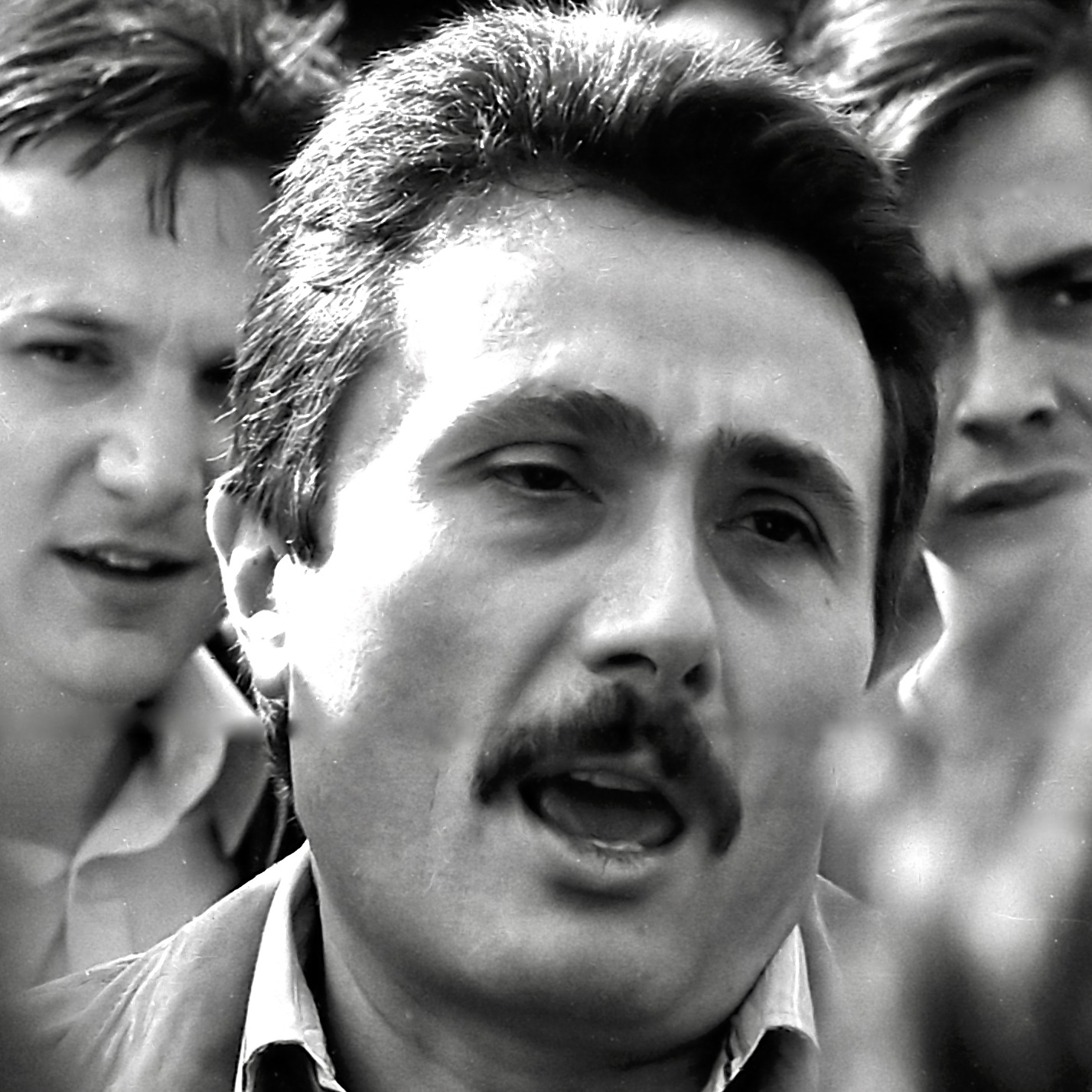
Alberto Arbasino, a luminary in the realms of literature and journalism, was born on January 22, 1930, in Voghera, Italy. His life, which spanned nine decades, saw him emerge as a significant cultural commentator, novelist, essayist, and political figure. This comprehensive exploration of Arbasino’s life delves into his early years, his rise to fame, contributions to literature and journalism, and his enduring legacy.
Early Life and Education
Alberto Arbasino’s early life in Voghera, a town in the Lombardy region of Italy, was characterized by a robust academic background. He pursued a degree in Law at the University of Milan, where he specialized in International Law. This academic foundation laid the groundwork for his analytical approach to writing and his keen insights into societal issues.
Literary Beginnings and Influences
Arbasino’s literary career began in the late 1950s, with his first works published in 1957 under the editorial guidance of the renowned writer Italo Calvino. His early writings were featured in various literary magazines, which eventually culminated in collections such as “Le piccole vacanze” and “L’anonimo lombardo.” These early works showcased his unique narrative style and his ability to weave intricate stories with profound social commentary.
A notable influence on Arbasino’s work was Carlo Emilio Gadda, an Italian novelist and essayist. Arbasino’s admiration for Gadda’s complex and experimental writing style is evident in his own literary endeavors. He explored Gadda’s work extensively in his analyses and essays, such as “L’ingegnere e i poeti: Colloquio con C. E. Gadda” (1963) and “Genius Loci” (1977).
Journalism and Reportage
Arbasino’s career was not confined to fiction. He was also a prolific journalist, contributing to several major Italian newspapers and magazines. His reportage for the weekly magazine “Il Mondo,” where he wrote from cities like Paris and London, was later compiled into books such as “Parigi, o cara” and “Lettere da Londra.” These works are notable for their keen observations and vivid depictions of contemporary European society.
His journalistic pursuits extended to prominent Italian newspapers like “Il Giorno” and “Corriere della Sera.” From 1975, he began a long-standing collaboration with “La Repubblica,” where he penned weekly columns that often criticized and dissected the maladies of Italian society.
Political Involvement
Alberto Arbasino’s engagement with Italian society was not limited to his writing. From 1983 to 1987, he served as a Deputy in the Italian Parliament, elected as an independent candidate for the Italian Republican Party. This period marked a significant intersection of his literary and political activities, as he used his platform to advocate for cultural and societal reforms.
Major Literary Works and Styles
Arbasino’s literary output is marked by a diversity of genres and styles, from novels and essays to poetry and theatrical works. His novel “Fratelli d’Italia,” first published in 1963 and subsequently revised in 1976 and 1993, stands as a cornerstone of his literary achievements. The novel is an exemplary piece of his ability to blend narrative experimentation with incisive social critique.
Arbasino was also a prominent figure in the “Gruppo 63,” an avant-garde literary movement that sought to revolutionize Italian literature through experimental forms and themes. His works often featured long, digressive passages filled with meta-literary and intertextual references, showcasing his sophisticated and playful use of language.
In addition to his novels, Arbasino’s essays, such as “Un paese senza” (1980), offer a profound commentary on the cultural and political state of Italy. His style, often described as expressionist, allowed him to explore and critique the cultural and societal norms of his time.
Theatrical Contributions
Arbasino’s talents extended to the theater, where he worked both as a critic and a director. He directed notable productions such as Giuseppe Verdi’s “La Traviata” in Cairo (1965) and Georges Bizet’s “Carmen” at the Teatro Comunale di Bologna (1967). His engagement with theater further demonstrated his versatility and his ability to engage with a variety of cultural forms.
Personal Life and Later Years
In his personal life, Alberto Arbasino was known for his eclectic interests and his profound knowledge of various cultural fields. His later years saw him continue to write and publish, maintaining a critical eye on the evolving cultural and political landscape of Italy.
Arbasino passed away in Milan on March 22, 2020, at the age of 90. His death marked the end of a prolific career that left an indelible mark on Italian literature and culture.
Legacy and Impact
Alberto Arbasino’s legacy is multifaceted, reflecting his contributions to literature, journalism, and political discourse. He is often regarded as an heir to the Lombard Enlightenment tradition, following in the footsteps of intellectual giants like Giuseppe Parini. His works continue to be studied and appreciated for their innovative style, their critical engagement with societal issues, and their rich intertextuality.
Historical Context and Nuances
Understanding Arbasino’s work requires an appreciation of the broader historical and cultural context in which he wrote. The post-World War II era in Italy was a time of significant social and political upheaval, with rapid industrialization, cultural transformation, and political instability. Arbasino’s writings capture the essence of this turbulent period, offering insights into the complexities of Italian society.
His involvement with the “Gruppo 63” positioned him at the forefront of literary experimentation, as he and his contemporaries sought to break away from traditional forms and explore new modes of expression. This movement was part of a larger international trend towards literary modernism and postmodernism, which challenged established narratives and embraced ambiguity and fragmentation.
Influence on Modern Literature and Journalism
Arbasino’s influence extends beyond his own works to the broader fields of literature and journalism. His innovative use of language and form has inspired subsequent generations of writers, both in Italy and internationally. His ability to blend serious social critique with a playful and often irreverent style has made his work both intellectually stimulating and accessible.
In journalism, Arbasino’s sharp wit and incisive commentary set a high standard for cultural critique. His columns and essays remain relevant as examples of how journalism can engage deeply with cultural and political issues, offering readers not just information but also critical perspectives.
Conclusion
Alberto Arbasino’s life and career are a testament to the power of literature and journalism to engage with and critique society. From his early days as a law student to his rise as a leading cultural commentator, Arbasino’s work reflects a deep commitment to exploring the complexities of human experience and societal norms. His legacy continues to inspire and challenge, reminding us of the enduring power of the written word.
As we reflect on Arbasino’s contributions, it is clear that his influence will continue to resonate in the worlds of literature, journalism, and beyond. His ability to navigate the intersections of culture, politics, and art with both seriousness and humor ensures that his work remains relevant and thought-provoking for future generations.


