
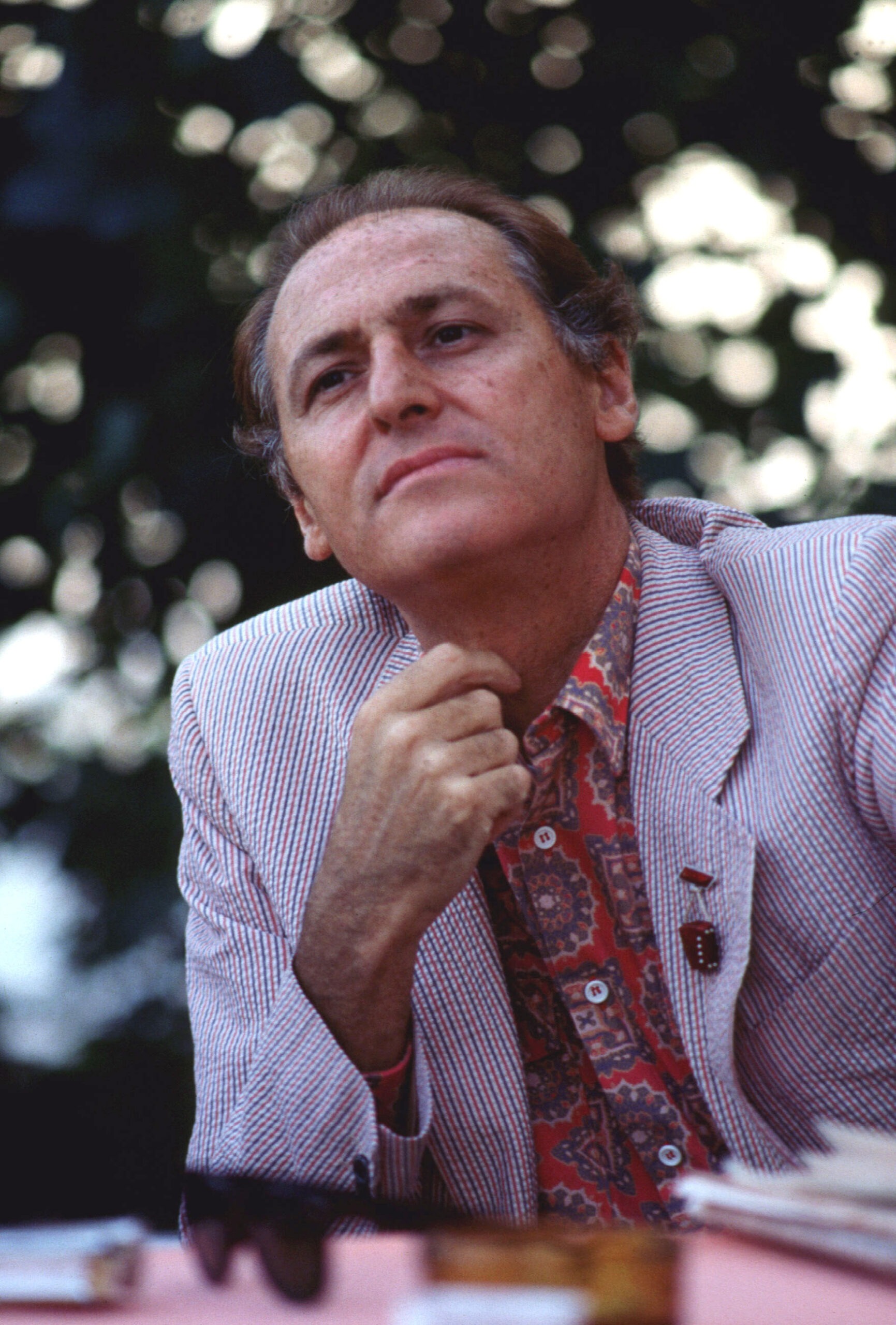
Renzo Arbore, a multifaceted personality in the Italian entertainment industry, has left an indelible mark as a radio and television presenter, musician, actor, and showman. Born Lorenzo Giovanni Arbore on June 24, 1937, in Foggia, Italy, Arbore’s career spans over six decades, during which he has become an iconic figure in Italian culture. This comprehensive exploration of Arbore’s life delves into his early years, rise to fame, contributions to the entertainment industry, and his enduring legacy.
Early Life and Education
Renzo Arbore was born in Foggia, a city in the Apulia region of Italy. Despite his southern roots, Arbore adopted Naples as his cultural and artistic home, even undergoing a symbolic adoption ceremony in the city. He graduated with a degree in Law from the University of Naples Federico II, but his passion for music and entertainment soon led him to pursue a career in the arts.
Musical Beginnings and Early Career
Arbore’s first foray into the music world was with a jazz band in his hometown. His talent and enthusiasm for music were evident early on, and he quickly became a well-known figure in the local jazz scene. His first major musical endeavor was with the “N.U. Orleans Rubbish Band” in 1972, a group that blended jazz and humor. The band, which included Arbore on clarinet, released a 45 RPM record featuring the tracks “She Was Not an Angel” and “The Stage Boy.”
Radio Career and Breakthrough
Renzo Arbore’s career in radio began in the 1960s, a time of significant social and political upheaval in Italy. His innovative approach to radio programming quickly set him apart. He co-hosted several groundbreaking radio shows, including “Bandiera Gialla,” “Alto Gradimento,” and “Radio Anche Noi,” alongside his close collaborator Gianni Boncompagni. These programs were revolutionary, incorporating humor, music, and listener interaction, and they quickly garnered high ratings.
Television Success and Iconic Shows
Arbore’s transition from radio to television was seamless and marked by a series of highly successful programs that redefined Italian television. His first major television show, “Speciale per Voi” (1969), was a groundbreaking music program that provided a platform for artists like Lucio Battisti. The show was notable for its interactive format, where audience members openly criticized and debated with the performers, making it one of Italy’s first talk shows.
In 1976, Arbore created “L’Altra Domenica,” an alternative Sunday show that became a cult favorite. The program featured a mix of comedy sketches, music, and live interactions with the audience. It introduced several future stars of Italian entertainment, including Roberto Benigni, Milly Carlucci, and Nino Frassica.
The 1980s saw Arbore continue his television success with shows like “Quelli della Notte” (1985) and “Indietro Tutta” (1987). “Quelli della Notte” was a late-night variety show that became a cultural phenomenon, known for its improvisational style and satirical humor. “Indietro Tutta” was a satirical take on the commercialization of television, featuring parodies of game shows and commercials.
Music and Film
Renzo Arbore’s talents extended beyond radio and television into the realms of music and film. In 1986, he competed in the Sanremo Music Festival with the song “Il Clarinetto,” which earned him second place. Arbore also ventured into filmmaking, directing and starring in films like “Il Pap’occhio” (1980) and “FF.SS. Cioè… che mi hai portato a fare sopra a Posillipo se non mi vuoi più bene?” (1983). These films, known for their surreal and comedic style, showcased Arbore’s unique creative vision.
In 1991, Arbore founded “L’Orchestra Italiana,” a musical ensemble dedicated to reviving and promoting traditional Neapolitan music. The orchestra achieved international acclaim, performing at prestigious venues such as Radio City Music Hall in New York City.
Later Career and Legacy
Throughout the 1990s and 2000s, Arbore continued to innovate and entertain. He hosted “Il Caso Sanremo” in 1990, a satirical show that explored the history and controversies of the Sanremo Music Festival. In 1996, he hosted “La Giostra,” a 22-hour live broadcast for Rai International.
Arbore’s contributions to television were recognized when he received the title of Cavaliere di Gran Croce dell’Ordine al Merito della Repubblica Italiana from President Sergio Mattarella in early 2022. Despite reducing his television appearances, Arbore remained active in the entertainment industry, occasionally returning to the small screen and participating in various special programs.
Personal Interests and Honors
Renzo Arbore’s influence extends beyond his professional achievements. He is known for his deep appreciation of Italian culture, particularly Neapolitan music, which he has worked tirelessly to preserve and promote. His passion for music and comedy has left a lasting impact on Italian entertainment, influencing generations of performers.
In addition to his professional accolades, Arbore’s personal interests include a love for jazz and a commitment to cultural preservation. His dedication to his craft and his ability to adapt to changing media landscapes have cemented his status as a cultural icon.
Historical Context and Nuances
Renzo Arbore’s career must be understood within the broader context of post-war Italy. The 1960s and 1970s were periods of significant social change, with youth culture and political movements challenging traditional norms. Arbore’s work in radio and television reflected these shifts, as he pushed the boundaries of what was possible in Italian media.
His innovative approach to programming, characterized by humor, satire, and audience engagement, mirrored the growing desire for more interactive and dynamic forms of entertainment. Arbore’s ability to blend traditional Italian cultural elements with modern media techniques made his work resonate with a wide audience.
Influence on Modern Italian Media
Renzo Arbore’s influence on modern Italian media is profound. His pioneering work in radio and television set new standards for creativity and interactivity. Programs like “Quelli della Notte” and “Indietro Tutta” are still remembered and celebrated for their innovative formats and comedic brilliance.
Arbore’s emphasis on live performance and improvisation paved the way for future generations of Italian entertainers. His ability to discover and nurture new talent has left a lasting legacy, with many of his protégés going on to achieve significant success in their own right.
Conclusion
Renzo Arbore’s life and career are a testament to the power of creativity, innovation, and passion. From his early days as a jazz musician in Foggia to his status as a beloved television and radio personality, Arbore has continually pushed the boundaries of Italian entertainment. His work has not only entertained but also enriched Italian culture, preserving traditional music and introducing new forms of comedy and satire.
As Renzo Arbore continues to inspire and influence, his legacy remains a vibrant part of Italy’s cultural landscape. His contributions to music, television, and film have left an indelible mark, ensuring that his work will be celebrated for generations to come.


