
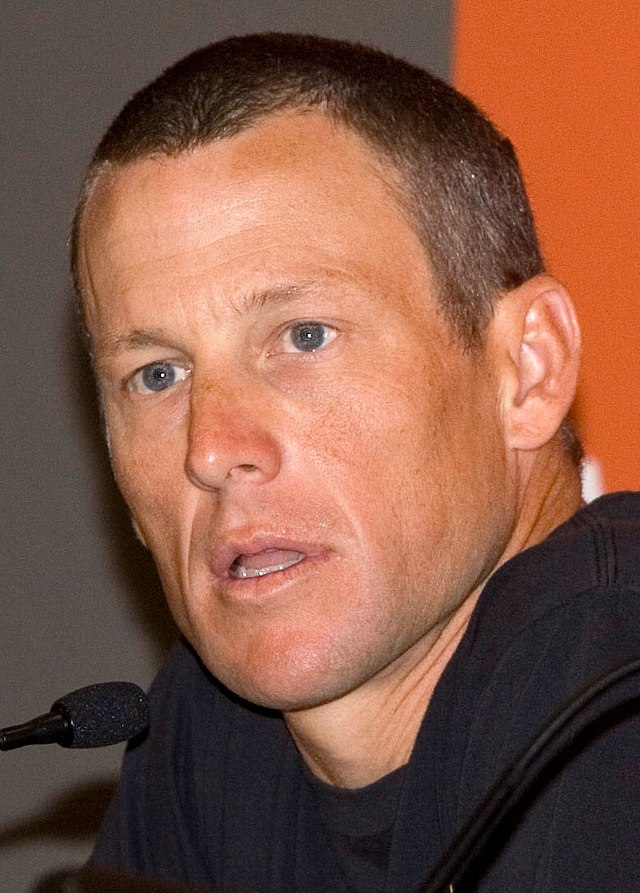
Lance Armstrong is a name synonymous with both triumph and controversy in the world of sports. This article explores the life of Lance Armstrong, detailing his age, rise to fame, major achievements, and the subsequent fall from grace. It provides a comprehensive look at his journey, touching on the historical context and impact of his career.
Early Life and Athletic Beginnings
Lance Edward Armstrong was born on September 18, 1971, in Plano, Texas. Raised by his mother, Linda, after his parents divorced, Armstrong displayed an early interest in athletics. By the age of 13, he was already competing in triathlons, a grueling sport that combines swimming, cycling, and running. His dedication and talent in these early years set the stage for his future career.
At 16, Armstrong decided to pursue a professional athletic career. He joined the U.S. national cycling team and began training in Colorado Springs. His early promise was evident, and he quickly moved up the ranks, competing in junior world championships and winning the national amateur championship in 1991.
Rise to Professional Cycling
Armstrong turned professional in 1992 and soon made his mark in the competitive world of cycling. His first major victory came in 1993 when he won the UCI Road World Championship. He followed this with several notable performances, including stage wins in the Tour de France and victories in prestigious races like the Tour du Pont.
By 1996, Armstrong was considered one of the top cyclists in the world. However, his career faced an unexpected and dramatic challenge that year when he was diagnosed with advanced testicular cancer, which had spread to his lungs and brain. The prognosis was grim, and doctors estimated his chances of survival at less than 50%.
Battle with Cancer and Return to Cycling
Armstrong’s battle with cancer is a story of resilience and determination. He underwent aggressive chemotherapy and surgery, refusing to let the disease end his career. Remarkably, he was declared cancer-free in 1997 and began the arduous process of returning to competitive cycling.
In 1998, Armstrong joined the U.S. Postal Service Pro Cycling Team. His comeback was slow and challenging, but his determination never wavered. By 1999, he was ready to compete at the highest level again. That year, he won his first Tour de France, a victory that was both a personal triumph and a testament to his incredible resilience.
Dominance in the Tour de France
Armstrong’s victory in the 1999 Tour de France was just the beginning. Over the next six years, he dominated the race, winning an unprecedented seven consecutive titles from 1999 to 2005. His performances were a blend of tactical brilliance, physical endurance, and sheer determination.
Armstrong’s dominance in the Tour de France made him a global sports icon. He became a symbol of hope and inspiration for cancer survivors and athletes alike. His success on the bike was complemented by his work off it, as he established the Lance Armstrong Foundation (now Livestrong) to support cancer patients and survivors.
Controversy and Downfall
Despite his success, Armstrong’s career was dogged by persistent allegations of doping. He consistently denied using performance-enhancing drugs and even sued some of his accusers for defamation. However, the allegations continued to mount, and in 2012, the United States Anti-Doping Agency (USADA) launched a detailed investigation.
The USADA report, released in August 2012, presented overwhelming evidence that Armstrong had used performance-enhancing drugs throughout his career. He was stripped of his seven Tour de France titles and banned from professional cycling for life. The fallout was severe, with sponsors dropping him, and Armstrong stepping down as chairman of Livestrong.
Life After Cycling
After his fall from grace, Armstrong faced significant personal and professional challenges. He publicly admitted to using performance-enhancing drugs in a 2013 interview with Oprah Winfrey, hoping to rebuild some of his shattered reputation. However, the admission did little to restore his standing in the cycling community or with the public.
Despite the controversies, Armstrong remained active in various ventures. He invested in several businesses and continued to be involved in charitable activities, albeit more discreetly. His story remains a complex mix of triumph, scandal, and resilience.
Historical Context and Impact
Lance Armstrong’s career must be viewed within the broader context of professional cycling and sports culture during his era. The late 1990s and early 2000s were rife with doping scandals in cycling, with many top riders eventually admitting to or being caught using banned substances. Armstrong’s case was one of the most high-profile, but it was part of a larger pattern of widespread doping in the sport.
The impact of Armstrong’s story is multifaceted. On one hand, his victories and battle with cancer inspired millions, raising awareness and funds for cancer research. On the other hand, his doping scandal highlighted the deep issues within professional cycling and led to significant changes in how the sport is regulated and monitored.
Conclusion
Lance Armstrong’s life and career are a study in contrasts. His rise from a young triathlete in Texas to a global cycling superstar is a tale of extraordinary talent and determination. His battle with cancer and subsequent return to the pinnacle of his sport showcased his resilience and strength.
However, his legacy is forever tainted by the doping scandal that ultimately brought him down. Armstrong’s story serves as a cautionary tale about the pressures and temptations of professional sports and the importance of integrity and honesty.
In the end, Lance Armstrong remains a significant figure in the history of sports, both for his incredible achievements and the controversies that surrounded him. His life is a reminder of the complexities of human nature and the ongoing struggle between ambition and ethics.


