
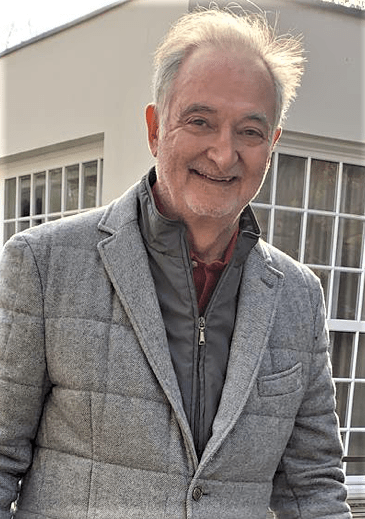
Jacques Attali, a prolific French economist, writer, and political advisor, has left an indelible mark on various fields, from economics to literature. Known for his intellectual prowess and diverse contributions, Attali’s life and work offer a fascinating insight into the complexities of contemporary global issues. This comprehensive overview will explore Jacques Attali’s age, rise to fame, significant achievements, and the nuances of his multifaceted career.
Early Life and Education
Birth and Family Background
Jacques Attali was born on November 1, 1943, in Algiers, Algeria, during the period of French colonial rule. His family was of Jewish descent, and his father, Simon Attali, was a self-made man who founded a perfumery in Algiers. In 1956, due to the Algerian War of Independence, the family relocated to Paris, France, seeking a more stable and prosperous environment.
Academic Achievements
Attali’s academic journey is marked by a series of prestigious institutions and accolades. He attended the Lycée Janson de Sailly and the Lycée Louis-le-Grand, two of the most renowned high schools in Paris. He went on to study at the École Polytechnique, where he graduated in 1963. Attali continued his education at the École des Mines, the Institut d’Études Politiques de Paris (Sciences Po), and the École Nationale d’Administration (ENA), where he was part of the class of 1970. These institutions are known for producing many of France’s elite leaders and intellectuals.
Early Career and Rise to Fame
Economic Advisor to François Mitterrand
Jacques Attali’s career took a significant turn when he became an advisor to François Mitterrand, the first Socialist President of France, in 1981. As a special advisor, Attali was instrumental in shaping economic and social policies during Mitterrand’s presidency. He played a key role in the implementation of several reforms, including the nationalization of industries and the introduction of the 39-hour workweek.
Establishment of the European Bank for Reconstruction and Development
In 1991, Jacques Attali was appointed as the first president of the European Bank for Reconstruction and Development (EBRD). The EBRD was established to aid former Eastern Bloc countries in their transition to market economies after the fall of the Berlin Wall. Under Attali’s leadership, the bank focused on fostering economic growth, privatization, and the development of democratic institutions in these transitioning nations. His tenure, though marked by some controversies, was pivotal in shaping the post-Cold War economic landscape of Europe.
Literary and Intellectual Contributions
Prolific Writing Career
Jacques Attali is not only an economist but also a prolific writer. He has authored over 80 books, covering a wide range of subjects, including economics, history, sociology, and music. Some of his most notable works include “Noise: The Political Economy of Music,” “A Brief History of the Future,” and “Cannibals and Kings.” His writings often explore the intersection of technology, society, and economy, offering predictions and insights into future trends.
Thought Leadership and Predictions
Attali is known for his forward-thinking and often prescient predictions about global trends. In “A Brief History of the Future,” he outlines potential developments in technology, economics, and society over the coming decades. His ability to foresee future challenges and opportunities has made him a respected figure in the field of futurology.
Political and Economic Influence
Advisor and Policy Maker
Beyond his role as an advisor to Mitterrand, Jacques Attali has continued to influence policy and economic thought globally. He has advised various international organizations, governments, and private companies on economic strategy and development. His insights have been sought after in contexts ranging from the European Union to emerging markets in Asia and Africa.
Role in French Politics
In addition to his international influence, Attali has remained an influential figure in French politics. He has been involved in numerous think tanks and policy advisory groups, including the Commission for the Liberation of French Growth, which he chaired in 2007. This commission was tasked with proposing reforms to boost economic growth in France, reflecting Attali’s continued commitment to shaping economic policy.
Humanitarian and Social Initiatives
Founder of PlaNet Finance
Jacques Attali’s contributions extend beyond economics and politics to the realm of social entrepreneurship. In 1998, he founded PlaNet Finance, a non-profit organization dedicated to promoting microfinance and supporting small businesses in developing countries. The organization, now known as Positive Planet, aims to alleviate poverty by providing financial services and support to underserved communities.
Advocacy for Global Health
Attali has also been an advocate for global health issues. He has emphasized the importance of addressing health disparities and promoting access to healthcare worldwide. His involvement in various initiatives reflects his belief in the interconnectedness of economic development and public health.
Challenges and Controversies
Tenure at the EBRD
Jacques Attali’s tenure at the EBRD was not without controversy. His management style and the bank’s initial focus drew criticism from some quarters. Attali was eventually asked to resign in 1993 amid concerns about the bank’s expenditures and strategic direction. Despite this setback, his work at the EBRD had a lasting impact on the economic transformation of Eastern Europe.
Criticisms and Public Perception
As a public intellectual and advisor, Attali has faced criticism for some of his views and policy recommendations. Critics have sometimes viewed his predictions as overly ambitious or speculative. Nonetheless, his contributions to economic thought and public policy remain highly regarded, and his work continues to spark debate and discussion.
Personal Life and Interests
Family and Personal Background
Jacques Attali has maintained a relatively private personal life. He is known to be a devoted family man, balancing his professional responsibilities with his personal commitments. His twin brother, Bernard Attali, is also a prominent figure in the French business world, having served as the CEO of Air France.
Passion for Music and Arts
Attali’s interests extend beyond economics and politics to the world of music and the arts. He is an accomplished pianist and has a deep appreciation for classical music. His book “Noise: The Political Economy of Music” explores the relationship between music and society, highlighting his interdisciplinary approach to intellectual inquiry.
Legacy and Continuing Influence
Contributions to Economic Thought
Jacques Attali’s contributions to economic thought and policy have left a lasting legacy. His writings and advisory work have influenced generations of economists, policymakers, and business leaders. His ability to integrate insights from various disciplines has enriched the field of economics and expanded its scope.
Inspiration for Future Leaders
Attali’s life and work serve as an inspiration for future leaders and thinkers. His commitment to social and economic justice, his intellectual curiosity, and his dedication to public service provide a model for those seeking to make a positive impact on the world. His legacy continues to inspire new approaches to addressing global challenges.
Conclusion
Jacques Attali’s multifaceted career as an economist, writer, and advisor has made him a prominent figure in contemporary intellectual and political life. From his early days as an advisor to François Mitterrand to his role in founding PlaNet Finance, Attali’s contributions have shaped economic policy, fostered social entrepreneurship, and enriched public discourse. His writings, predictions, and policy recommendations continue to influence and inspire, reflecting his enduring impact on global thought and action.
As we look to the future, Jacques Attali’s legacy reminds us of the importance of interdisciplinary thinking, the value of foresight, and the power of dedicated public service. His life story is a testament to the potential of individuals to drive change and make a meaningful difference in the world.


