
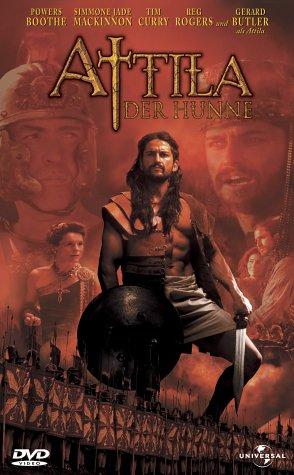
Attila the Hun, a name that has echoed through the annals of history, is synonymous with fearsome leadership and unparalleled military prowess. Known as the “Scourge of God,” Attila’s reign as the ruler of the Huns marked one of the most tumultuous periods in the history of the Roman Empire. This comprehensive exploration delves into Attila’s early life, rise to power, significant achievements, and lasting legacy, providing detailed insights and historical context to understand this iconic figure.
Early Life and Background
Birth and Family Heritage
Attila was born around 406 AD into the ruling family of the Huns, a nomadic tribe from Central Asia. His father, Mundzuk, was a notable chieftain, and his family had long been influential within the tribal confederation. The Huns were known for their formidable cavalry and archery skills, which played a crucial role in their military successes.
Childhood and Early Influences
Attila’s upbringing was steeped in the harsh realities of nomadic life and the constant warfare that characterized the existence of the Huns. He was trained in the arts of war from a young age, learning horsemanship, archery, and the tactical maneuvers that would later make him a formidable leader. The death of his father and the subsequent power struggles within the tribe shaped Attila’s early years and prepared him for leadership.
Rise to Power
Early Military Campaigns
Attila first came to prominence in the 420s and 430s as he participated in several military campaigns alongside his brother Bleda. Together, they co-ruled the Huns after the death of their uncle, Rugila, in 434 AD. The early years of their joint rule were marked by successful raids and negotiations with the Eastern Roman Empire, extracting tribute and establishing the Huns as a dominant force in Europe.
Sole Ruler of the Huns
Around 445 AD, Bleda died under mysterious circumstances, and Attila became the sole ruler of the Huns. While some sources suggest that Attila may have orchestrated his brother’s death, this remains a matter of historical debate. As the undisputed leader, Attila embarked on an ambitious campaign to expand his empire and consolidate his power.
Military Conquests and Strategies
Campaigns Against the Eastern Roman Empire
One of Attila’s most significant military achievements was his campaign against the Eastern Roman Empire. In 447 AD, he launched a massive invasion into the Balkans, devastating cities and forcing Emperor Theodosius II to sue for peace. The Treaty of Margus, which resulted from these negotiations, required the Romans to pay a hefty annual tribute to the Huns, further enhancing Attila’s wealth and power.
Invasion of the Western Roman Empire
Attila’s ambitions were not limited to the Eastern Empire. In 451 AD, he turned his attention to the Western Roman Empire, launching a campaign into Gaul (modern-day France). The Huns’ advance was met with fierce resistance from a coalition of Roman and Visigothic forces led by General Flavius Aetius. The Battle of the Catalaunian Plains, also known as the Battle of Châlons, was one of the bloodiest conflicts of the period. Although the battle was inconclusive, it marked a significant halt to Attila’s westward expansion.
Attack on Italy
In 452 AD, Attila invaded Italy, sacking several cities and causing widespread devastation. His approach to Rome was halted by a delegation led by Pope Leo I, who reportedly convinced Attila to turn back, though the exact reasons remain unclear. Some accounts suggest that a combination of logistical challenges, disease, and the threat of a counterattack influenced Attila’s decision to retreat.
Personal Life and Characteristics
Leadership Style
Attila was known for his ruthless leadership style and strategic acumen. He commanded absolute loyalty from his followers and instilled fear in his enemies. His ability to unite the diverse tribes under his rule and lead them to numerous victories is a testament to his exceptional leadership skills.
Personal Traits
Despite his fearsome reputation, historical accounts suggest that Attila was also a shrewd negotiator and diplomat. He maintained a network of spies and informants, which provided him with valuable intelligence about his enemies. Attila’s ability to balance intimidation with strategic alliances was key to his success.
Family and Succession
Attila had several wives and children, though historical records about his family are sparse. His sons, including Ellac, Dengizich, and Ernak, played roles in the later years of the Hunnic Empire. After Attila’s death, internal strife and power struggles among his sons contributed to the eventual decline of the Hunnic Empire.
Death and Legacy
Mysterious Death
Attila died in 453 AD under circumstances that remain a subject of speculation. According to one account, he died on his wedding night to a young woman named Ildico, possibly due to a severe nosebleed or internal hemorrhage. Other theories suggest assassination or poisoning, but no definitive cause has been established.
Impact on the Roman Empire
Attila’s death marked the beginning of the end for the Hunnic Empire. Without his strong leadership, the confederation of tribes began to fracture. The subsequent defeats in battles against the Romans and other tribes further weakened the Huns’ power. However, Attila’s campaigns had already inflicted significant damage on the Roman Empire, accelerating its decline and contributing to the eventual fall of the Western Roman Empire in 476 AD.
Historical and Cultural Legacy
Attila’s legacy has endured through the centuries, capturing the imagination of historians, writers, and artists. In medieval European folklore, he was often depicted as a barbarian king and a symbol of the dangers facing the civilized world. In modern times, Attila’s life has been the subject of numerous books, films, and academic studies, reflecting his lasting impact on history.
Attila in Popular Culture
Attila’s larger-than-life persona has made him a popular figure in various forms of media. He has been portrayed in literature, opera, and film, often emphasizing his role as a fearsome conqueror. Works such as “The Scourge of God” and Giuseppe Verdi’s opera “Attila” have cemented his place in cultural history.
Nuances and Historical Context
The Hunnic Empire and its Structure
Understanding Attila’s impact requires a closer look at the structure of the Hunnic Empire. The Huns were a confederation of tribes with a flexible and dynamic social organization. Unlike the more rigidly structured Roman Empire, the Hunnic leadership relied on a combination of kinship ties, military prowess, and strategic marriages to maintain cohesion and control.
The Role of the Huns in the Migration Period
The period of Attila’s reign coincided with the Migration Period, also known as the Barbarian Invasions, which saw numerous tribes and peoples moving across Europe. The Huns played a significant role in this period, both as instigators of migration and as a force that shaped the geopolitical landscape of Europe. Attila’s campaigns against the Romans and other tribes were part of a broader context of upheaval and transformation.
Military Tactics and Innovations
Attila’s success on the battlefield was partly due to the Huns’ innovative military tactics. Their use of mounted archers, rapid maneuvers, and psychological warfare gave them a distinct advantage over their enemies. The Huns’ ability to strike quickly and retreat before a counterattack could be organized made them a formidable adversary.
Personal and Psychological Aspects
Attila’s Personality
Historical sources paint a complex picture of Attila’s personality. He was described as both a ruthless warrior and a wise leader. His ability to inspire loyalty among his followers and fear among his enemies speaks to his charismatic and strategic nature. Attila’s personal traits, including his decisiveness and adaptability, were crucial to his success.
Psychological Warfare
Attila was adept at using psychological tactics to intimidate his enemies. His reputation as the “Scourge of God” was deliberately cultivated to create fear and demoralize opposing forces. The use of such tactics was a key component of his strategy, allowing him to achieve victories with minimal direct confrontation.
Conclusion
Attila the Hun’s life and legacy are a testament to the complexities of leadership, warfare, and cultural influence. From his early years in a nomadic tribe to his rise as one of history’s most feared conquerors, Attila’s story is rich with intrigue, strategy, and impact. His campaigns against the Roman Empire reshaped the geopolitical landscape of Europe, leaving a legacy that endures to this day.
Attila’s death marked the end of an era, but his influence continues to be felt in historical and cultural narratives. His life serves as a powerful reminder of the enduring human themes of ambition, power, and the quest for legacy. As we continue to explore and understand the past, Attila the Hun remains a figure of fascination and significance, illustrating the profound ways in which individual leaders can shape the course of history.


