
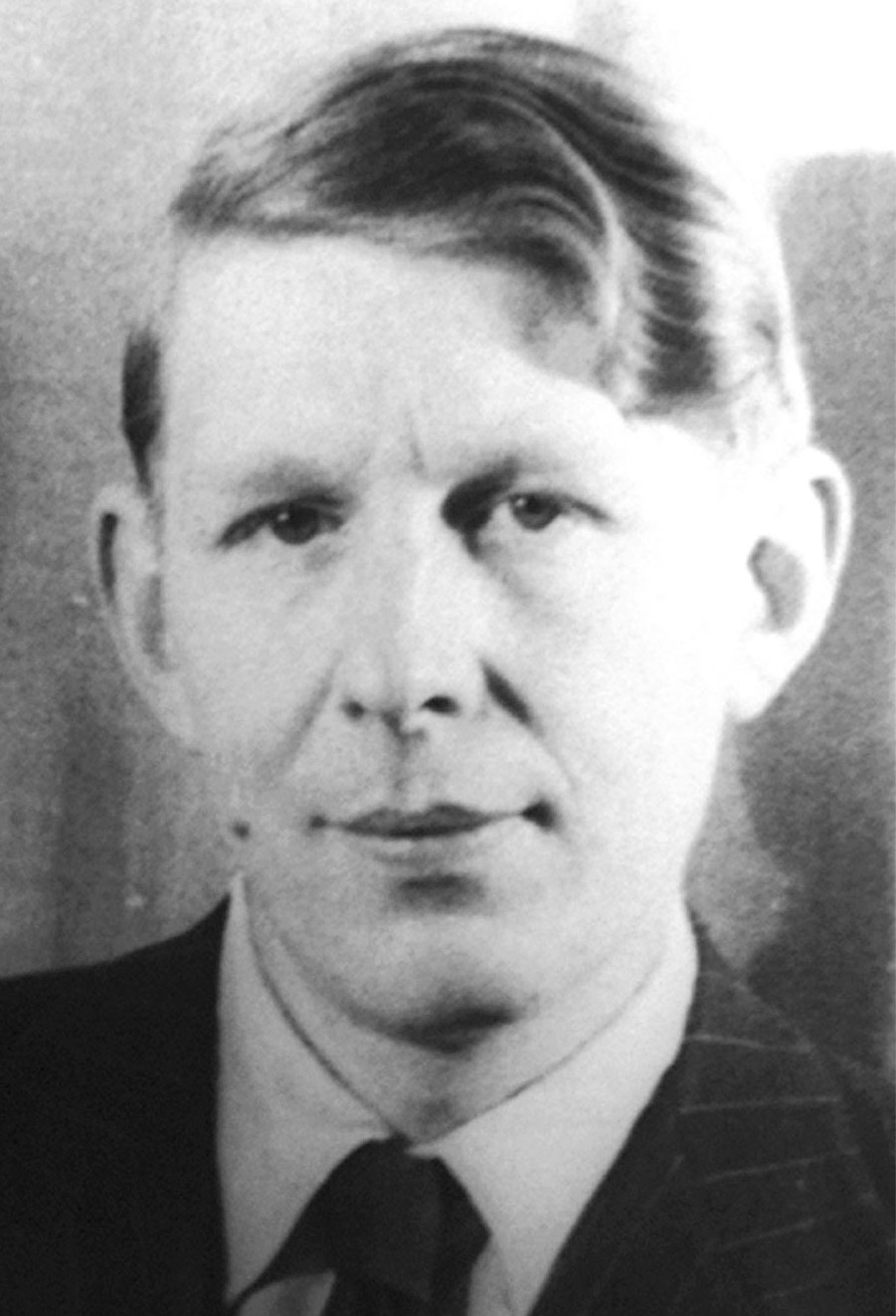
Wystan Hugh Auden, known as W.H. Auden, was a prolific poet, playwright, and essayist whose works have left an indelible mark on 20th-century literature. His profound influence on modern poetry, his exploration of complex themes, and his distinctive voice have made him one of the most revered poets of his time. This comprehensive exploration delves into Auden’s early life, rise to fame, significant achievements, and the nuances of his literary career, providing detailed insights and historical context to understand this literary giant.
Early Life and Education
Birth and Family Background
W.H. Auden was born on February 21, 1907, in York, England. He was the youngest of three sons born to George Augustus Auden, a distinguished physician, and Constance Rosalie Bicknell Auden, a trained nurse. The Auden family was well-educated and cultivated an environment that valued intellectual pursuits, literature, and the arts, which significantly influenced young Wystan’s development.
Childhood and Early Influences
Auden’s early years were spent in the industrial town of Birmingham, where his father served as the Medical Officer of Health. This setting exposed Auden to the stark realities of urban life, which would later influence his poetry. His parents’ interests in literature, science, and music nurtured his early intellectual growth. By the age of eight, Auden had developed a keen interest in language and poetry, writing his first verses.
Education and Literary Beginnings
Auden attended St. Edmund’s School in Surrey and later Gresham’s School in Norfolk, where he excelled in English and Latin. It was during his time at Gresham’s that Auden met Christopher Isherwood, who would become a lifelong friend and literary collaborator. In 1925, Auden entered Christ Church, Oxford, where he studied English literature. At Oxford, he became part of a group of young poets, including Stephen Spender and Cecil Day-Lewis, who would later be known as the “Auden Group.”
Rise to Fame
Early Works and Recognition
Auden’s early work was characterized by its innovative use of language and its exploration of contemporary issues. His first collection, “Poems” (1930), was published with the help of T.S. Eliot, who recognized Auden’s talent. The collection established Auden as a major new voice in English poetry, noted for its technical mastery and engagement with social and political themes.
Political and Social Engagement
The 1930s were a period of significant political and social upheaval, and Auden’s work reflected these times. He traveled to Spain during the Spanish Civil War and later to China with Isherwood, experiences that influenced his poetry and prose. Auden’s work during this period, including “Spain” (1937) and the documentary film “The Spanish Earth,” showcased his commitment to social justice and his concern for the human condition.
Transition to America
In 1939, Auden moved to the United States, a decision that marked a turning point in his career. His emigration coincided with the outbreak of World War II, and his work began to reflect his new environment and the global conflict. In America, Auden continued to write prolifically, producing some of his most significant works, including “The Double Man” (1941) and “For the Time Being” (1944).
Major Works and Literary Contributions
“The Age of Anxiety”
One of Auden’s most acclaimed works, “The Age of Anxiety: A Baroque Eclogue” (1947), won the Pulitzer Prize for Poetry in 1948. The long poem explores the existential crises of four characters in a New York bar, reflecting the broader anxieties of post-war society. Its innovative structure and deep psychological insights solidified Auden’s reputation as a leading poet of his generation.
“Funeral Blues”
“Funeral Blues,” also known as “Stop all the clocks,” is one of Auden’s most famous poems. Originally written as a satirical piece for his play “The Ascent of F6,” the poem gained widespread recognition for its poignant expression of grief and loss. It has been frequently anthologized and popularized by its inclusion in the film “Four Weddings and a Funeral.”
“September 1, 1939”
Auden’s poem “September 1, 1939,” written on the eve of World War II, is one of his most powerful and enduring works. The poem reflects on the political and social turmoil of the time and expresses a profound sense of disillusionment and hope. Its opening lines, “I sit in one of the dives / On Fifty-second Street,” have become iconic, capturing the mood of an era on the brink of conflict.
“The Sea and the Mirror”
Auden’s long poem “The Sea and the Mirror” (1944) is a meditation on Shakespeare’s “The Tempest.” Through a series of monologues and reflections, Auden explores themes of art, creativity, and the human condition. The work is considered one of his most ambitious and intellectually challenging pieces, showcasing his depth as a poet and thinker.
Personal Life and Relationships
Relationships and Sexuality
W.H. Auden’s personal life was marked by complex relationships and his evolving understanding of his own sexuality. He had several significant relationships with men, including Chester Kallman, who became his lifelong companion and collaborator. Auden’s sexuality was a central aspect of his identity and influenced much of his work, though it was not always openly discussed during his lifetime.
Religious Beliefs
Auden’s religious beliefs underwent significant changes throughout his life. Raised in a nominally Anglican family, he experienced periods of doubt and agnosticism. In the late 1930s, however, he experienced a religious awakening and returned to the Anglican faith. This spiritual journey deeply influenced his later works, infusing them with themes of faith, redemption, and human fallibility.
Legacy and Influence
Impact on Modern Poetry
W.H. Auden’s influence on modern poetry is profound and far-reaching. His innovative use of language, formal experimentation, and engagement with contemporary issues have inspired generations of poets. Auden’s work has been praised for its intellectual rigor, emotional depth, and technical mastery, securing his place as one of the 20th century’s most important poets.
Honors and Awards
Throughout his career, Auden received numerous honors and awards, including the Pulitzer Prize for Poetry, the Bollingen Prize, and the National Book Award. His work continues to be celebrated and studied, and his influence is evident in the writings of many contemporary poets.
Continued Relevance
Auden’s poetry remains relevant today, resonating with readers for its exploration of universal themes such as love, loss, and the search for meaning. His ability to capture the complexities of the human experience ensures that his work continues to be read and appreciated by new generations.
Nuances and Historical Context
The Auden Generation
Auden was part of a group of writers and poets known as the “Auden Generation,” which included figures like Stephen Spender, Cecil Day-Lewis, and Louis MacNeice. This group was characterized by their shared commitment to addressing the political and social issues of their time through literature. Their works collectively reflect the intellectual and cultural currents of the 1930s and 1940s.
Political and Social Engagement
Auden’s engagement with political and social issues was a defining feature of his work. He was deeply influenced by the events of his time, including the Great Depression, the rise of fascism, and World War II. His poetry often reflects his concerns with social justice, human rights, and the moral responsibilities of individuals and societies.
The Role of Poetry in Society
Auden believed in the power of poetry to address and reflect societal issues. His work often blurs the line between the personal and the political, suggesting that poetry can be a vehicle for social change. This belief in the social function of poetry was a driving force behind much of his writing and has influenced subsequent generations of poets and writers.
Challenges and Controversies
Public and Critical Reception
While Auden’s work was widely celebrated, it also faced criticism and controversy. Some critics accused him of being overly intellectual and detached, while others questioned his political commitments and the sincerity of his engagement with social issues. Despite these criticisms, Auden’s work has endured, and his contributions to literature are widely recognized and appreciated.
Personal Struggles
Auden’s personal life was marked by struggles with his identity, relationships, and religious beliefs. His poetry often reflects these internal conflicts, offering a window into his complex inner world. These struggles, however, also contributed to the depth and richness of his work, providing a foundation for his exploration of human nature and the search for meaning.
Conclusion
W.H. Auden’s life and work stand as a testament to the power of poetry to capture the human experience and reflect the complexities of the world. From his early years in England to his rise as one of the most influential poets of the 20th century, Auden’s journey is marked by intellectual rigor, artistic innovation, and a deep engagement with the social and political issues of his time.
Auden’s legacy continues to inspire and challenge readers and writers alike. His contributions to modern poetry, his exploration of profound themes, and his distinctive voice ensure that his work remains relevant and influential. As we continue to explore and appreciate the richness of his poetry, W.H. Auden’s place in the literary canon is secure, and his impact on literature and society endures.


