
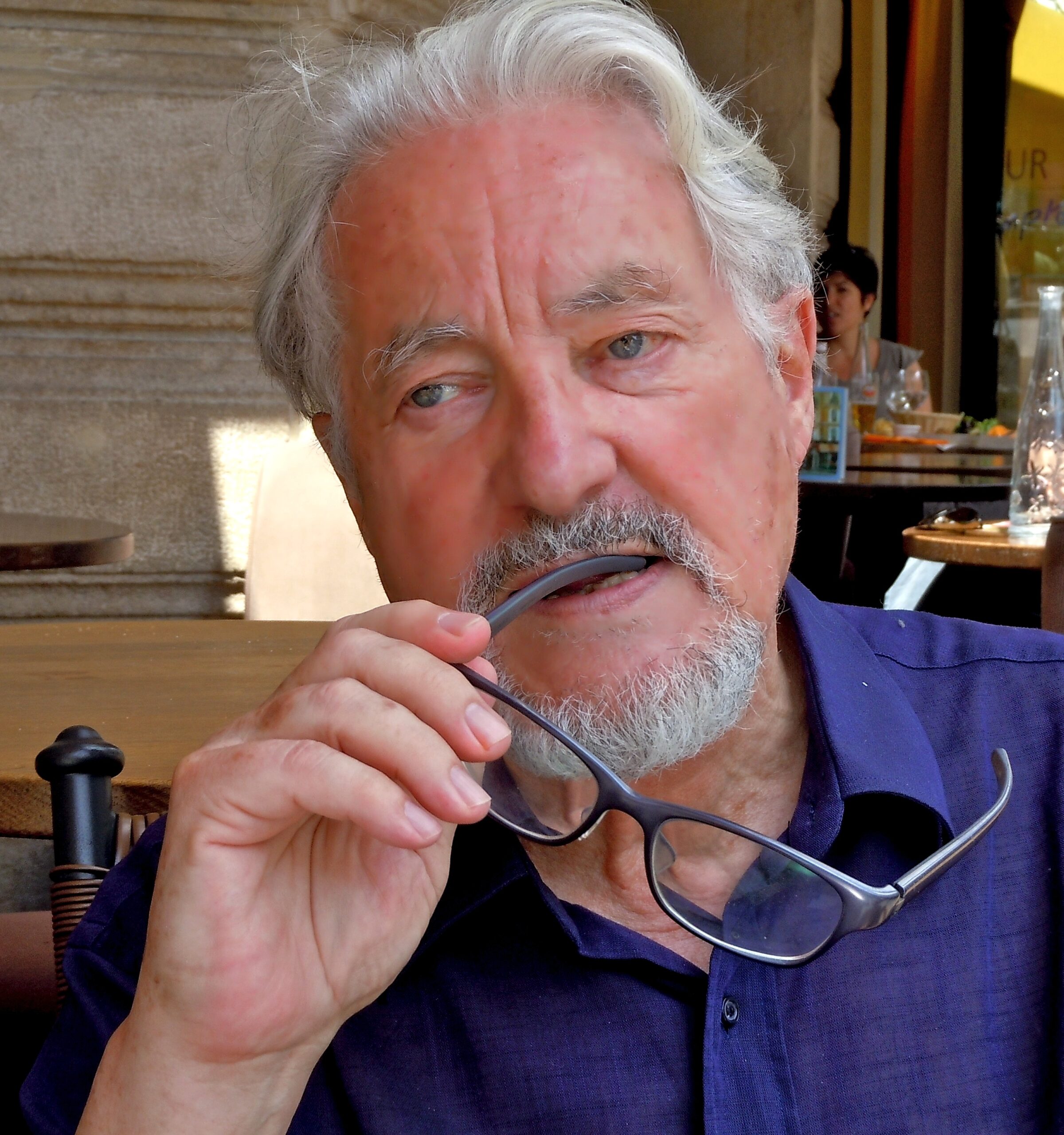
Marc Augé, a prominent French anthropologist and intellectual, is widely recognized for his influential contributions to the fields of anthropology and urban studies. His concepts of “non-places” and “supermodernity” have profoundly impacted contemporary thought on the nature of modern spaces and societies. This comprehensive exploration delves into Marc Augé’s early life, rise to fame, significant achievements, and the nuances of his career, providing detailed insights and historical context to understand this influential figure.
Early Life and Education
Birth and Family Heritage
Marc Augé was born on September 2, 1935, in Poitiers, France. His early life was marked by a deep engagement with literature and philosophy, interests that were nurtured by his family. Growing up in post-war France, Augé was influenced by the intellectual climate of the time, which emphasized existentialism, structuralism, and other philosophical movements.
Childhood and Early Influences
Augé’s fascination with culture and human behavior began at a young age. He was particularly drawn to the works of French intellectuals such as Jean-Paul Sartre, Claude Lévi-Strauss, and Michel Foucault. These early influences set the stage for his future career in anthropology. His education at prestigious institutions like the Lycée Henri-IV in Paris further honed his intellectual interests.
Academic Journey
Marc Augé pursued higher education at the École Normale Supérieure, where he studied philosophy and literature. He later shifted his focus to anthropology, earning his doctorate in ethnology from the University of Paris. His academic journey was marked by rigorous scholarship and a deep commitment to understanding the complexities of human societies.
Rise to Fame
Early Career and Fieldwork
Augé’s early career was characterized by extensive fieldwork in West Africa, particularly in Ivory Coast and Togo. His research focused on the religious practices and social structures of these regions, providing valuable insights into the dynamics of African societies. His fieldwork experiences deeply influenced his theoretical perspectives and contributed to his rise as a respected anthropologist.
Key Publications and Theoretical Contributions
Marc Augé’s rise to fame was significantly bolstered by his seminal works that introduced groundbreaking concepts to anthropology and urban studies. His book “Non-Places: Introduction to an Anthropology of Supermodernity” (1992) is considered a cornerstone of his intellectual legacy. In this work, Augé explores the idea of non-places—transient spaces like airports, shopping malls, and motorways that are devoid of the traditional markers of identity and history. This concept challenged existing notions of place and space, offering a new lens through which to understand modern life.
Concept of Supermodernity
In addition to non-places, Augé introduced the concept of supermodernity, a term he used to describe the accelerated pace of change and the proliferation of non-places in contemporary society. Supermodernity is characterized by excesses: excessive time (speed and instantaneity), excessive space (ubiquity and networks), and excessive individuality (solitude and anonymity). Augé’s analysis of supermodernity provided a critical framework for examining the impact of globalization and technological advancement on human experience.
Major Works and Contributions
“Non-Places: Introduction to an Anthropology of Supermodernity”
“Non-Places” remains one of Marc Augé’s most influential works. The book delves into the transient and anonymous spaces that have become prevalent in the modern world. Augé argues that these spaces, while functional, lack the historical and relational elements that define traditional places. His exploration of non-places highlights the disconnection and solitude that can arise in contemporary societies.
“In the Metro”
In “In the Metro” (1986), Augé reflects on the Paris Metro system as a microcosm of urban life. Through his observations, he examines the interactions and behaviors of individuals in this shared public space. The book offers a nuanced analysis of the everyday experiences of city dwellers, shedding light on the complexities of urban existence.
“The War of Dreams: Studies in Ethno Fiction”
Augé’s “The War of Dreams” (1999) blends ethnographic research with narrative fiction to explore the intersection of reality and imagination. This work showcases Augé’s innovative approach to anthropology, using storytelling as a method to convey the lived experiences and cultural practices of different societies. The book is a testament to his ability to bridge the gap between scientific inquiry and literary expression.
Other Notable Works
Marc Augé has authored numerous other works that have contributed to his reputation as a leading thinker in anthropology and urban studies. These include “A Sense for the Other: The Timeliness and Relevance of Anthropology” (1998), where he advocates for the continued relevance of anthropology in understanding contemporary issues, and “Oblivion” (2004), which examines the relationship between memory and identity in modern societies.
Personal Life and Public Image
Personal Relationships
Marc Augé has maintained a relatively private personal life, focusing primarily on his academic and intellectual pursuits. Despite his prominence in the academic world, he has kept details of his personal relationships out of the public eye, allowing his work to speak for itself.
Public Persona and Influence
As a public intellectual, Augé has been known for his thought-provoking ideas and his ability to engage with contemporary issues. His work has resonated with both academic audiences and the general public, earning him a reputation as a critical thinker who addresses the complexities of modern life. Augé’s contributions to discussions on urbanization, globalization, and identity have solidified his standing as an influential figure in anthropology.
Legacy and Influence
Impact on Anthropology and Urban Studies
Marc Augé’s contributions to anthropology and urban studies have left a lasting legacy. His concepts of non-places and supermodernity have provided new frameworks for understanding the social and cultural dynamics of modern societies. These ideas have been widely adopted and further developed by scholars in various disciplines, highlighting the enduring relevance of his work.
Educational Influence
Augé’s work has had a significant impact on education, particularly in the fields of anthropology, sociology, and urban studies. His books and articles are frequently included in academic curricula, inspiring new generations of students to explore the complexities of contemporary life through an anthropological lens. Augé’s ability to make complex theoretical concepts accessible has made his work a valuable resource for educators and students alike.
Continued Relevance
Despite the rapid changes in society and technology, Marc Augé’s insights into the nature of modern spaces and identities remain highly relevant. His work continues to be cited in discussions on urbanization, globalization, and the impact of technology on human interactions. Augé’s legacy endures through his profound contributions to understanding the human condition in the context of an ever-evolving world.
Nuances and Historical Context
The Evolution of Anthropology
To fully appreciate Marc Augé’s impact, it is essential to understand the evolution of anthropology as a discipline. Anthropology has traditionally focused on the study of cultures and societies, often through fieldwork and ethnography. Augé’s work represents a shift towards examining contemporary, urban, and globalized contexts, reflecting the changing landscape of anthropological research in the late 20th and early 21st centuries.
The Rise of Globalization and Urbanization
Augé’s concepts of non-places and supermodernity emerged in response to the rise of globalization and urbanization. The late 20th century saw unprecedented levels of global interconnectedness and rapid urban growth, phenomena that transformed traditional notions of place and community. Augé’s work provides a critical framework for understanding these transformations and their impact on human experience.
Interdisciplinary Influence
Marc Augé’s work transcends disciplinary boundaries, influencing fields such as sociology, geography, architecture, and cultural studies. His ability to draw connections between different areas of study has enriched academic discourse and fostered interdisciplinary collaboration. Augé’s insights into the nature of modern spaces and identities continue to inspire scholars across various disciplines.
Challenges and Controversies
Criticisms of Non-Places
While Augé’s concept of non-places has been widely acclaimed, it has also faced criticism. Some scholars argue that the concept oversimplifies the complexities of modern spaces and fails to account for the ways in which individuals create meaning and identity within these environments. Others have questioned the applicability of non-places in different cultural contexts, suggesting that the concept may be more relevant to Western societies.
Debates on Supermodernity
The concept of supermodernity has also sparked debates among scholars. Critics have argued that Augé’s characterization of supermodernity as marked by excesses may overlook the positive aspects of globalization and technological advancement. Additionally, some have questioned whether the phenomena described by Augé are unique to the late 20th and early 21st centuries or whether they reflect broader historical trends.
Conclusion
Marc Augé’s life and work are a testament to the power of intellectual curiosity and the importance of critically examining the world around us. From his early fieldwork in West Africa to his groundbreaking concepts of non-places and supermodernity, Augé has made significant contributions to anthropology and urban studies. His work continues to resonate with scholars and the general public, offering valuable insights into the complexities of modern life.
Augé’s legacy is one of innovation and interdisciplinary engagement. His ability to bridge the gap between theory and practice has enriched academic discourse and inspired new ways of thinking about space, identity, and the human condition. As we continue to navigate the challenges of globalization and urbanization, Marc Augé’s work remains a vital resource for understanding the ever-evolving landscape of contemporary society.


