
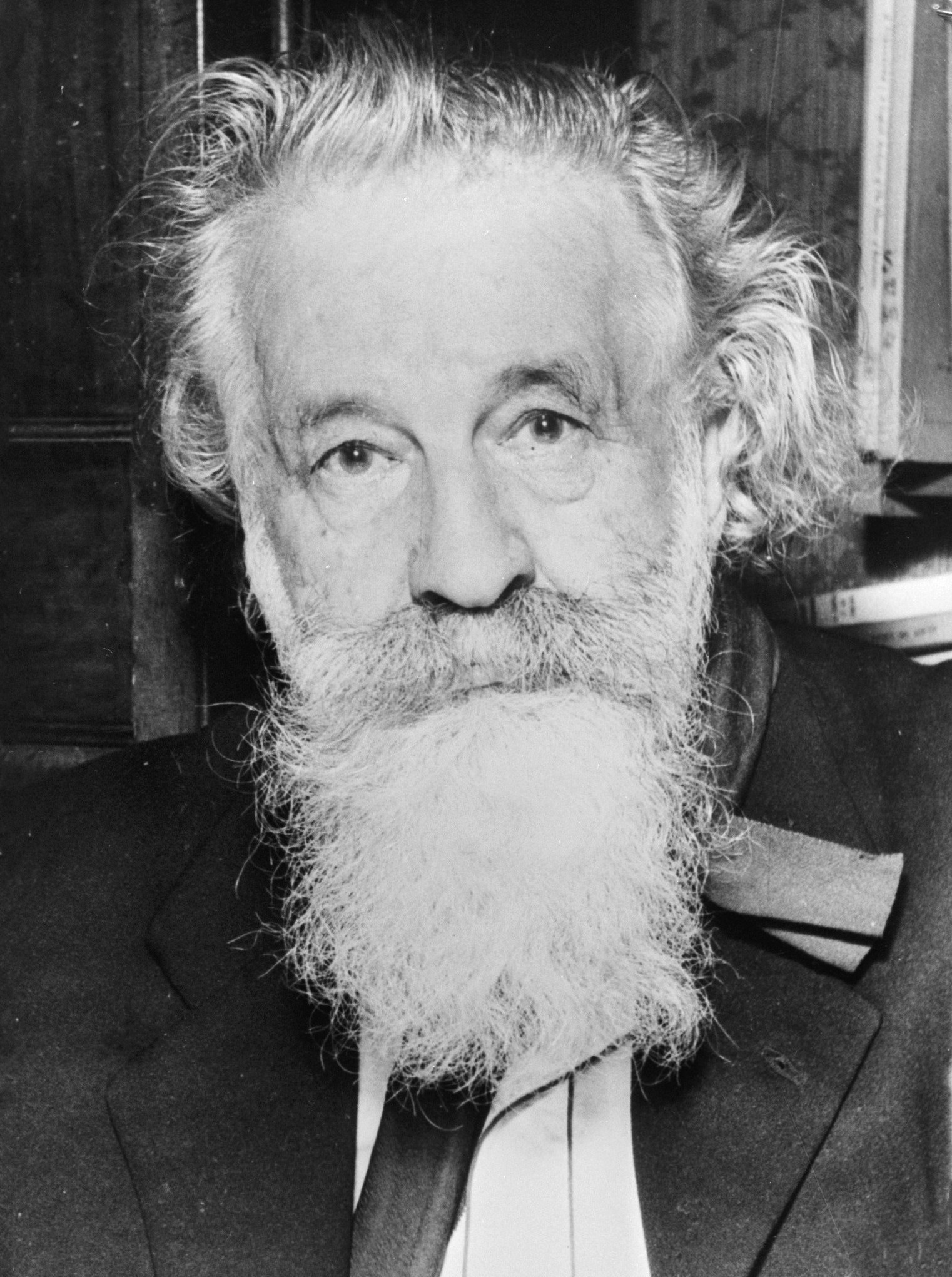
Gaston Bachelard, a prominent French philosopher and poet, is widely regarded for his profound contributions to the fields of epistemology, philosophy of science, and literary criticism. His innovative ideas and unique approach to understanding scientific knowledge and poetic imagination have left a lasting impact on 20th-century thought. This article delves into Gaston Bachelard’s age, fame, and life highlights, providing detailed insights and explanations about his remarkable journey and enduring influence.
Early Life and Education
Gaston Bachelard was born on June 27, 1884, in Bar-sur-Aube, a small town in the Champagne region of France. Growing up in a modest family, Bachelard’s early life was marked by financial constraints. His father was a shoemaker, and his mother was a homemaker, instilling in him the values of hard work and perseverance.
Despite the economic hardships, Bachelard excelled academically. He attended the Lycée in Bar-sur-Aube and later earned a scholarship to study at the Lycée Louis-le-Grand in Paris. His academic journey continued at the University of Paris (Sorbonne), where he initially studied mathematics and physics. Bachelard’s passion for science and philosophy began to take shape during this period, laying the groundwork for his future contributions.
Career Beginnings and Academic Pursuits
After completing his studies, Bachelard worked as a postal clerk and later as a high school teacher. His teaching career allowed him to explore his interests in science and philosophy further. In 1927, at the age of 43, Bachelard earned his doctorate in philosophy from the Sorbonne, with a thesis on the epistemology of scientific knowledge titled “Essai sur la connaissance approchée” (Essay on Approximate Knowledge).
Bachelard’s early academic work focused on the philosophy of science, where he challenged traditional notions of scientific progress. He argued that scientific knowledge is not a linear accumulation of facts but a series of revolutionary changes or “epistemological ruptures.” This idea was revolutionary at the time and positioned Bachelard as a leading figure in the field of epistemology.
Major Philosophical Contributions
Gaston Bachelard’s contributions to philosophy are extensive and multifaceted. His work can be broadly categorized into his philosophy of science and his exploration of the poetic imagination.
Philosophy of Science
In his philosophy of science, Bachelard introduced the concept of “epistemological obstacles” and “epistemological breaks.” He believed that the development of scientific knowledge involves overcoming inherent obstacles in human thinking. These obstacles are deeply rooted in everyday experiences and preconceived notions, which must be transcended for genuine scientific progress to occur.
Bachelard’s influential works in this area include “The New Scientific Spirit” (1934) and “The Formation of the Scientific Mind” (1938). In these texts, he emphasized the dynamic and ever-evolving nature of scientific theories, rejecting the idea of absolute truths. His assertion that science is a series of discontinuous leaps rather than a steady progression had a profound impact on the philosophy of science.
Poetics and Imagination
In addition to his work in epistemology, Bachelard made significant contributions to the philosophy of imagination and literary criticism. He explored the creative and poetic aspects of human consciousness, arguing that imagination plays a crucial role in shaping our understanding of reality.
Bachelard’s seminal works in this field include “The Psychoanalysis of Fire” (1938), “Water and Dreams” (1942), “The Air and the Dreams” (1943), and “The Poetics of Space” (1958). In these writings, he examined the symbolic meanings of natural elements like fire, water, air, and earth, and their influence on human thought and creativity. “The Poetics of Space,” in particular, is celebrated for its exploration of how intimate spaces, such as homes and rooms, shape our inner lives and memories.
Fame and Recognition
Gaston Bachelard’s innovative ideas and prolific writing earned him widespread recognition and acclaim. He was appointed to prestigious academic positions, including a professorship at the University of Dijon and later at the Sorbonne, where he influenced generations of students and scholars.
Bachelard’s work resonated with a diverse audience, including scientists, philosophers, and literary critics. His ability to bridge the gap between scientific rationality and poetic imagination made his contributions unique and enduring. He received numerous honors throughout his career, including membership in the French Academy of Sciences and the French Academy of Moral and Political Sciences.
Personal Life and Influences
Bachelard’s personal life was deeply intertwined with his intellectual pursuits. He married Jeanne Rossi in 1919, and they had one daughter, Suzanne Bachelard, who also became a prominent philosopher. His family provided a supportive environment for his work, and his home in Bar-sur-Aube remained a place of inspiration and reflection throughout his life.
Bachelard’s philosophical outlook was influenced by a range of thinkers, including Henri Bergson, Émile Meyerson, and Albert Einstein. His interdisciplinary approach drew on insights from science, psychology, and literature, reflecting his belief in the interconnectedness of knowledge.
Challenges and Triumphs
Despite his significant contributions, Bachelard faced several challenges throughout his career. His unorthodox ideas often met with resistance from traditionalists within the academic community. However, his perseverance and commitment to intellectual exploration allowed him to overcome these obstacles and establish himself as a leading figure in modern philosophy.
Bachelard’s triumphs are evident in the lasting impact of his work. His concepts of epistemological ruptures and the poetic imagination continue to influence contemporary thought. His ability to articulate complex ideas with clarity and elegance has ensured that his writings remain relevant and accessible to a broad audience.
Legacy and Impact
Gaston Bachelard’s legacy is profound and far-reaching. His contributions to the philosophy of science and the study of imagination have shaped modern intellectual discourse. His work has influenced a wide range of fields, including psychology, literary criticism, architecture, and education.
Bachelard’s exploration of the poetic imagination has had a lasting impact on literary theory and criticism. His insights into the symbolic meanings of natural elements and intimate spaces continue to inspire writers and scholars. His emphasis on the importance of imagination in shaping human experience has resonated with those seeking to understand the deeper layers of consciousness.
Historical Context and Nuances
Understanding Gaston Bachelard’s contributions requires a consideration of the broader historical and cultural context of his time. The early to mid-20th century was a period of significant scientific and intellectual upheaval. The rapid advancements in science and technology, coupled with the philosophical challenges posed by thinkers like Einstein and Heisenberg, created a fertile ground for Bachelard’s ideas.
Bachelard’s work can be seen as a response to the growing complexity of scientific knowledge and the need for a more nuanced understanding of its development. His emphasis on the discontinuous nature of scientific progress and the role of imagination in human thought reflected the broader intellectual currents of his time.
Modern Relevance and Continuing Influence
Gaston Bachelard’s work remains highly relevant in today’s intellectual landscape. His insights into the nature of scientific knowledge and the creative imagination continue to inform contemporary debates in philosophy, science, and literature. His interdisciplinary approach serves as a model for those seeking to bridge the gap between different fields of study.
In an era where the boundaries between disciplines are increasingly blurred, Bachelard’s work offers valuable lessons on the importance of integrating diverse perspectives. His emphasis on the dynamic and evolving nature of knowledge resonates with current efforts to understand the complexities of the modern world.
Conclusion
Gaston Bachelard’s life and work are a testament to his extraordinary intellect, creativity, and enduring influence. From his early days as a teacher and postal clerk to his rise as one of the most influential philosophers of the 20th century, Bachelard’s journey is marked by significant achievements and a lasting impact on the fields of epistemology and literary criticism. His ability to blend scientific rigor with poetic imagination has left a legacy that continues to inspire and challenge scholars and thinkers worldwide.
As we reflect on Gaston Bachelard’s contributions, it is clear that his work extends far beyond the confines of academic philosophy. He has touched the lives of countless individuals with his profound insights into the nature of knowledge and imagination. His legacy is one of intellectual curiosity, interdisciplinary exploration, and a deep appreciation for the richness of human thought.
Gaston Bachelard’s influence on contemporary philosophy and literature is profound and enduring. His writings continue to inspire new generations of scholars and thinkers, offering timeless wisdom and a visionary perspective on the nature of reality. As we celebrate his life and achievements, we are reminded of the enduring relevance of his teachings and the transformative power of his ideas.


