
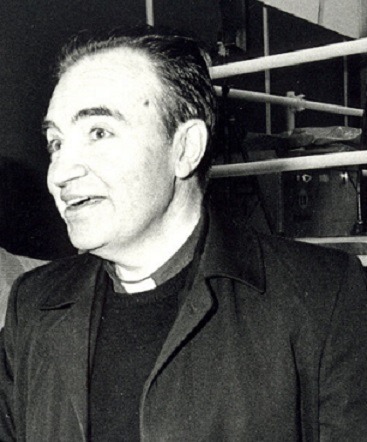
Gianni Baget Bozzo was a multifaceted Italian figure known for his work as a priest, politician, writer, and intellectual. Born on March 8, 1925, in Savona, Italy, Baget Bozzo’s life journey reflects a blend of religious devotion, political involvement, and intellectual contributions. His dynamic career and the controversies he navigated have left a lasting impression on Italian society and politics. This article delves into the life, career, and impact of Gianni Baget Bozzo, exploring his rise to fame, influential works, and enduring legacy.
Early Life and Education
Birth and Family Background
Gianni Baget Bozzo was born into a middle-class family in Savona, a coastal city in the Liguria region of Italy. His father, Giacomo Baget Bozzo, was a lawyer, while his mother, Teresa, was a homemaker. Growing up in a family that valued education and intellectual pursuits, young Gianni developed an early interest in philosophy, theology, and politics.
Education and Early Interests
Baget Bozzo’s academic journey began in local schools in Savona, where he showed an aptitude for the humanities. He pursued higher education at the University of Genoa, earning a degree in law. His academic interests, however, extended beyond the legal field. Baget Bozzo was deeply influenced by Catholic theology and philosophy, which led him to further his studies in these areas.
Religious Career
Ordination and Early Ministry
Gianni Baget Bozzo was ordained as a Catholic priest in 1949. His early ministry was marked by a commitment to social justice and a desire to engage with contemporary issues from a theological perspective. He served in various parishes, where he gained a reputation for his intellectual sermons and engagement with parishioners.
Theological Contributions
Baget Bozzo’s contributions to theology were significant. He wrote extensively on issues of faith, morality, and the role of the Church in modern society. His works often explored the intersections of religion, politics, and culture, reflecting his belief in the relevance of Catholic thought in addressing contemporary challenges. His theological writings were both praised for their depth and criticized for their controversial positions.
Political Involvement
Entry into Politics
In the 1960s, Gianni Baget Bozzo’s career took a significant turn as he entered the political arena. He was initially involved with the Christian Democracy (Democrazia Cristiana) party, which dominated Italian politics for much of the post-World War II period. Baget Bozzo’s political activities were driven by his desire to influence public policy in accordance with his religious and ethical beliefs.
Role in Christian Democracy
Within the Christian Democracy party, Baget Bozzo quickly became a prominent figure. He served as a political advisor and was known for his strategic insights and ability to navigate the complex landscape of Italian politics. His influence extended beyond party politics, as he sought to shape broader political discourse through his writings and public engagements.
Shift to Forza Italia
In the 1990s, Baget Bozzo made a notable shift in his political alignment by joining Forza Italia, the political party founded by media mogul Silvio Berlusconi. This move was seen as controversial by many of his contemporaries, given the stark differences between the Christian Democracy party’s traditional values and Forza Italia’s populist approach. However, Baget Bozzo’s decision reflected his pragmatic approach to politics and his belief in the need for new political paradigms.
Key Writings and Intellectual Contributions
Major Publications
Gianni Baget Bozzo was a prolific writer, with numerous books and articles to his name. Some of his most influential works include:
- “Il Vangelo secondo Berlusconi” (The Gospel According to Berlusconi): In this book, Baget Bozzo explored the political rise of Silvio Berlusconi, analyzing his impact on Italian politics and society. The book stirred controversy for its sympathetic portrayal of Berlusconi and its critique of traditional political elites.
- “La Rivoluzione Cristiana” (The Christian Revolution): This work delves into the role of Christianity in shaping social and political movements. Baget Bozzo argued for a more active involvement of the Church in political affairs, challenging the secularization of public life.
- “Il Potere e la Gloria” (The Power and the Glory): A theological and philosophical exploration of the relationship between religious authority and political power. The book reflects Baget Bozzo’s deep engagement with issues of morality and governance.
Influence on Italian Intellectual Life
Baget Bozzo’s intellectual contributions were not limited to his writings. He was a frequent commentator in Italian media, where he offered insights on a wide range of topics, from theology to politics to cultural trends. His ability to articulate complex ideas in an accessible manner made him a respected figure in Italian intellectual circles.
Controversies and Criticisms
Allegations of Inconsistency
One of the recurring criticisms of Gianni Baget Bozzo was his perceived inconsistency in political allegiances. His shift from Christian Democracy to Forza Italia was seen by some as opportunistic. Critics argued that his alignment with Berlusconi’s party contradicted his earlier positions on morality and ethics in politics. Baget Bozzo defended his choices by emphasizing the need for pragmatic approaches in a rapidly changing political landscape.
Theological Criticisms
Baget Bozzo’s theological positions also sparked controversy. Some of his views on the role of the Church in politics were seen as overly interventionist. His writings sometimes clashed with mainstream Catholic teachings, leading to debates within the Church about the appropriateness of his views. Despite these controversies, Baget Bozzo remained steadfast in his belief in the relevance of Catholic thought in addressing contemporary issues.
Legacy and Impact
Contributions to Political Thought
Gianni Baget Bozzo’s legacy in Italian politics and intellectual life is significant. His writings and political activities contributed to the discourse on the relationship between religion and politics in modern society. His advocacy for a more active role of the Church in public affairs influenced many thinkers and political leaders in Italy and beyond.
Influence on Future Generations
Baget Bozzo’s impact extends to future generations of political and religious thinkers. His writings continue to be studied for their insights into the dynamics of power, faith, and society. His willingness to engage with controversial topics and challenge established norms has inspired a new generation of thinkers to approach issues with a similar boldness.
Historical Context
To fully appreciate Gianni Baget Bozzo’s contributions, it is essential to understand the historical context of his life and work. Italy’s post-war period was marked by rapid social and political changes, including the rise and fall of political parties, the influence of the Catholic Church, and the challenges of modernization. Baget Bozzo’s career reflects these broader trends, as he navigated the complexities of Italian society during this transformative period.
Personal Life
Relationships and Personal Beliefs
Baget Bozzo’s personal life was characterized by his deep commitment to his faith and his intellectual pursuits. He maintained close relationships with many prominent figures in Italian politics and the Church, and his personal beliefs were deeply intertwined with his professional activities. His dedication to his work often meant that his personal life was closely guarded, with few details available to the public.
Interests and Hobbies
Beyond his professional life, Baget Bozzo had a keen interest in literature and philosophy. He was an avid reader and enjoyed engaging in intellectual debates. His hobbies included writing and studying historical texts, reflecting his lifelong passion for knowledge and understanding.
Later Years and Death
Continued Influence
In his later years, Baget Bozzo remained an influential figure in Italian society. He continued to write and comment on political and theological issues, and his insights were sought after by both media and academic institutions. His ability to adapt to changing political landscapes and remain relevant was a testament to his intellectual agility and depth.
Death and Legacy
Gianni Baget Bozzo passed away on May 8, 2009, leaving behind a legacy of intellectual contributions and political involvement. His funeral was attended by many prominent figures from the worlds of politics, religion, and academia, reflecting the broad impact of his work. Today, his writings and ideas continue to be studied and debated, ensuring that his influence endures.
Conclusion
Gianni Baget Bozzo’s life and career exemplify the complex interplay between religion, politics, and intellectual thought in modern society. His contributions to theology, political thought, and public discourse have left a lasting impact on Italian society and beyond. From his early days as a young priest to his influential roles in political parties and his extensive writings, Baget Bozzo’s journey is a testament to the power of ideas and the importance of engaging with the world around us.
In summary, Gianni Baget Bozzo was a multifaceted figure whose work transcends the boundaries of theology, politics, and intellectual thought. His legacy is one of deep engagement with the pressing issues of his time, and his willingness to challenge established norms continues to inspire thinkers and leaders today. As we reflect on his life and work, we are reminded of the enduring relevance of his contributions and the importance of intellectual courage in the face of societal change.


