
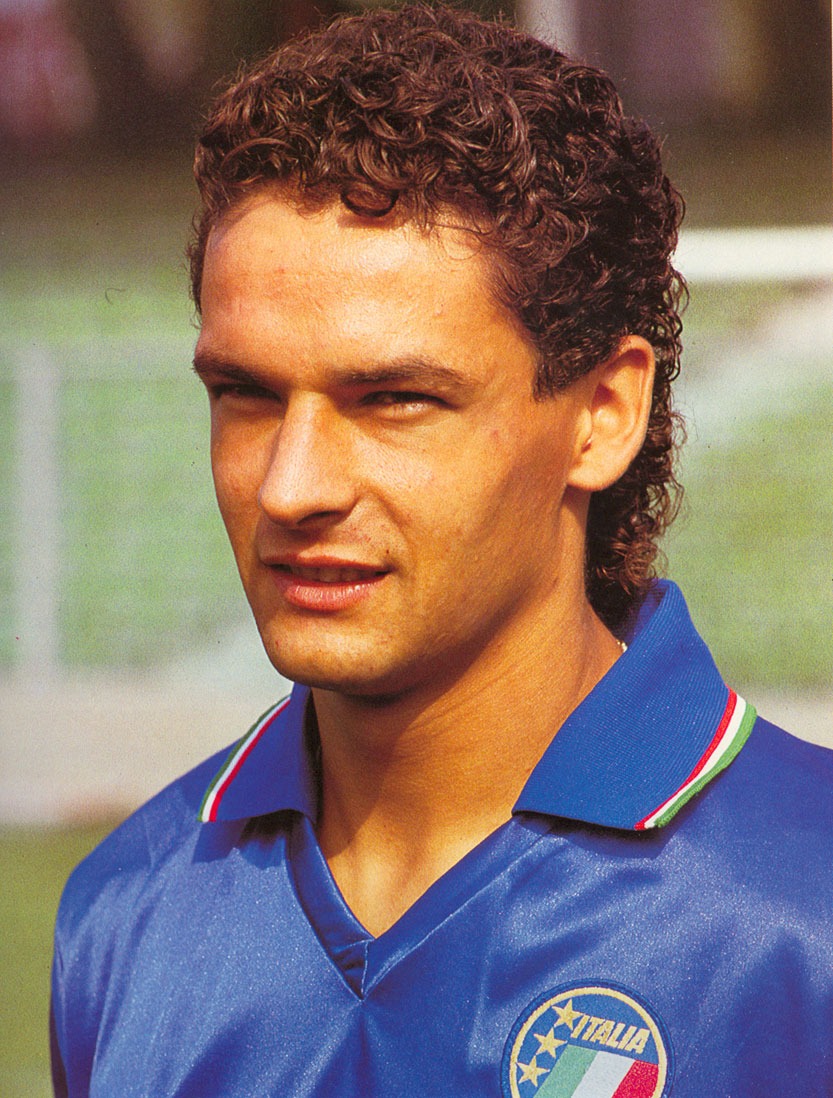
Roberto Baggio, born on February 18, 1967, in Caldogno, Italy, is widely regarded as one of the greatest football players Italy has ever produced. Known globally for his skill, creativity, and flair, Baggio’s career is marked by extraordinary achievements and moments that have left an indelible mark on the history of football. This article delves into the life, fame, and career highlights of Roberto Baggio, providing detailed insights into his journey from a young football enthusiast to an international icon.
Early Life and Beginnings in Football
Roberto Baggio was introduced to sports by his father, who initially tried to instill in him a love for cycling. However, Baggio’s passion was always football. From a young age, he displayed remarkable talent and creativity on the pitch. He began his football journey with his hometown club, Caldogno, before moving to Vicenza at the age of 15, where he played in Serie C.
Baggio’s prowess on the field quickly became evident. In the 1984/85 season, still not yet 18, he scored 12 goals in 29 matches, playing a crucial role in helping Vicenza get promoted to Serie B. His talent did not go unnoticed, and soon he was signed by Fiorentina, one of Italy’s top clubs.
Rise to Fame with Fiorentina
Roberto Baggio made his Serie A debut with Fiorentina on September 21, 1986, against Sampdoria. His first goal in the Italian top flight came on May 10, 1987, against Napoli. Baggio’s exceptional performances made him a beloved figure in Florence, where he played until 1990. His creativity, technical skill, and ability to score crucial goals earned him the nickname “Il Divin Codino” (The Divine Ponytail).
Baggio’s time at Fiorentina culminated in his first call-up to the Italian national team on November 16, 1988, against the Netherlands. His growing reputation led to a highly controversial transfer to Juventus in 1990, which left Fiorentina fans heartbroken and sparked protests.
Peak of Career: Juventus and International Glory
At Juventus, Baggio reached the pinnacle of his career. He scored 78 goals in five seasons and won several major titles, including a Serie A title, a UEFA Cup, and an Italian Cup. His exceptional performances earned him the prestigious Ballon d’Or in 1993 and the FIFA World Player of the Year award in 1994.
The 1994 FIFA World Cup in the USA was a defining moment in Baggio’s career. Under coach Arrigo Sacchi, Baggio led Italy to the final, scoring five crucial goals along the way. Despite his stellar performance, the final against Brazil ended in heartbreak as Baggio missed the decisive penalty in the shootout, and Brazil won the World Cup. This moment, however, did not tarnish his legacy but rather highlighted the pressures and dramatic nature of the sport.
Later Career: Milan, Bologna, Inter, and Brescia
After his successful stint with Juventus, Baggio moved to AC Milan in 1995, where he won another Serie A title. However, his time at Milan was less fruitful due to limited playing time and tactical differences with coach Fabio Capello.
In 1997, Baggio joined Bologna to revive his career. He scored 22 goals in 30 matches, his highest in a single season, helping Bologna secure a strong league position and earning a spot in the Italian squad for the 1998 World Cup in France. Although Italy was eliminated in the quarterfinals by the host nation, Baggio’s performances were commendable.
Baggio then had a stint with Inter Milan, where he experienced mixed results but continued to demonstrate his skill, especially in the UEFA Champions League. His relationship with coach Marcello Lippi was strained, which limited his playing time.
In the twilight of his career, Baggio joined Brescia in 2000. Under the guidance of coach Carlo Mazzone, he found a resurgence, scoring his 200th Serie A goal and solidifying his place among Italy’s greatest scorers. He retired from professional football in 2004, leaving behind a legacy of 205 Serie A goals and 27 goals in 56 appearances for the national team.
Legacy and Influence
Roberto Baggio’s legacy extends beyond his statistics and accolades. Known for his humility and sportsmanship, Baggio was a devout Buddhist, which influenced his approach to life and football. His autobiography, “Una porta nel cielo” (A Door in the Sky), published in 2001, provides an intimate look at his struggles, triumphs, and the philosophy that guided him through his career.
Baggio’s impact on Italian football and his ability to overcome numerous injuries and challenges have made him an inspirational figure. He is remembered not only for his technical brilliance and goal-scoring ability but also for his resilience and dedication to the sport.
Post-Retirement Activities
After retiring, Baggio continued to be involved in football and sports. In 2010, he attended Coverciano, the Italian football training center, to obtain his coaching license. He also took on roles in football management and development, contributing to the sport off the field.
Baggio’s contributions to football have been recognized with numerous awards and honors. His influence remains strong among fans and players, and his name is synonymous with elegance, creativity, and the beautiful game.
Conclusion
Roberto Baggio’s journey from a small-town footballer to an international legend is a testament to his extraordinary talent, determination, and passion for the game. His career is filled with unforgettable moments, from his dazzling runs and stunning goals to the heartbreak of the 1994 World Cup final. Baggio’s story is one of triumph over adversity, and his legacy continues to inspire new generations of football enthusiasts around the world.


