
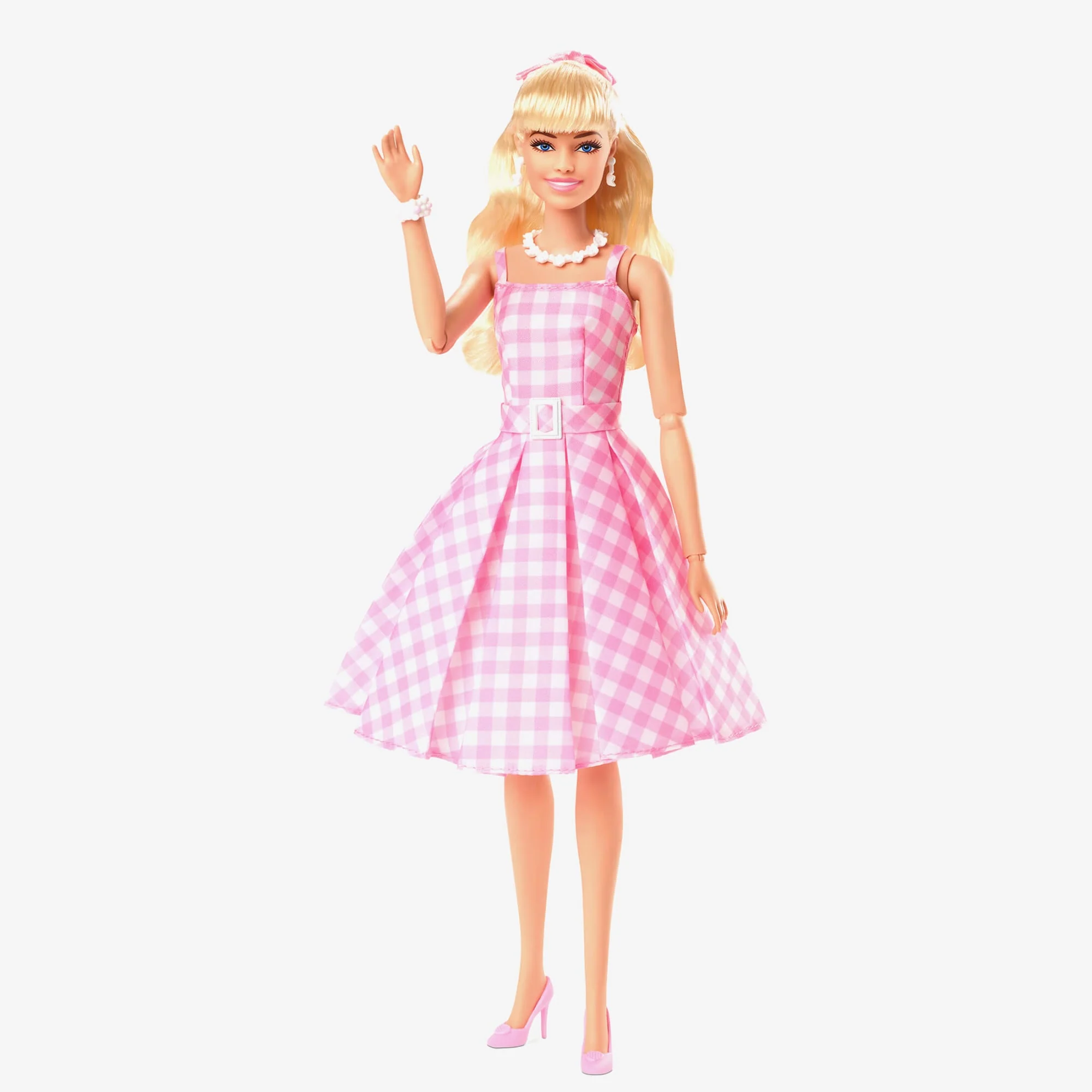
Barbie, whose full name is Barbara Millicent Roberts, is an iconic fashion doll introduced to the world by the American toy company Mattel, Inc. in 1959. Over the decades, Barbie has become a cultural phenomenon, influencing generations of children and reflecting changing societal norms and ideals. This article delves into Barbie’s creation, evolution, and impact, providing a comprehensive look at the world’s most famous doll.
The Birth of Barbie
Barbie was created by Ruth Handler, co-founder of Mattel, who was inspired by watching her daughter, Barbara, play with paper dolls. Handler envisioned a three-dimensional adult-figured doll that would allow girls to imagine and project their future aspirations. During a trip to Switzerland, she encountered a German doll named Lilli, which served as the prototype for Barbie.
Barbie made her debut at the American Toy Fair in New York City on March 9, 1959. She was presented as a teenage fashion model with a ponytail hairstyle, dressed in a black and white striped swimsuit. This original Barbie, now known as “Ponytail Barbie,” was available as both a blonde and a brunette.
Early Success and Evolution
Barbie’s initial success was immediate and overwhelming, with 350,000 dolls sold in the first year at a price of $3 each. This success was partly due to Mattel’s aggressive marketing strategy, which included the first-ever television commercials targeting children. Barbie quickly became a cultural icon, symbolizing a new kind of toy that encouraged girls to envision themselves in various adult roles.
In 1961, Barbie was joined by her boyfriend, Ken Carson, named after Handler’s son. This addition expanded the narrative possibilities for Barbie and her world. Over the years, Barbie’s family grew to include siblings like Skipper, and friends like Midge and Christie, who represented diverse backgrounds and added depth to Barbie’s social circle.
Barbie’s Many Careers and Personas
One of Barbie’s most distinctive features is her versatility. Over the decades, Barbie has taken on over 200 careers, reflecting the evolving aspirations and opportunities available to women. Some of her most notable roles include:
- Astronaut Barbie (1965): Reflecting the excitement of the space race, Barbie ventured into space, encouraging young girls to dream big.
- Doctor Barbie (1988): Highlighting the increasing presence of women in medicine, Doctor Barbie became a role model for aspiring female physicians.
- Presidential Candidate Barbie (1992): Barbie ran for president, promoting the idea that women could aspire to the highest political office.
In addition to her careers, Barbie has embraced various personas, from fashion model and actress to athlete and entrepreneur. This adaptability has allowed Barbie to stay relevant and inspiring to each new generation of children.
Cultural Impact and Criticism
Barbie’s impact on popular culture is profound. She has been the subject of countless books, songs, and movies, and has been featured in art exhibitions around the world. Barbie’s fashion sense has also been a major influence, with top designers like Dior, Versace, and Moschino creating outfits for her.
However, Barbie has not been without controversy. Critics have argued that Barbie’s unrealistic body proportions promote unattainable beauty standards. Concerns about the implications of these standards on young girls’ self-esteem and body image have led to significant debate. Mattel has responded to these criticisms by introducing dolls with diverse body types, skin tones, and abilities, making Barbie more inclusive and representative of the real world.
The Modern Barbie
In recent years, Mattel has made concerted efforts to ensure Barbie reflects contemporary values and diversity. In 2016, the company launched the Barbie Fashionistas line, which included dolls with different body shapes—tall, petite, and curvy—along with a wider range of skin tones, eye colors, and hairstyles. This move was widely praised as a positive step towards inclusivity.
Barbie has also embraced modern professions and real-life role models. For instance, in 2019, Mattel produced a Barbie doll modeled after Italian astronaut Samantha Cristoforetti, highlighting STEM careers and promoting positive female role models in science and technology.
The Business of Barbie
Barbie has been a significant financial success for Mattel. Since her debut, over a billion Barbie dolls have been sold worldwide, making her one of the best-selling toys of all time. Barbie’s brand extends beyond dolls to include movies, TV shows, books, and a wide range of merchandise, from clothing and accessories to home decor and digital games.
Mattel’s marketing strategies have evolved with the times, leveraging social media and digital platforms to engage with new generations of Barbie fans. The brand’s official YouTube channel features animated series, vlogs, and DIY videos, further expanding Barbie’s reach and relevance.
Collectible Barbie Dolls
Barbie has also become a favorite among collectors. Special edition dolls, often created in collaboration with famous designers and artists, are highly sought after. These collectible Barbies can range from celebrity likenesses to dolls dressed in haute couture, and they often fetch high prices at auctions and in the secondary market.
Barbie’s Enduring Legacy
Barbie’s legacy is multifaceted. She has been a mirror reflecting societal changes, a canvas for artistic expression, and a tool for children’s imaginative play. Barbie’s ability to adapt to cultural shifts and embrace diversity has ensured her continued relevance.
Despite the controversies and challenges, Barbie remains a beloved and influential figure in the toy industry and beyond. Her story is one of innovation, resilience, and transformation, embodying the possibilities and complexities of modern femininity.
Conclusion: Barbie Today and Tomorrow
As Barbie approaches her 65th anniversary, she continues to inspire and evolve. Mattel’s commitment to diversity and inclusivity, along with Barbie’s ability to adapt to changing times, ensures that she remains a relevant and cherished icon. Whether as a toy, a fashion symbol, or a cultural touchstone, Barbie’s influence shows no signs of waning.
Barbie’s journey from a simple fashion doll to a global icon is a testament to the power of imagination and the importance of representation. As she continues to break new ground and inspire future generations, Barbie’s legacy will undoubtedly endure, reminding us all that we can be anything we want to be.


