
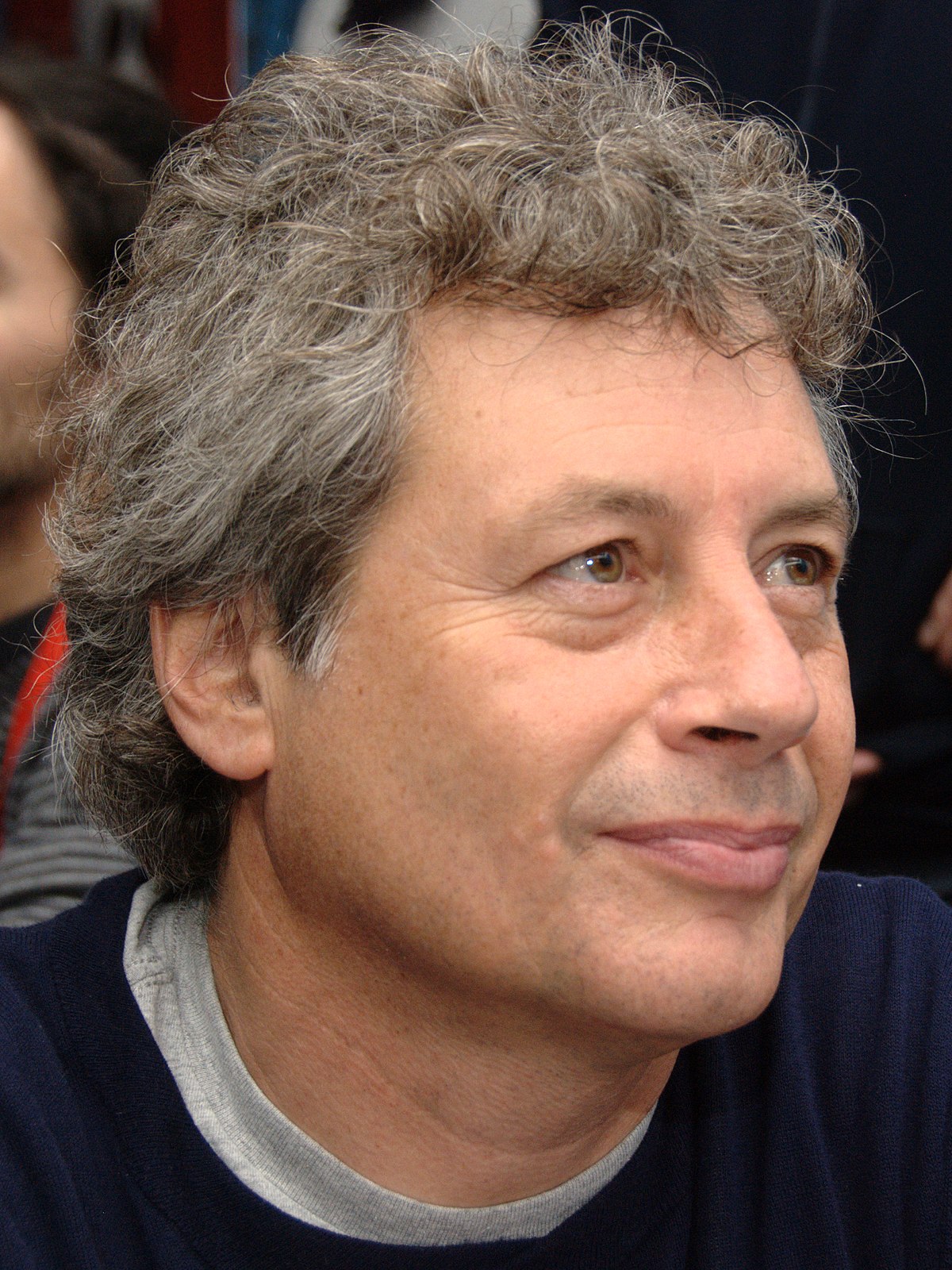
Alessandro Baricco, born on January 25, 1958, in Turin, Italy, is one of the most renowned and beloved writers in contemporary Italian literature. Known for his captivating narrative style and profound literary contributions, Baricco has earned a distinguished place in the world of literature, music, and theater. This comprehensive biography delves into the life, career, and achievements of Alessandro Baricco, exploring the nuances of his journey and the impact he has made on various artistic fields.
Early Life and Education
Alessandro Baricco’s early life in Turin laid the foundation for his future endeavors. He pursued his education in philosophy under the guidance of Gianni Vattimo and graduated with a thesis on aesthetics. Simultaneously, he attended the conservatory, where he graduated in piano, reflecting his deep-seated passion for music and literature.
Initial Foray into Writing and Music Criticism
Baricco’s first foray into the literary world was as a music critic. His debut book, “Il genio in fuga. Due saggi sul teatro musicale di Rossini,” published by Einaudi, showcased his analytical prowess and unique perspective on the works of Gioachino Rossini. Although his initial work did not bring him widespread fame, it marked the beginning of a prolific career in writing.
Breakthrough in Literature
The 1990s were a defining decade for Baricco. In 1991, he published “Castelli di Rabbia,” his first novel, which received critical acclaim and established his reputation as a novelist. The book, published by Bompiani, sparked debates among critics and readers, reflecting Baricco’s ability to evoke strong emotions and opinions through his writing.
In 1993, Baricco’s novel “Oceano Mare” further solidified his status as a literary figure. The book’s success was immense, and it became a cornerstone of his career. “Oceano Mare” is known for its lyrical prose and intricate storytelling, characteristics that have become synonymous with Baricco’s writing style.
Contributions to Media and Television
Baricco’s influence extended beyond literature into the realms of media and television. He made his television debut in 1993 as the host of “L’amore è un dardo,” a program on Rai 3 dedicated to opera. This show aimed to bridge the gap between the world of opera and the general television audience, making the art form more accessible and engaging.
He later wrote and hosted “Pickwick, del leggere e dello scrivere,” a television program focused on literature, alongside journalist and author Giovanna Zucconi. These shows showcased Baricco’s versatility and his ability to connect with diverse audiences through different mediums.
Journalism and Literary Columns
In addition to his work in television, Baricco contributed to notable Italian newspapers such as “La Stampa” and “La Repubblica.” His columns, characterized by a narrative style, covered a wide range of topics, from tennis and piano concerts to pop star performances and theater productions. Baricco’s keen observations and unique perspective offered readers a deeper understanding of everyday events and the media circus surrounding them.
The Barnum Chronicles
Baricco’s exploration of the media and everyday life culminated in the publication of two volumes titled “Barnum: Cronache dal Grande Show.” These collections of essays and articles captured the essence of his reflections on contemporary culture and the spectacle of life. The title “Barnum” references the famous showman P.T. Barnum, emphasizing Baricco’s fascination with the performative aspects of modern society.
The Internet and Digital Era
At the turn of the millennium, Baricco embraced the digital age with the publication of “City” in 1999. Uniquely, Baricco chose to promote the book exclusively online, creating a dedicated website called “abcity.” This move highlighted his forward-thinking approach and willingness to experiment with new forms of media.
In an interview, Baricco expressed his fascination with the philosophy of links and the concept of journeying through texts. He drew parallels between this digital exploration and the literary journeys undertaken by authors like Joseph Conrad and Gustave Flaubert. Baricco’s innovative approach to the digital realm reflected his adaptability and commitment to exploring new frontiers in storytelling.
The Holden School of Writing
In 1994, Baricco founded the Holden School in Turin, dedicated to teaching narrative techniques. Named after Holden Caulfield, the protagonist of J.D. Salinger’s “The Catcher in the Rye,” the school aimed to nurture aspiring writers and equip them with the skills needed to craft compelling stories. The Holden School has since become a prominent institution, contributing significantly to the development of new literary talents.
Theatrical and Cinematic Ventures
Baricco’s creative endeavors extended to theater and film. His first theatrical work, “Davila Roa,” premiered in 1996 under the direction of Luca Ronconi. This was followed by the monologue “Novecento,” which inspired Giuseppe Tornatore’s film “The Legend of 1900.”
In 2004, Baricco reinterpreted Homer’s “Iliad” in “24 monologues (plus one),” and in 2007, he adapted “Moby Dick” for the stage. These projects demonstrated Baricco’s ability to breathe new life into classic works, making them relevant and engaging for contemporary audiences.
Baricco also ventured into filmmaking with “Lezione ventuno” in 2008. This film, which he wrote and directed, centered around the character Professor Mondrian Kilroy and his lecture on Beethoven’s Ninth Symphony. The film showcased Baricco’s multifaceted talent and his ability to convey complex ideas through visual storytelling.
Personal Life and Later Achievements
Baricco’s personal life has been marked by significant relationships and achievements. He was previously married to journalist and screenwriter Barbara Frandino, with whom he has two children. Baricco is also a devoted fan of Torino FC, reflecting his passion for soccer.
In recent years, Baricco has been in a relationship with pianist Gloria Campaner, who is 28 years his junior. The couple met at the Festival della Bellezza in Verona and married in a private ceremony in late 2023.
Recent Recognitions and Challenges
The 2020s have been a period of both accolades and challenges for Baricco. In 2020, he received the European Charles Veillon Prize for Essay Writing for his work “The Game,” published in 2018. He was also awarded the Campiello Prize for his career achievements.
In January 2022, Baricco publicly announced that he had been diagnosed with leukemia and would undergo a bone marrow transplant, with his sister Enrica serving as the donor. This courageous battle with illness has only added to the admiration and respect that fans and peers have for Baricco.
Conclusion
Alessandro Baricco’s journey is a testament to his unwavering passion for storytelling, his versatility across different mediums, and his profound impact on contemporary literature and culture. From his early days as a music critic to his status as a celebrated novelist, playwright, and filmmaker, Baricco has continuously pushed the boundaries of creativity. His ability to engage with diverse audiences, whether through books, television, or theater, underscores his unique position in the world of art and literature.
Baricco’s legacy is one of innovation, exploration, and a deep commitment to the craft of storytelling. His work continues to inspire and captivate readers and audiences worldwide, ensuring that his influence will be felt for generations to come.


