
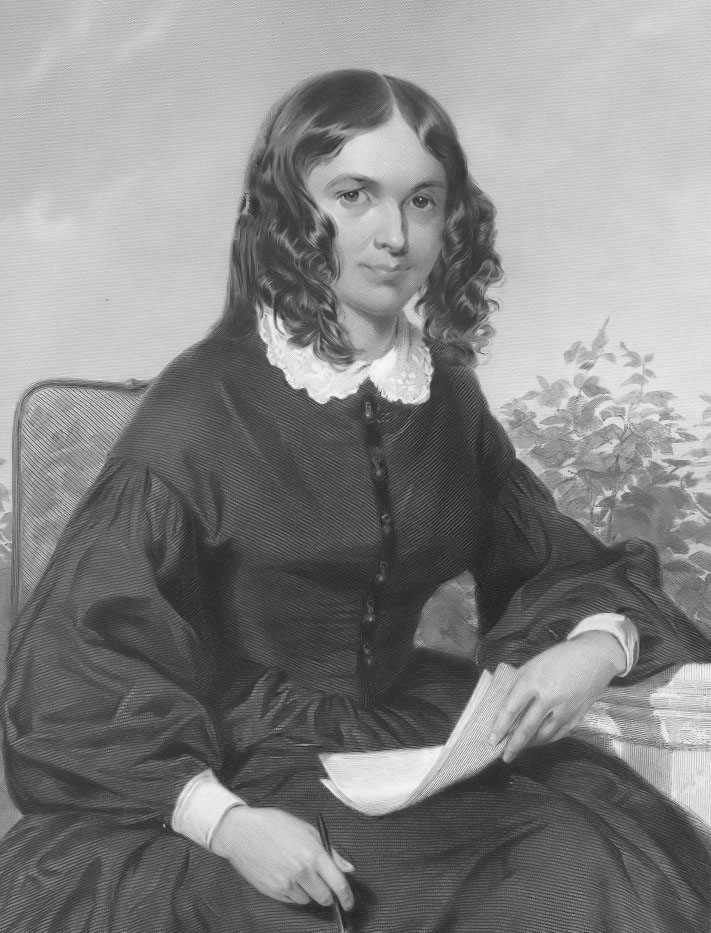
Elizabeth Barrett Browning, born on March 6, 1806, in County Durham, England, is one of the most prominent poets of the Victorian era. Renowned for her expressive and emotive poetry, Browning’s work has transcended time, influencing generations of writers and poets. This comprehensive exploration of her life delves into her age, rise to fame, and key life highlights, providing detailed insights into her literary contributions and personal struggles.
Early Life and Education
Elizabeth Barrett Moulton-Barrett was born into a wealthy family with Jamaican sugar plantations. Her early life was marked by privilege and access to extensive educational resources. Elizabeth was a precocious child, showing an early aptitude for literature and languages. By the age of ten, she had read Homer in Greek and written her first epic poem. Her education was overseen by her father, Edward Moulton-Barrett, who took great pride in her intellectual achievements.
Elizabeth’s early exposure to classical literature, philosophy, and the works of prominent poets shaped her literary voice. Despite suffering from a lifelong illness, believed to be a form of tuberculosis, she remained an avid reader and writer. Her health challenges did not deter her; rather, they fueled her passion for writing as a means of intellectual and emotional expression.
Literary Beginnings
Elizabeth Barrett Browning’s literary career began in her teenage years. Her first collection of poems, “An Essay on Mind and Other Poems,” was published anonymously in 1826 when she was just 20 years old. This work displayed her deep philosophical and literary inclinations and marked the beginning of her journey as a published poet.
In 1838, she published “The Seraphim and Other Poems,” her first mature work that garnered critical attention. The collection explored religious themes and showcased her mastery of the sonnet form. Elizabeth’s ability to blend personal emotion with intellectual rigor set her apart from her contemporaries and established her as a formidable literary force.
Rise to Fame
Elizabeth Barrett Browning’s rise to fame was marked by the publication of “Poems” in 1844. This two-volume collection included some of her most famous works, such as “The Cry of the Children” and “Lady Geraldine’s Courtship.” The success of “Poems” catapulted her into the literary limelight and earned her the admiration of readers and fellow poets alike.
One of her admirers was Robert Browning, a fellow poet, who wrote her a letter of admiration. This correspondence led to one of the most famous literary romances in history. Elizabeth and Robert exchanged letters for nearly two years before marrying in secret in 1846, defying her father’s strict opposition to the union. Their elopement and subsequent move to Italy marked a new chapter in Elizabeth’s life and literary career.
Life in Italy and Literary Contributions
After marrying Robert Browning, Elizabeth moved to Italy, where the couple settled in Florence. The Italian landscape, culture, and political climate deeply influenced her writing. During this period, she produced some of her most significant works, including “Sonnets from the Portuguese” and “Aurora Leigh.”
“Sonnets from the Portuguese,” published in 1850, is a collection of 44 sonnets that Elizabeth wrote as a chronicle of her love for Robert. The sonnets are celebrated for their passionate expression of love and are among the most well-known love poems in English literature. The title of the collection was a clever disguise to suggest a translation, reflecting Elizabeth’s modesty about the deeply personal nature of the poems.
“Aurora Leigh,” published in 1856, is a novel in verse that combines the elements of epic poetry with the novel form. It tells the story of a young woman’s journey to become a poet, reflecting Elizabeth’s own struggles and triumphs as a female writer in a male-dominated society. “Aurora Leigh” is considered one of her masterpieces, offering a profound commentary on gender, creativity, and social issues.
Advocacy and Social Issues
Elizabeth Barrett Browning was not only a poet but also an advocate for social justice. Her work often addressed pressing social issues of her time, including child labor, slavery, and women’s rights. “The Cry of the Children,” written in response to the exploitation of child labor in factories, is a poignant plea for compassion and reform.
Her commitment to social causes extended beyond her writing. Elizabeth was an outspoken critic of slavery, and her correspondence with abolitionists in both England and the United States highlighted her dedication to the cause. Her poem “The Runaway Slave at Pilgrim’s Point” is a powerful condemnation of slavery and a testament to her belief in human dignity and equality.
Personal Struggles and Health
Throughout her life, Elizabeth Barrett Browning struggled with chronic health issues. Her frail health often confined her to her home, where she spent much of her time reading and writing. Despite these challenges, she remained intellectually active and creatively productive.
Elizabeth’s health improved somewhat after her marriage and move to Italy, likely due to the warmer climate and change of environment. However, she continued to battle illness throughout her life. Her resilience in the face of adversity is evident in her extensive body of work, which reflects both her personal struggles and her unyielding spirit.
Later Years and Legacy
Elizabeth Barrett Browning’s later years were marked by continued literary output and increasing recognition. Her work was celebrated not only in England but also in Europe and America. She became a literary icon, admired for her intellect, emotional depth, and advocacy for social justice.
Elizabeth’s final collection, “Last Poems,” was published posthumously in 1862, the year after her death. Her legacy as one of the most influential poets of the Victorian era is undeniable. Her innovative use of form, profound exploration of themes such as love, suffering, and social justice, and her distinctive voice have left an indelible mark on English literature.
Historical Context and Influence
To fully appreciate Elizabeth Barrett Browning’s contributions, it is essential to understand the historical context in which she wrote. The Victorian era was a time of significant social and political change. The Industrial Revolution brought about dramatic shifts in society, economy, and technology, leading to both progress and exploitation.
The role of women in society was also evolving, with increasing calls for women’s rights and education. Elizabeth Barrett Browning’s work reflects these broader societal changes and contributes to the ongoing dialogue about gender, class, and social justice. Her advocacy for the marginalized and her critique of societal norms resonate with contemporary issues, making her work relevant even today.
Elizabeth Barrett Browning’s Enduring Impact
Elizabeth Barrett Browning’s impact on literature and society extends far beyond her lifetime. Her ability to weave personal experience with universal themes has made her work timeless. She has influenced countless poets and writers, including Emily Dickinson, who admired her deeply.
In addition to her literary influence, Elizabeth’s life story has inspired generations of women writers and activists. Her courage in pursuing her passion for writing, despite societal and familial constraints, serves as a powerful example of the importance of perseverance and self-expression.
Conclusion
Elizabeth Barrett Browning’s life and work are a testament to the enduring power of poetry and the written word. From her early years in County Durham to her rise to fame and her final days in Italy, she lived a life marked by intellectual curiosity, creative brilliance, and a deep commitment to social justice. Her contributions to literature have left an indelible mark, influencing generations of poets and readers.
Her legacy continues to inspire, reminding us of the importance of compassion, advocacy, and the relentless pursuit of truth through art. Elizabeth Barrett Browning may have lived in the 19th century, but her voice remains vibrant and relevant, echoing through the annals of literary history.


