
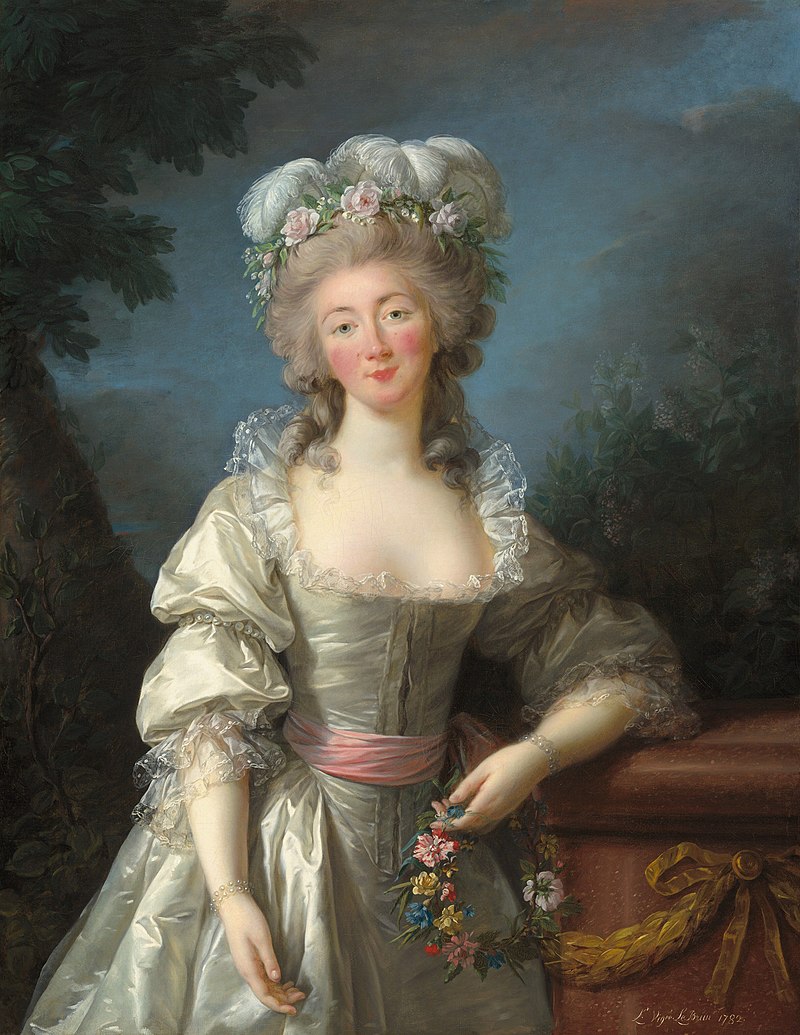
Madame du Barry, born Jeanne Bécu on August 19, 1743, in Vaucouleurs, France, is a historical figure who rose from humble beginnings to become the last official mistress of King Louis XV of France. Her life is a fascinating tale of beauty, ambition, and influence within the opulent yet tumultuous court of Versailles. This comprehensive exploration delves into her age, rise to fame, and key life highlights, providing detailed insights into her personal journey and historical significance.
Early Life and Background
Jeanne Bécu was born to Anne Bécu, a seamstress, and an unknown father. Her early life was marked by poverty and obscurity. Raised by her mother and her mother’s companion, Jeanne received a modest education at a convent in Paris, where she developed a sense of refinement that would later serve her well in court life.
From a young age, Jeanne’s striking beauty was evident. She worked various jobs to support herself, including as a milliner’s assistant. Her charm and appearance attracted the attention of Jean-Baptiste du Barry, a high-class pimp who introduced her to the world of Parisian society. Through his connections, Jeanne met influential men and began her ascent within the social hierarchy of France.
Rise to Fame
Jeanne’s life changed dramatically when she caught the eye of King Louis XV. In 1768, Jean-Baptiste du Barry presented her to the king as a noblewoman, despite her humble origins. To make the relationship legitimate, she was quickly married to Jean-Baptiste’s brother, Count Guillaume du Barry, henceforth known as Madame du Barry.
As the king’s mistress, Madame du Barry quickly rose to a position of immense influence. Her charm, wit, and beauty captivated Louis XV, who lavished her with gifts and titles. Despite initial resistance from the court, particularly from the queen, Marie Leszczyńska, and the king’s daughters, Madame du Barry secured her place as the king’s favorite.
Life at the Court of Versailles
Madame du Barry’s life at Versailles was marked by luxury and extravagance. She lived in the lavish apartments provided by the king and became a prominent figure at court, known for her fashion, jewels, and patronage of the arts. Her influence extended beyond mere companionship; she played a role in political affairs and had a significant impact on the king’s decisions.
However, her position also made her a target of envy and criticism. Many courtiers resented her rise from humble beginnings, and she was often the subject of scandal and intrigue. Her most famous adversary was Marie Antoinette, who initially refused to acknowledge her presence at court. The rivalry between Madame du Barry and Marie Antoinette was emblematic of the broader tensions within the French court.
Patronage and Cultural Contributions
Despite the controversies, Madame du Barry made notable contributions to French culture. She was a patron of the arts, commissioning works from prominent artists of the time. Her support extended to painters, sculptors, and craftsmen, helping to foster a vibrant cultural environment at Versailles.
Madame du Barry’s taste in art and fashion had a significant influence on the trends of the period. Her personal style, characterized by elegance and sophistication, was emulated by many women at court. She also played a role in promoting Rococo art, commissioning pieces that reflected the opulent and decorative style of the era.
Fall from Grace
The death of Louis XV in 1774 marked the end of Madame du Barry’s influence at court. With the ascension of Louis XVI and Marie Antoinette, her position became increasingly precarious. Marie Antoinette, now queen, wasted no time in banishing Madame du Barry from Versailles. She was sent to the Abbey du Pont-aux-Dames, a convent in Meaux, where she lived in relative seclusion.
After a period of exile, Madame du Barry was allowed to return to her private chateau, Louveciennes, where she continued to live in luxury, though without the political influence she once wielded. During this time, she maintained relationships with several influential figures and continued her patronage of the arts.
The French Revolution and Arrest
The outbreak of the French Revolution in 1789 brought dramatic changes to France and to Madame du Barry’s life. As the revolutionaries sought to dismantle the old regime, those associated with the monarchy became targets. Despite her attempts to distance herself from her past, Madame du Barry’s wealth and connections to the ancien régime made her a suspect in the eyes of the revolutionaries.
In 1793, during the Reign of Terror, Madame du Barry was arrested on charges of aiding émigrés and conspiring against the new republic. She was imprisoned and subjected to a harsh interrogation. Despite her efforts to prove her innocence, she was found guilty and sentenced to death.
Execution and Legacy
On December 8, 1793, Madame du Barry was executed by guillotine at the Place de la Révolution in Paris. Her final moments were marked by a desperate plea for mercy, but the revolutionaries showed no leniency. Her death was a stark reminder of the turbulent and unforgiving nature of the revolution.
Despite her tragic end, Madame du Barry’s legacy endures. She remains a symbol of the opulence and excess of the French court, as well as a figure of fascination for her dramatic rise and fall. Her life story has been the subject of numerous books, films, and historical studies, reflecting the enduring interest in her complex and intriguing character.
Historical Context and Impact
Madame du Barry’s life must be understood within the broader context of 18th-century France. The period was marked by significant social and political upheaval, culminating in the French Revolution. As the mistress of Louis XV, Madame du Barry was at the center of a court known for its decadence and disconnect from the realities faced by ordinary French citizens.
Her rise to power highlighted the fluidity of social mobility in the court, where charm and influence could elevate an individual from obscurity to prominence. Conversely, her fall underscored the volatility of such positions, particularly during times of political turmoil. Madame du Barry’s story is emblematic of the tensions and contradictions of the ancien régime, illustrating both its allure and its peril.
Madame du Barry’s Influence on Fashion and Culture
Madame du Barry’s influence extended beyond her immediate circle at court. Her fashion choices and patronage of the arts had a lasting impact on French culture. Known for her impeccable taste, she set trends that were widely followed, making her a fashion icon of her time.
Her contributions to the arts, particularly in commissioning and supporting artists, helped to shape the cultural landscape of 18th-century France. The works she patronized, characterized by the Rococo style, remain significant pieces of art history. Madame du Barry’s legacy in fashion and art continues to be recognized and celebrated.
Personal Traits and Relationships
Madame du Barry was known for her beauty, charm, and wit, qualities that endeared her to King Louis XV and many others at court. Her ability to navigate the complexities of court life, despite her humble origins, speaks to her intelligence and adaptability.
Her relationships with key figures of the time were instrumental in her rise and fall. Her connection with Jean-Baptiste du Barry facilitated her introduction to the king, while her rivalry with Marie Antoinette highlighted the factionalism and intrigue that characterized the French court. These relationships were pivotal in shaping her life and legacy.
Conclusion
Madame du Barry’s life is a captivating tale of ambition, influence, and resilience. From her humble beginnings in rural France to her ascent as the king’s mistress and subsequent fall from grace, her story offers a unique window into the opulent yet volatile world of 18th-century Versailles. Her legacy, marked by her contributions to fashion and the arts, and her dramatic rise and fall, continues to fascinate and inspire.
Her life serves as a reminder of the complexities and contradictions of the ancien régime, a period marked by both extraordinary wealth and profound inequality. Madame du Barry’s story is not just one of personal ambition and tragedy but also a reflection of the broader historical forces at play during one of the most tumultuous times in French history.


