
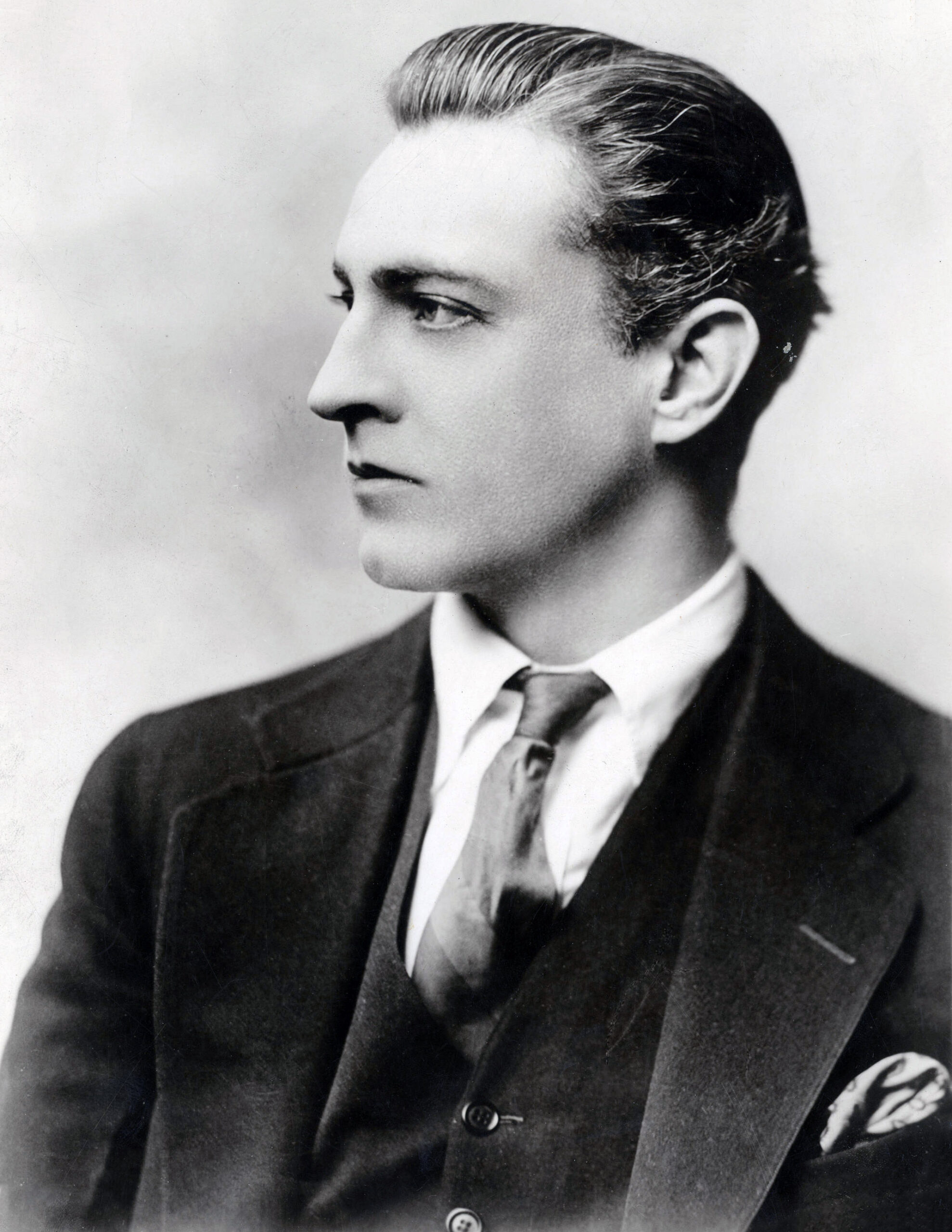
John Barrymore, born February 15, 1882, in Philadelphia, Pennsylvania, was an iconic American actor whose influence on stage and screen remains significant. Known for his striking looks, powerful performances, and tumultuous personal life, Barrymore’s legacy as a member of the legendary Barrymore family is cemented in the annals of Hollywood and theatrical history. This comprehensive exploration delves into his age, rise to fame, and key life highlights, providing detailed insights into his professional journey and personal milestones.
Early Life and Background
John Sidney Blyth Barrymore was born into an illustrious acting family. His father, Maurice Barrymore, and mother, Georgiana Drew, were prominent stage actors, and his siblings, Lionel and Ethel Barrymore, also became celebrated actors. This rich theatrical heritage deeply influenced John’s upbringing and career choice.
Barrymore attended private schools in Philadelphia and New York, including the prestigious Trinity School. Despite his initial ambitions to become an artist, the allure of the stage eventually drew him into the family profession. His early life was marked by a blend of privilege and the pressures of living up to the Barrymore legacy.
Rise to Fame
John Barrymore made his stage debut in 1903 in a minor role in “Magda.” His natural talent and charismatic presence quickly earned him larger roles, and by the 1910s, he had become a leading man on Broadway. His performances in plays like “The Fortune Hunter” (1909) and “The Affairs of Anatol” (1912) showcased his versatility and charm.
Barrymore’s breakthrough role came in 1920 when he starred as Hamlet in a Broadway production of Shakespeare’s tragedy. His portrayal of the Danish prince was hailed as one of the greatest of the 20th century, earning him the nickname “The Great Profile” for his striking features and intense stage presence. This performance solidified his reputation as a serious actor and a leading figure in American theater.
Transition to Film
As the film industry blossomed in the early 20th century, Barrymore made a successful transition from stage to screen. His first significant film role was in “An American Citizen” (1914), and he quickly became a major star in silent films. His performance in “Dr. Jekyll and Mr. Hyde” (1920) is particularly notable, demonstrating his ability to convey complex emotions and character transformations.
Barrymore continued to excel in silent films, with standout performances in “Sherlock Holmes” (1922) and “Beau Brummel” (1924). The advent of sound in cinema did not hinder his career; instead, it provided a new medium for his theatrical talents. His rich, resonant voice added depth to his performances in early talkies, including “Moby Dick” (1930) and “Svengali” (1931).
Personal Life and Relationships
Barrymore’s personal life was as dramatic as his professional career. He was married four times and had numerous high-profile romances. His first marriage to actress Katherine Corri Harris ended in divorce in 1917. He then married poet and playwright Blanche Oelrichs, with whom he had a daughter, Diana Barrymore, who also became an actress. This marriage also ended in divorce.
Barrymore’s third marriage to actress Dolores Costello produced two children, including John Drew Barrymore, who continued the family tradition in acting. His final marriage was to actress Elaine Barrie, which lasted from 1936 to 1940. These tumultuous relationships were often publicized, adding to his legendary status but also contributing to his personal struggles.
Struggles and Decline
Despite his professional success, Barrymore’s life was marred by personal demons, particularly alcoholism. His dependence on alcohol began early in his career and progressively worsened, affecting his health and professional reliability. By the 1930s, his alcoholism had severely impacted his career, leading to erratic behavior and difficulties in securing roles.
Barrymore’s decline was marked by financial troubles and deteriorating health. He continued to work sporadically, often relying on his celebrity status to secure roles. Despite these challenges, he remained a beloved figure in Hollywood, admired for his earlier achievements and enduring charisma.
Later Career and Legacy
In his later years, Barrymore’s career was characterized by a mix of film roles and radio appearances. He starred in several comedies, where he often played parodic versions of himself, reflecting his awareness of his public image. Notable films from this period include “Twentieth Century” (1934) and “Midnight” (1939).
Barrymore’s final years were spent battling the effects of his long-term alcoholism. He died on May 29, 1942, at the age of 60, leaving behind a legacy as one of the most talented and complex actors of his generation. His contributions to both stage and screen have had a lasting impact, influencing countless actors and filmmakers.
Influence and Legacy
John Barrymore’s influence on the acting world is profound. His dynamic stage presence and ability to convey deep emotion set a high standard for future generations of actors. Barrymore’s performances, particularly his portrayal of Hamlet, are still studied and revered for their intensity and skill.
His legacy is also carried on through his family. The Barrymore name remains synonymous with acting excellence, with subsequent generations, including his granddaughter Drew Barrymore, achieving significant success in Hollywood. John Barrymore’s life and career continue to inspire actors and audiences alike, symbolizing both the heights of artistic achievement and the personal struggles that often accompany such success.
Historical Context and Impact
To fully appreciate John Barrymore’s contributions, it is essential to understand the historical context of his career. He emerged during a transformative period in American theater and cinema, witnessing the transition from silent films to talkies and from classical stage acting to more naturalistic film performances.
Barrymore’s ability to adapt to these changes while maintaining his distinct theatrical style highlights his versatility and talent. His career reflects the broader evolution of acting techniques and the growing prominence of film as a dominant cultural medium. Barrymore’s work helped bridge the gap between stage and screen, paving the way for future actors to navigate both worlds.
Challenges and Resilience
Barrymore’s life was marked by significant challenges, including personal demons and professional obstacles. His battle with alcoholism and its impact on his career is a poignant reminder of the pressures faced by actors, both then and now. Despite these struggles, Barrymore’s resilience and dedication to his craft enabled him to achieve remarkable success.
His story is one of both triumph and tragedy, reflecting the dual nature of fame. Barrymore’s ability to overcome early setbacks and establish himself as a leading actor is a testament to his talent and determination. His later struggles, however, underscore the importance of addressing mental health and addiction issues within the entertainment industry.
Personal Traits and Relationships
Barrymore was known for his charm, wit, and larger-than-life personality. His off-screen antics and high-profile romances added to his legend, making him a favorite subject of the press. Despite his flaws, Barrymore’s charisma and talent endeared him to colleagues and audiences alike.
His relationships with fellow actors and industry figures were complex, often characterized by both admiration and rivalry. Barrymore’s interactions with other great actors of his time, such as his brother Lionel and sister Ethel, added a familial dimension to his professional life. These relationships were integral to his career, influencing his choices and shaping his legacy.
Conclusion
John Barrymore’s life and career are a testament to his extraordinary talent and enduring influence on the world of acting. From his early days on the stage to his iconic film roles, Barrymore’s performances have left an indelible mark on both theater and cinema. His ability to navigate the evolving landscape of the entertainment industry, coupled with his personal charm and charisma, cemented his status as a legendary figure in American culture.
Barrymore’s legacy is characterized by his contributions to the arts, his complex personal life, and his enduring impact on future generations of actors. His story serves as a powerful reminder of the highs and lows of fame, highlighting the importance of resilience and dedication in the face of adversity. As we reflect on his life and achievements, John Barrymore remains an iconic figure whose work continues to inspire and captivate audiences around the world.


