
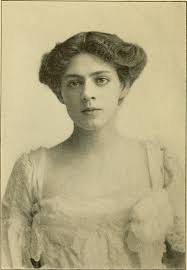
Ethel Barrymore, born Ethel Mae Blythe on August 15, 1879, in Philadelphia, Pennsylvania, was an iconic American actress who made significant contributions to both stage and screen. As a member of the legendary Barrymore family, her career spanned over five decades, making her one of the most respected and beloved figures in the entertainment industry. This comprehensive exploration delves into her age, rise to fame, and key life highlights, providing detailed insights into her professional journey and personal milestones.
Early Life and Background
Ethel Barrymore was born into a family deeply rooted in the theatrical world. Her father, Maurice Barrymore, and mother, Georgiana Drew, were prominent stage actors, and her siblings, Lionel and John Barrymore, also achieved significant fame in the acting world. This illustrious lineage provided Ethel with a rich cultural heritage and an early introduction to the stage.
Barrymore attended Roman Catholic schools in Philadelphia, New York City, and Massachusetts, receiving a well-rounded education that included exposure to the arts. Despite her initial interest in becoming a concert pianist, the allure of the theater eventually drew her into the family profession. Her early life was marked by a blend of privilege and the pressures of living up to the Barrymore legacy.
Rise to Fame
Ethel Barrymore made her stage debut in 1895 in a production of “The Rivals,” a play by Richard Brinsley Sheridan. Her performance quickly garnered attention, showcasing her natural talent and poise. By the turn of the century, she had become a leading lady on Broadway, with standout roles in productions such as “Captain Jinks of the Horse Marines” (1901) and “The Silver Box” (1906).
Her performance in “Captain Jinks of the Horse Marines” was particularly notable, earning her widespread acclaim and establishing her as a major star. Barrymore’s ability to convey a range of emotions and her commanding stage presence made her a favorite among audiences and critics alike. Her success on Broadway paved the way for a long and illustrious career in theater.
Acclaimed Performances
Throughout her career, Ethel Barrymore was celebrated for her performances in a variety of roles, showcasing her versatility and depth as an actress. Some of her most acclaimed performances include her roles in “A Doll’s House” (1905), “Trelawny of the Wells” (1911), and “The Corn Is Green” (1940). Her portrayal of Nora Helmer in “A Doll’s House” demonstrated her ability to tackle complex characters and deliver powerful, nuanced performances.
Barrymore’s role in “The Corn Is Green,” where she played a schoolteacher in a Welsh mining town, was particularly significant. The play, written by Emlyn Williams, was a critical and commercial success, solidifying Barrymore’s reputation as one of the finest actresses of her time. Her performance earned her a Tony Award for Best Actress in a Play, a testament to her enduring talent and impact on the theater.
Transition to Film
In addition to her stage career, Ethel Barrymore made a successful transition to film. She debuted in silent films in the 1910s but found greater success with the advent of sound in cinema. Her distinct voice and expressive acting style translated well to the screen, leading to memorable performances in films such as “None But the Lonely Heart” (1944), for which she won an Academy Award for Best Supporting Actress, and “The Spiral Staircase” (1946).
Barrymore continued to act in films throughout the 1940s and 1950s, often portraying strong, matriarchal characters. Her ability to bring depth and authenticity to her roles made her a sought-after actress in Hollywood. Despite her success in film, Barrymore never abandoned the stage, continuing to perform in theater productions well into her later years.
Personal Life and Relationships
Ethel Barrymore’s personal life was marked by both triumphs and challenges. She married Russell Griswold Colt in 1909, and the couple had three children: Samuel, Ethel, and John. The marriage, however, was tumultuous and ended in divorce in 1923. Despite the challenges in her personal life, Barrymore remained dedicated to her children and her career.
Barrymore’s relationships with her siblings, Lionel and John, were also significant. The Barrymore siblings were often referred to as the “Royal Family of Broadway,” and their close-knit bond and mutual support were well known in the industry. Despite occasional professional rivalries, they maintained a deep affection and respect for one another.
Philanthropy and Advocacy
Beyond her acting career, Ethel Barrymore was known for her philanthropic efforts and advocacy. She was deeply committed to supporting the arts and education, contributing to various charitable causes throughout her life. Barrymore was also an outspoken advocate for actors’ rights, working to improve working conditions and benefits for performers in the early 20th century.
Her involvement in the Actors’ Equity Association, a labor union representing American actors and stage managers, demonstrated her dedication to her fellow actors. Barrymore’s efforts helped pave the way for better wages, working conditions, and professional standards in the theater industry.
Influence and Legacy
Ethel Barrymore’s influence on the entertainment industry is profound. Her contributions to both stage and screen have left a lasting impact, inspiring generations of actors and actresses. Barrymore’s ability to convey deep emotion and her commitment to her craft set a high standard for performance excellence.
Her legacy is also carried on through her family. The Barrymore name remains synonymous with acting excellence, with subsequent generations, including her grandniece Drew Barrymore, achieving significant success in Hollywood. Ethel Barrymore’s life and career continue to inspire actors and audiences alike, symbolizing both the heights of artistic achievement and the personal dedication required to attain it.
Historical Context and Impact
To fully appreciate Ethel Barrymore’s contributions, it is essential to understand the historical context of her career. She emerged during a transformative period in American theater and cinema, witnessing the transition from Victorian melodrama to more modern, realistic forms of performance. Barrymore’s ability to adapt to these changes while maintaining her distinct theatrical style highlights her versatility and talent.
Her career reflects the broader evolution of acting techniques and the growing prominence of film as a dominant cultural medium. Barrymore’s work helped bridge the gap between stage and screen, paving the way for future actors to navigate both worlds. Her performances in both mediums demonstrated the enduring power of storytelling and the impact of dedicated craftsmanship.
Challenges and Resilience
Barrymore’s life was marked by significant challenges, including personal hardships and professional obstacles. Her ability to overcome these challenges and continue to deliver powerful performances is a testament to her resilience and dedication. Despite the pressures of fame and the demands of her career, Barrymore maintained a strong commitment to her craft and her family.
Her story is one of both triumph and adversity, reflecting the dual nature of a life in the spotlight. Barrymore’s ability to navigate the complexities of her personal and professional life with grace and determination serves as an enduring example of resilience and strength.
Personal Traits and Relationships
Barrymore was known for her grace, intelligence, and strong will. Her off-stage persona was characterized by a blend of charm and assertiveness, qualities that endeared her to colleagues and audiences alike. Despite the pressures of her career, Barrymore remained grounded and focused on her craft.
Her relationships with fellow actors and industry figures were complex, often characterized by mutual admiration and respect. Barrymore’s interactions with other great actors of her time, including her siblings Lionel and John, added a familial dimension to her professional life. These relationships were integral to her career, influencing her choices and shaping her legacy.
Conclusion
Ethel Barrymore’s life and career are a testament to her extraordinary talent and enduring influence on the world of acting. From her early days on the stage to her iconic film roles, Barrymore’s performances have left an indelible mark on both theater and cinema. Her ability to navigate the evolving landscape of the entertainment industry, coupled with her personal grace and resilience, cemented her status as a legendary figure in American culture.
Barrymore’s legacy is characterized by her contributions to the arts, her philanthropic efforts, and her enduring impact on future generations of actors. Her story serves as a powerful reminder of the highs and lows of a life dedicated to performance, highlighting the importance of resilience, dedication, and passion in achieving lasting success. As we reflect on her life and achievements, Ethel Barrymore remains an iconic figure whose work continues to inspire and captivate audiences around the world.


