
Introduction
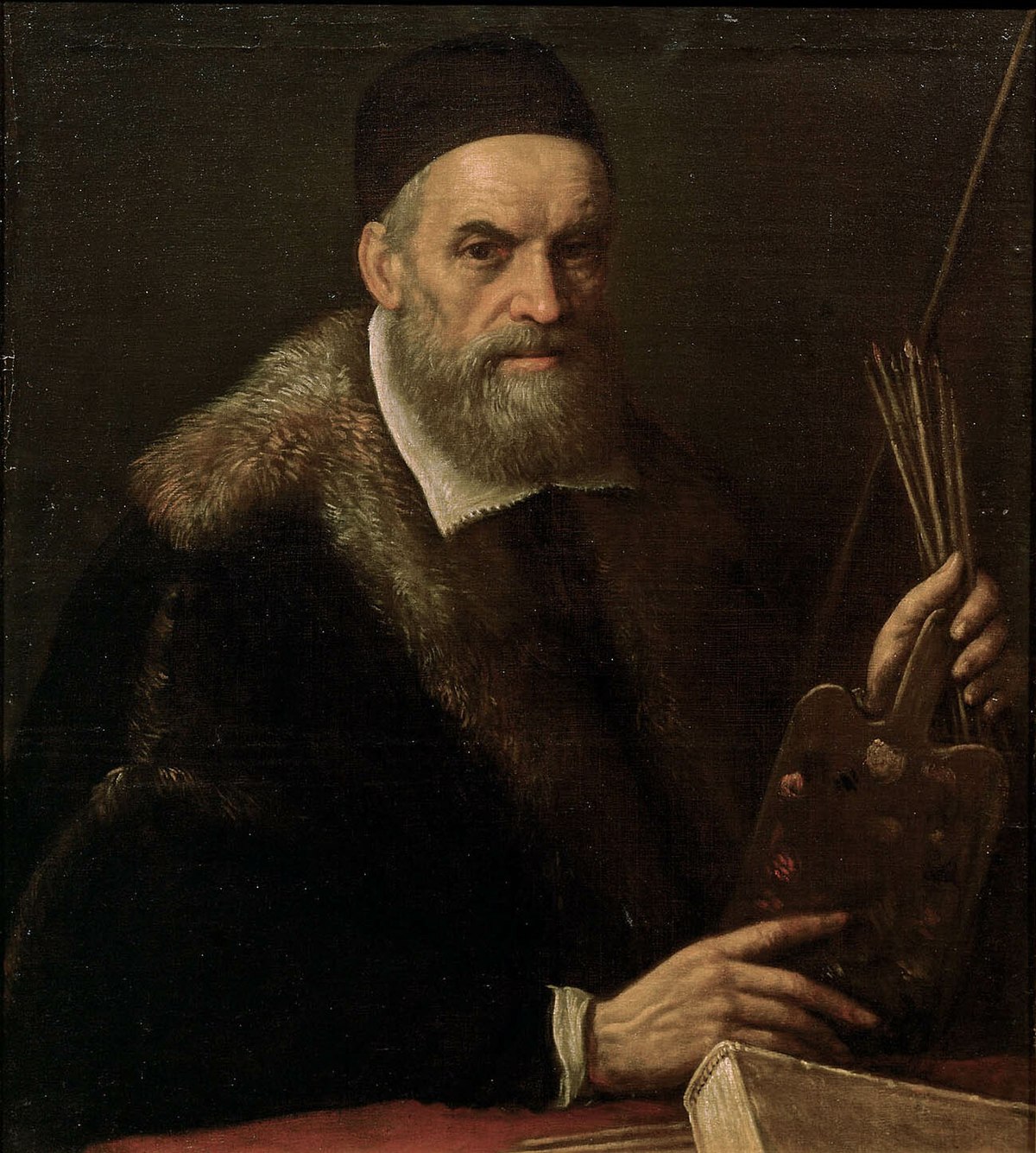
Jacopo Bassano, also known as Jacopo dal Ponte, was a prominent figure in the world of Renaissance art. Born between 1510 and 1515 in Bassano del Grappa, his contributions to art, particularly his innovative use of color and light, have made a lasting impact on the field. This article delves into the life, achievements, and enduring legacy of Jacopo Bassano, exploring the nuances of his artistic journey and the historical context in which he thrived.
Early Life and Background
Family and Birth
Jacopo Bassano was born into an artistic family. His grandfather, Jacopo di Berto, settled in Bassano del Grappa in 1464, establishing a leather shop near the wooden bridge over the Brenta River, which led to the family surname “dal Ponte.” His father, Francesco dal Ponte the Elder, was a painter with a workshop in the same area. This artistic environment undoubtedly influenced Jacopo’s early development and exposure to art.
Initial Training
Jacopo began his artistic training under the guidance of his father. His innate talent quickly became evident, and he soon surpassed his initial teachings. During the 1530s and 1540s, it is believed that Jacopo encountered the renowned painter Tiziano Vecellio (Titian) during his stays in Venice. This encounter, along with his training under Bonifacio dé Pitati in Venice, significantly shaped his artistic style.
Artistic Evolution
Early Works and Influence of Titian
Jacopo Bassano’s official debut came with “The Flight into Egypt” in 1532. This painting showcased his ability to integrate characters into the Venetian landscape, characterized by vibrant and compact colors. The influence of Pordenone’s plasticity and the emerging Mannerist style marked his early works during the 1540s.
Marriage and Personal Life
In 1546, Jacopo married Elisabetta Merzari, with whom he had eight children. His family life in Bassano del Grappa remained closely intertwined with his artistic endeavors, with several of his children later becoming notable painters themselves.
Mid-Career Developments
The central years of the 16th century saw Jacopo’s return to a new form of naturalism. His works from this period are distinguished by the use of light that focuses on the central points of the scene. Notable examples include “Saint John the Baptist in the Wilderness,” where light and color interplay to shape the forms within the painting.
Exploration of Biblical and Pastoral Themes
From the 1560s onwards, Jacopo delved deeper into biblical and pastoral subjects, often highlighting the landscape as a predominant element in his compositions. This period of his career saw a significant evolution in his technique, with a noticeable transition to a style where light permeates the colors, exemplified in works such as “Saint Lucilla.”
Later Years and Artistic Legacy
In the later years of his career, Jacopo’s paintings evolved towards a touch-based technique, with a pronounced emphasis on light interacting with color. His nocturnal scenes, which anticipated the baroque sensibilities of the 17th century, stand out as particularly innovative.
Death and Posthumous Recognition
Jacopo Bassano passed away in his hometown of Bassano del Grappa on February 13, 1592. Despite his passing, his artistic legacy continued to flourish, with his works gaining greater recognition and appreciation over the centuries.
Historical Context and Influence
Renaissance Art and Innovations
Jacopo Bassano’s contributions must be viewed within the broader context of Renaissance art, a period marked by a revival of classical ideals and an emphasis on humanism. His ability to blend vibrant color schemes with realistic depictions of everyday life set him apart from many of his contemporaries. The incorporation of naturalistic elements into biblical and mythological scenes was a testament to his innovative approach.
Influence on Future Generations
Jacopo’s influence extended beyond his lifetime, impacting both his contemporaries and future generations of artists. His sons, Francesco the Younger, Giovanni Battista, Leandro, and Girolamo, continued his artistic legacy, establishing the Bassano family as a significant force in Venetian painting. Additionally, his works influenced the development of chiaroscuro techniques, which played a crucial role in the Baroque period.
Notable Works and Achievements
“The Flight into Egypt”
One of Jacopo’s early masterpieces, “The Flight into Egypt,” marked his official entry into the art world. This work is celebrated for its vibrant use of color and the seamless integration of figures into the Venetian landscape.
“Saint John the Baptist in the Wilderness”
This painting exemplifies Jacopo’s mid-career shift towards naturalism, with a focus on light and color to create a realistic depiction of the saint in a serene, yet dramatic, wilderness setting.
“Saint Lucilla”
“Saint Lucilla” is notable for its innovative use of light and color, demonstrating Jacopo’s mature style. The interplay of light within the scene creates a sense of depth and realism, highlighting his mastery of the medium.
Conclusion
Jacopo Bassano’s life and work offer a fascinating glimpse into the evolution of Renaissance art. His innovative techniques, particularly in the use of color and light, set him apart as a pioneering figure. From his early training in his father’s workshop to his encounters with Titian and his exploration of biblical and pastoral themes, Jacopo’s artistic journey is a testament to his enduring legacy. His influence on future generations, including his own children, and his contributions to the development of chiaroscuro techniques underscore his significance in the history of art.


