
Introduction
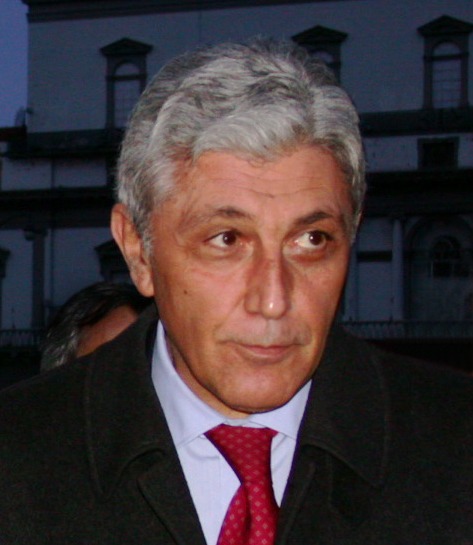
Antonio Bassolino is a prominent Italian politician known for his significant contributions to the political landscape of Italy, particularly in the regions of Naples and Campania. Born on March 20, 1947, in Afragola, Naples, Bassolino’s political career has been marked by his roles within the Italian Communist Party (PCI), his tenure as the Mayor of Naples, and his time as the President of the Campania region. This comprehensive article explores Bassolino’s life, career, and the impact of his political work, offering insights into his journey and achievements.
Early Life and Political Beginnings
Childhood and Education
Antonio Bassolino was born in Afragola, a town in the Naples metropolitan area. He grew up in a region known for its vibrant culture and complex social and economic challenges. From a young age, Bassolino showed a keen interest in politics and social issues, a passion that would shape his future career.
Entry into Politics
Bassolino’s political career began at the age of 17 when he joined the youth federation of the Italian Communist Party (PCI). His dedication and political acumen quickly propelled him through the ranks. By 1971, he had become the secretary of the PCI federation in Avellino, a position he held until 1975. His success in this role led to his appointment as the regional secretary of the PCI in Campania, a position he held from 1976 to 1983.
Rise in the Italian Communist Party
National Roles and Responsibilities
Bassolino’s influence extended beyond regional politics. In 1972, he was elected to the Central Committee of the PCI, and in 1979, he joined the party’s National Directorate. His responsibilities included overseeing the national commission for the Mezzogiorno (southern Italy) and later the national commission for labor. These roles allowed Bassolino to address critical issues affecting southern Italy, including economic development and employment.
Political Strategy and Mediation
Throughout his time with the PCI, Bassolino was known for his strategic thinking and mediation skills. During the PCI’s transition to the Democratic Party of the Left (PDS) under Achille Occhetto, Bassolino played a crucial role in facilitating a smooth transition. He presented a personal motion at the Rimini Congress, advocating for a peaceful and constructive shift from the PCI to the PDS.
Mayor of Naples
Election and Early Challenges
In 1993, Antonio Bassolino was appointed as the commissioner of the PCI federation in Naples, following the Tangentopoli corruption scandal that had rocked Italian politics. His reputation as a strong and capable leader led to his candidacy in the Naples mayoral election later that year. Bassolino won the election, defeating Alessandra Mussolini in the runoff, and assumed the role of Mayor of Naples.
Transforming Naples
As mayor, Bassolino initiated a series of reforms aimed at revitalizing Naples, a city plagued by economic and social problems. His efforts focused on urban renewal, infrastructure development, and tackling organized crime. Under his leadership, Naples experienced a significant transformation, earning him national and international recognition for his effective governance.
Re-election and Continued Success
Bassolino’s success as mayor was evident in his re-election in 1997, where he won with an overwhelming 72.9% of the vote. His second term saw continued progress in urban development and social reforms, further solidifying his reputation as a capable and committed leader.
Minister of Labor and Regional Leadership
Appointment as Minister of Labor
In 1998, Bassolino was appointed as Italy’s Minister of Labor in the cabinet of Prime Minister Massimo D’Alema. Balancing his dual roles as mayor and minister, Bassolino focused on addressing unemployment and labor issues in Italy. However, the demands of managing both positions led him to resign from his ministerial role in 1999 to concentrate on his responsibilities in Naples.
President of Campania
In 2000, Bassolino transitioned from municipal to regional politics by running for President of the Campania region. He won the election and assumed office, focusing on regional development and addressing the socio-economic challenges facing Campania. His tenure was marked by efforts to improve infrastructure, healthcare, and education in the region.
Re-election and Controversies
Bassolino was re-elected as President of Campania in 2005 with 61.6% of the vote. However, his second term was not without controversy. Critics accused him of abandoning Naples for regional politics and of exhibiting excessive ambition. Additionally, his administration faced challenges related to waste management and public services, issues that plagued the region and drew significant public and media scrutiny.
Personal Life and Publications
Family and Personal Interests
Antonio Bassolino is married to Anna Maria Carloni, who served as a senator in Italy’s XV and XVI legislatures. The couple’s partnership has been both personal and political, with Carloni often supporting Bassolino’s initiatives and campaigns. Despite the pressures of his political career, Bassolino has maintained a close-knit family life.
Writing and Public Speaking
In addition to his political career, Bassolino has been an active writer and public speaker. He has authored several essays and books, including “Mezzogiorno alla prova” (1980) and “La repubblica delle città” (1996). These works reflect his deep understanding of the socio-economic issues facing southern Italy and his vision for urban and regional development. Bassolino’s publications have contributed to public discourse on key political and social topics, further establishing him as a thought leader in Italian politics.
Legacy and Impact
Contributions to Naples and Campania
Antonio Bassolino’s legacy is closely tied to his transformative impact on Naples and Campania. His efforts to revitalize Naples during his tenure as mayor are widely acknowledged as a significant turning point for the city. By addressing urban decay, improving public services, and promoting economic development, Bassolino helped lay the foundation for a more vibrant and dynamic Naples.
Challenges and Criticisms
While Bassolino’s achievements are notable, his career has also faced criticism. The waste management crisis in Campania during his presidency drew widespread criticism and highlighted the complexities of regional governance. Despite these challenges, Bassolino’s commitment to public service and his ability to navigate difficult political landscapes underscore his resilience and determination.
Influence on Italian Politics
Bassolino’s influence extends beyond regional politics. His roles within the PCI, PDS, and later as a regional leader have left an indelible mark on Italian politics. His ability to mediate and facilitate transitions within the party, along with his strategic approach to governance, have earned him respect across the political spectrum. Bassolino’s career exemplifies the challenges and rewards of political leadership in Italy’s complex political environment.
Conclusion
Antonio Bassolino’s political journey is a testament to his dedication, resilience, and vision. From his early days in the Italian Communist Party to his transformative tenure as Mayor of Naples and President of Campania, Bassolino has played a pivotal role in shaping the political and social landscape of southern Italy. His legacy is one of both significant achievements and formidable challenges, reflecting the complexities of political leadership. As a respected politician and thought leader, Bassolino’s contributions continue to influence Italian politics and inspire future generations of leaders.


