
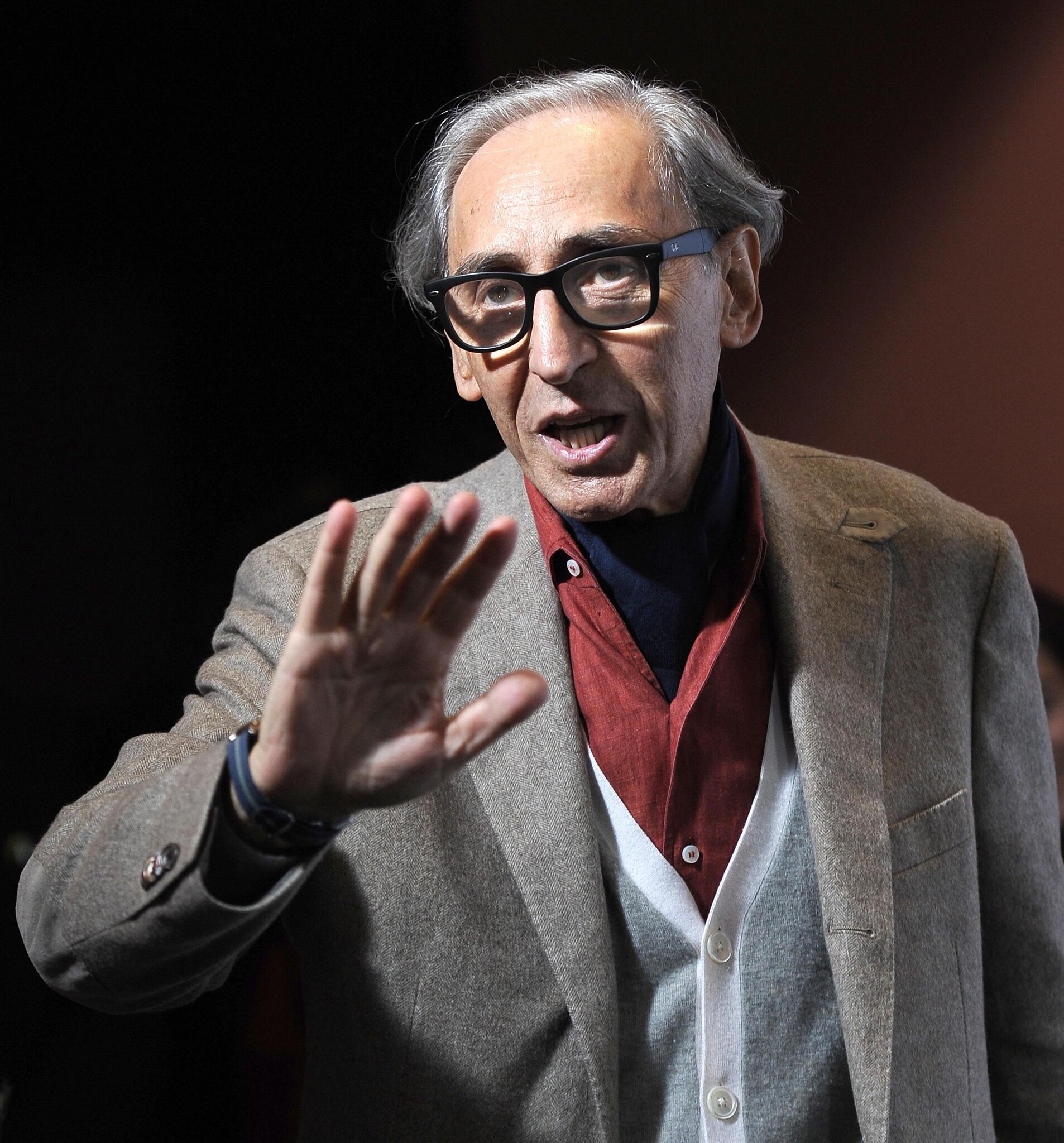
Franco Battiato, born Francesco Battiato on March 23, 1945, in Ionia, a small town in the province of Catania, Italy, was a multifaceted and highly influential artist. Renowned for his contributions to various musical genres, including pop, electronic, classical, and opera, Battiato’s career was marked by an extraordinary range and a profound depth of artistic exploration. This article delves into the life highlights of Franco Battiato, exploring his achievements, contributions, and the enduring legacy he left behind.
Early Life and Musical Beginnings
Franco Battiato’s early life was deeply rooted in his Sicilian heritage. Growing up in Ionia, he was exposed to a rich cultural environment that would later influence his eclectic musical style. His early foray into the music world was guided by his innate curiosity and desire to experiment with different sounds and genres.
Battiato’s musical journey began in the late 1960s when he started making a name for himself in the Italian music scene. His early work was characterized by a blend of experimental and avant-garde elements, which set him apart from his contemporaries. He adopted the name Franco, a suggestion from his friend Giorgio Gaber, as he embarked on his professional career.
Experimental Phase and Early Recordings
In the early 1970s, Franco Battiato became actively involved in the European experimental music scene. His initial recordings, released between 1971 and 1975 under the experimental label Bla Bla, were groundbreaking. These albums, including “Fetus,” “Pollution,” “Sulle corde di Aries,” “Clic,” and “Madamoiselle le Gladiator,” showcased his willingness to push musical boundaries.
During this period, Battiato’s work was marked by its originality and evocative titles. His music combined elements of electronic, progressive rock, and avant-garde, reflecting his innovative approach to composition. Despite the critical acclaim, his early albums did not achieve commercial success, leading to his departure from Ricordi, his first major record label.
Transition to Popular Music
Battiato’s move to EMI in the late 1970s marked a significant turning point in his career. He transitioned from his earlier experimental style to a more accessible pop sound, while still maintaining his intellectual and avant-garde edge. This shift was evident in his 1979 album “L’Era del Cinghiale Bianco,” which featured a blend of pop melodies and sophisticated lyrical content.
The release of “L’Era del Cinghiale Bianco” disoriented some of his early fans but attracted a broader audience. This album marked the beginning of Battiato’s commercial success, paving the way for subsequent albums that would further solidify his reputation as a versatile and innovative artist.
Breakthrough with “La voce del padrone”
The year 1981 saw the release of “La voce del padrone,” an album that catapulted Franco Battiato to national and international fame. This record was a commercial triumph, staying at the top of the Italian charts for an entire year and selling over a million copies. Songs like “Cuccurucucù” and “Centro di gravità permanente” became iconic, embedding themselves into the cultural fabric of Italy.
“La voce del padrone” represented a perfect blend of pop sensibility and intellectual depth, a hallmark of Battiato’s music. The success of this album established him as a major force in the Italian music industry, capable of appealing to both mainstream audiences and critics.
Continued Success and Exploration in the 1980s
Following the success of “La voce del padrone,” Battiato released several albums that continued to explore new musical territories while maintaining his commercial appeal. Albums like “L’arca di Noè” (1982), “Orizzonti perduti” (1983), and “Mondi lontanissimi” (1985) showcased his ability to blend different genres and styles seamlessly.
In 1985, Battiato founded his own record label, L’Ottava, in collaboration with Longanesi. This move provided him with greater creative control and the ability to produce music that aligned with his artistic vision. His collaboration with philosopher Manlio Sgalambro began during this period, further enriching his lyrical content.
Focus on Opera and Classical Music
The late 1980s and early 1990s marked another significant phase in Franco Battiato’s career, as he shifted his focus towards classical and operatic music. His first opera, “Genesi,” premiered at the Teatro Regio di Parma in 1987 to critical acclaim. This ambitious project demonstrated Battiato’s versatility and his ability to transcend traditional genre boundaries.
Battiato continued to explore classical music with albums like “Fisiognomica” (1988) and “Come un cammello in una grondaia” (1991). The latter album included the politically charged song “Povera Patria,” a poignant commentary on the state of Italy. His second opera, “Gilgamesh,” debuted at the Teatro dell’Opera di Roma in 1992, further cementing his reputation as a composer of serious music.
Return to Pop and Later Career
In the mid-1990s, Franco Battiato returned to the pop music scene with renewed vigor. His 1996 album “L’imboscata” featured the hit song “La cura,” which was awarded the prize for best song of the year. This period also saw him embarking on extensive tours, performing in various prestigious venues and festivals.
Battiato’s subsequent albums, including “Gommalacca” (1998) and “Fleurs” (1999), continued to showcase his innovative approach to music. “Fleurs” was a critically acclaimed collection of cover songs, demonstrating his ability to reinterpret and breathe new life into existing compositions.
The 2000s and Cinematic Ventures
The 2000s saw Franco Battiato expanding his artistic horizons further by venturing into filmmaking. In 2003, he made his directorial debut with the film “Perdutoamor,” which received positive reviews. His interest in visual arts and cinema added another dimension to his already diverse artistic portfolio.
Battiato also remained active in music during this period, releasing albums like “Dieci stratagemmi” (2004) and “Il vuoto” (2007). His work continued to be characterized by a blend of philosophical introspection, cultural commentary, and musical innovation.
Political Involvement and Final Years
In addition to his artistic pursuits, Franco Battiato briefly ventured into politics. In 2012, he was appointed as the Regional Minister for Tourism and Entertainment in Sicily, although his tenure was short-lived. Despite the brevity of his political career, his appointment highlighted his commitment to contributing to society in various capacities.
Battiato’s final album, “Torneremo ancora,” was released in 2019. This album, which featured a mix of new songs and reinterpretations of his earlier work, marked the end of an illustrious career. His health had been deteriorating, and he eventually retired from public life.
Franco Battiato passed away on May 18, 2021, at the age of 76, in his home in Milo, Catania. His death marked the end of an era for Italian music, but his legacy continues to inspire and influence artists and music lovers worldwide.
Legacy and Impact
Franco Battiato’s legacy is profound and far-reaching. His ability to seamlessly transition between different musical genres and his willingness to experiment with new sounds and ideas set him apart as one of the most innovative and influential artists of his time. His work has left an indelible mark on the Italian music scene and continues to resonate with audiences across the globe.
Battiato’s music often explored themes of spirituality, philosophy, and existentialism, reflecting his deep intellectual curiosity and introspective nature. His collaborations with other artists, including his long-time partnership with Manlio Sgalambro, enriched his music with profound lyrical content and philosophical depth.
In addition to his musical achievements, Battiato’s contributions to cinema and visual arts demonstrated his versatility and creative spirit. His ability to express himself through multiple artistic mediums is a testament to his exceptional talent and enduring influence.
Historical Context and Cultural Significance
Franco Battiato’s career spanned several decades, during which he witnessed and contributed to significant cultural and social changes in Italy. His music often reflected the zeitgeist of the times, addressing contemporary issues and exploring timeless themes.
The 1970s and 1980s, a period of great social and political upheaval in Italy, saw Battiato experimenting with avant-garde and electronic music. His work during this time challenged conventional norms and pushed the boundaries of what was considered mainstream music.
In the 1990s and 2000s, Battiato’s return to classical and operatic music, combined with his continued exploration of pop and rock, mirrored the eclectic and diverse cultural landscape of the era. His willingness to engage with different artistic forms and genres made him a unique and influential figure in the Italian cultural scene.
Conclusion
Franco Battiato’s life and career were characterized by an extraordinary breadth of artistic exploration and a deep commitment to innovation and creativity. From his early experimental works to his later successes in pop, classical, and cinematic endeavors, Battiato’s contributions to the arts have left an enduring legacy.
His ability to blend intellectual depth with popular appeal, and his willingness to continually evolve and experiment, set him apart as one of the most significant and influential artists of his generation. Franco Battiato’s music, films, and writings continue to inspire and resonate with audiences worldwide, ensuring that his legacy will endure for generations to come.


