
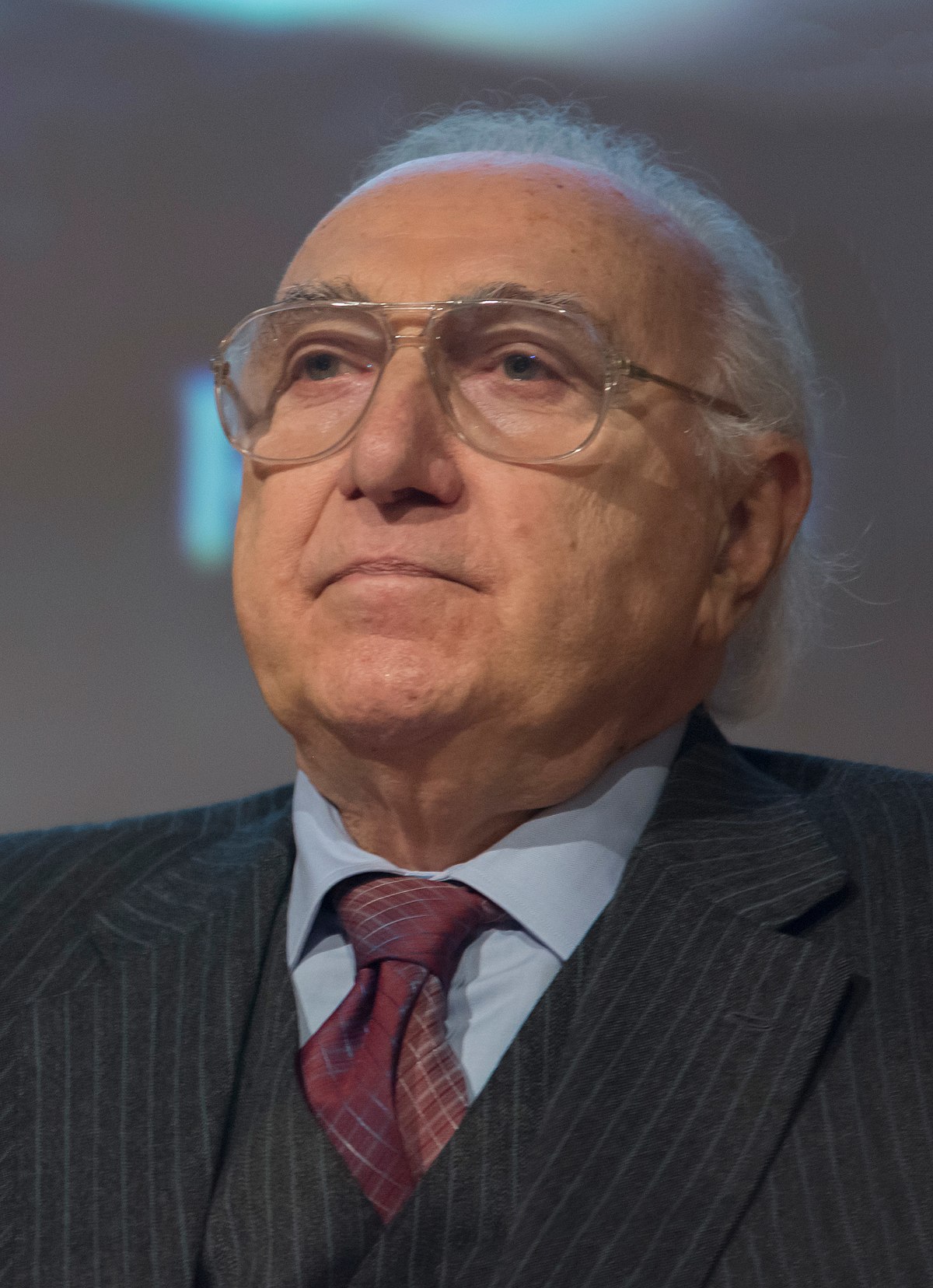
Pippo Baudo, a legendary figure in Italian television, has carved a niche for himself as one of the most recognizable and influential television presenters in Italy. Born Giuseppe Raimondo Vittorio Baudo on June 7, 1936, in Militello in Val di Catania, Sicily, Baudo’s career spans over six decades, during which he has become a household name. This article delves into his age, his rise to fame, and the significant highlights of his illustrious life, providing detailed insights and explanations.
Early Life and Education
Baudo’s journey to stardom began in Sicily. He exhibited a flair for the arts from a young age, a passion that he nurtured alongside his academic pursuits. Despite his growing interest in entertainment, Baudo pursued a formal education, earning a degree in law from the University of Catania in 1959. The legend has it that the day before his graduation, he participated in presenting the “Miss Sicilia” beauty pageant and returned just in time to complete his final exams.
Entry into Television
Baudo’s initial foray into television came in 1960 when he moved to Rome. He began presenting shows such as “Guida degli emigranti” and “Primo piano.” However, his big break came in 1966 with “Settevoci,” a musical program aired on Sunday afternoons. Initially intended to run for only six episodes, the show’s immense popularity established Baudo as a prominent figure in Italian television.
The Sanremo Music Festival
One of the defining aspects of Baudo’s career is his long association with the Sanremo Music Festival. He first hosted the festival in 1968, a year after the tragic death of singer Luigi Tenco. Baudo’s ability to handle the festival’s delicate atmosphere with grace and professionalism won him accolades. He went on to host the festival a record thirteen times, solidifying his status as the face of Sanremo.
The 1970s and 1980s: Peak of Television Success
Baudo’s career flourished in the 1970s and 1980s. In 1972, he made a successful theatrical appearance alongside Sandra Mondaini in a play adapted by Maurizio Costanzo. That same year, he began hosting “Canzonissima,” partnering with Loretta Goggi and working with notable authors Marcello Marchesi and Dino Verde.
Throughout the 1970s, Baudo hosted a series of successful shows, including “La freccia d’oro,” “Senza rete,” “Spaccaquindici,” and “Un colpo di fortuna.” His popularity soared with “Domenica in,” a Sunday variety show he hosted from 1979 to 1985, and “Fantastico,” a Saturday night show from 1984 to 1986.
Baudo’s talent for discovering new talent also came to the fore during this period. He introduced viewers to future stars like Lorella Cuccarini, Heather Parisi, and Beppe Grillo.
The 1990s: Continued Success and Challenges
The 1990s brought continued success for Baudo, albeit with some challenges. He briefly left RAI for Fininvest in 1987 but returned to RAI a year later. His shows during this decade included “Gran Premio,” “Varietà,” “Domenica in,” “Partita doppia,” “C’era due volte,” “Numero Uno,” “Tutti a casa,” “Luna Park,” “Papaveri e papere,” and “Mille lire al mese.”
Baudo also took on the role of artistic director of the Sanremo Music Festival, a position he held for several years, further cementing his association with the prestigious event.
The 2000s: Reinvention and Recognition
The 2000s saw Baudo reinventing himself while continuing to stay relevant in the ever-evolving television landscape. In 2000, he hosted “Nel cuore del padre” in honor of Al Bano Carrisi and found success with “Novecento – Giorno dopo giorno,” a program revisiting significant 20th-century events.
Baudo faced personal and professional challenges in 2004, including a separation from his wife, Katia Ricciarelli, after 18 years of marriage and a high-profile conflict with RAI’s general director, which led to his dismissal. However, his resilience shone through as he returned to RAI with “Domenica In” in 2005 and later hosted the Sanremo Music Festival again in 2007 and 2008, setting a record for the most editions hosted.
Personal Life
Baudo’s personal life has been as eventful as his career. He has two children: Fabrizia, from his first marriage, and Alessandro, whom he could not recognize at birth because Alessandro’s mother was married to another man at the time. Baudo eventually confirmed Alessandro as his son after the death of the mother’s husband, leading to Baudo becoming a grandfather and great-grandfather.
Historical Context and Influence
Baudo’s career must be understood within the broader context of Italian television’s evolution. He began his career when television was still a relatively new medium in Italy, and his contributions have significantly shaped its development. Baudo’s ability to adapt to changing trends and his knack for discovering new talent have ensured his lasting impact on Italian entertainment.
Baudo’s work is characterized by a deep understanding of the cultural and social dynamics of his audience. His shows often combined entertainment with a reflection of contemporary Italian society, making them resonate with a wide range of viewers. His commitment to professionalism and quality has set a benchmark in the industry.
Legacy and Continuing Influence
Pippo Baudo’s influence on Italian television is undeniable. He has been a mentor to many and a pioneer in various aspects of television production and presentation. His career, spanning over six decades, is a testament to his adaptability, talent, and dedication to the medium.
Baudo’s legacy extends beyond his on-screen work. His behind-the-scenes contributions as a director, producer, and talent scout have left an indelible mark on the industry. His ability to recognize and nurture talent has given rise to many stars who continue to shine in Italian entertainment.
Conclusion
Pippo Baudo’s life and career are a testament to his enduring talent and influence in Italian television. From his early days in Sicily to becoming a national icon, Baudo’s journey reflects his passion for entertainment and his commitment to excellence. His contributions to the Sanremo Music Festival, his discovery of new talent, and his ability to reinvent himself over the decades have solidified his place in the annals of Italian television history.
Baudo’s story is one of resilience, adaptability, and unwavering dedication to his craft. As he continues to inspire new generations of entertainers, his legacy remains a cornerstone of Italian culture.


