
Introduction
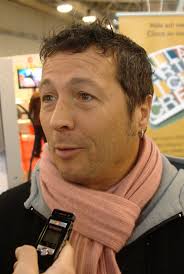
Paolo Belli, born on March 21, 1962, in Carpi, Modena, Italy, is a celebrated Italian singer, musician, and television personality. Known for his energetic performances and contributions to the Italian music scene, Belli’s career spans several decades, marked by numerous hits and collaborations with notable artists. This article delves into his age, fame, and significant life highlights, providing a comprehensive look at his journey in the entertainment industry.
Early Life and Musical Beginnings
Childhood and Early Passion for Music
Paolo Belli developed a passion for music at an early age. He started taking piano lessons at six and later enrolled in the conservatory of Reggio Emilia. By the age of 13, Belli began composing his own songs, drawing inspiration from Rhythm & Blues. His early exposure to music set the foundation for his future career in the industry.
Forming Ladri di Biciclette
In the early 1980s, Belli formed a band with local musicians, naming it “Ladri di Biciclette” (Bicycle Thieves) after his love for Italian neorealism and classic cinema, including the works of Totò, Alberto Sordi, and Vittorio De Sica. The band quickly gained a reputation for their lively performances and creative songwriting.
Rise to Fame: Ladri di Biciclette
Breakthrough at Sanremo Music Festival
In 1989, Ladri di Biciclette participated in the prestigious Sanremo Music Festival with their song “Ladri di Biciclette.” Although they were eliminated from the competition, the exposure catapulted them to fame. Their music resonated with audiences, leading to commercial success and critical acclaim.
Touring with Vasco Rossi and Festivalbar Success
Following their Sanremo debut, the band opened for Vasco Rossi during his tour and released the hit single “Dr. Jazz & Mr. Funk.” This song became a summer anthem, and their energetic performances won them the Festivalbar competition, further cementing their place in the Italian music scene. Their debut album, “Ladri di Biciclette,” sold over 150,000 copies.
Collaborations and Subsequent Success
In 1990, the band collaborated with Francesco Baccini on the song “Sotto Questo Sole,” which topped the charts for seven months. Their second album, “Figli di un Do Minore,” was released in 1991, featuring the Sanremo entry “Sbatti Ben Su del Bebop.” However, Belli soon decided to pursue a solo career, parting ways with the band.
Solo Career and Expanding Horizons
Debut Solo Album
In 1993, Belli released his first solo album, “Paolo Belli & Rhythm Machine.” This marked the beginning of his solo journey, characterized by collaborations with various artists, including Sam Moore, Billy Preston, Jon Hendricks, Jimmy Whiterspoon, Luciano Ligabue, Piero Chiambretti, Enzo Jannacci, Fabio Fazio, Litfiba, Red Ronnie, Paolo Rossi, and Gialappa’s Band.
Continued Success and Iconic Hits
Belli’s solo work was well-received, and he continued to release successful albums. His 1994 album “Solo,” produced by Alberto Pirelli, featured the hit single “M’hanno lasciato qui,” whose music video won the best video award from Videomusic. Belli’s dynamic stage presence and musical versatility endeared him to audiences across Italy.
Memorable Performances and Collaborations
Belli’s passion for music and performance saw him take part in numerous high-profile events. In 1996, he performed his song “Adesso Grido” at the UEFA Champions League final in Rome. He also played at the “Clio RDS Live2” concert in Palermo and collaborated with Dan Aykroyd during a performance in Rome, which was broadcast live on RaiTre.
Television Career and Continued Musical Impact
Transition to Television
In January 2000, Belli’s career took a new turn when he joined the cast of “Torno Sabato,” a popular television show hosted by Giorgio Panariello. His performances on the show, alongside artists like Wilson Pickett, Giorgia, Al Jarreau, and Kid Creole, showcased his talent to a broader audience.
Hosting and Appearances
Belli became a regular fixture on Italian television, appearing on shows like “Sanremo Estate 2000,” hosted by Carlo Conti. His charm and musical talent made him a favorite among viewers. He also composed the soundtrack for Panariello’s film “Al momento giusto,” including the song “Ma quando non sei qui.”
Sanremo Music Festival Return
In 2009, Belli returned to the Sanremo Music Festival, collaborating with Pupo and Senegalese singer Youssou N’Dour on the song “L’opportunità.” The performance marked a significant milestone in his career, reflecting his enduring influence in the Italian music scene.
Personal Life and Advocacy
Family and Personal Challenges
Belli has been open about the personal challenges he has faced throughout his career. Despite his public persona, he has dealt with personal struggles, including the complexities of balancing his professional and personal life. His resilience and dedication to his craft have remained constant, earning him admiration and respect from fans and peers alike.
Advocacy and Charity Work
Beyond his musical career, Belli is deeply involved in charitable activities. He is an active member of the “Nazionale Italiana Cantanti,” a charity football team composed of Italian singers that raises funds for various causes. He also supports “Rock No War,” an organization dedicated to humanitarian efforts.
Legacy and Impact on Italian Music
Musical Style and Influence
Paolo Belli’s music blends elements of funk, swing, and traditional Italian pop, creating a unique sound that resonates with a wide audience. His ability to infuse his songs with humor, social commentary, and infectious energy has made him a beloved figure in Italian music.
Cultural Contributions
Belli’s contributions to Italian culture extend beyond music. His appearances on television and involvement in charitable activities have solidified his status as a versatile and influential public figure. His work continues to inspire new generations of musicians and entertainers.
Continued Relevance
Even after decades in the industry, Belli remains a relevant and dynamic force in Italian entertainment. His ongoing projects and performances ensure that his influence will continue to be felt in the years to come.
Conclusion
Paolo Belli’s journey from a young musician in Carpi to a celebrated figure in Italian music and television is a testament to his talent, perseverance, and passion for the arts. His extensive body of work, marked by memorable songs, lively performances, and meaningful collaborations, has left an indelible mark on the Italian cultural landscape. As he continues to engage with audiences and contribute to the industry, Belli’s legacy as an entertainer and advocate for social causes remains firmly established.


