
Introduction
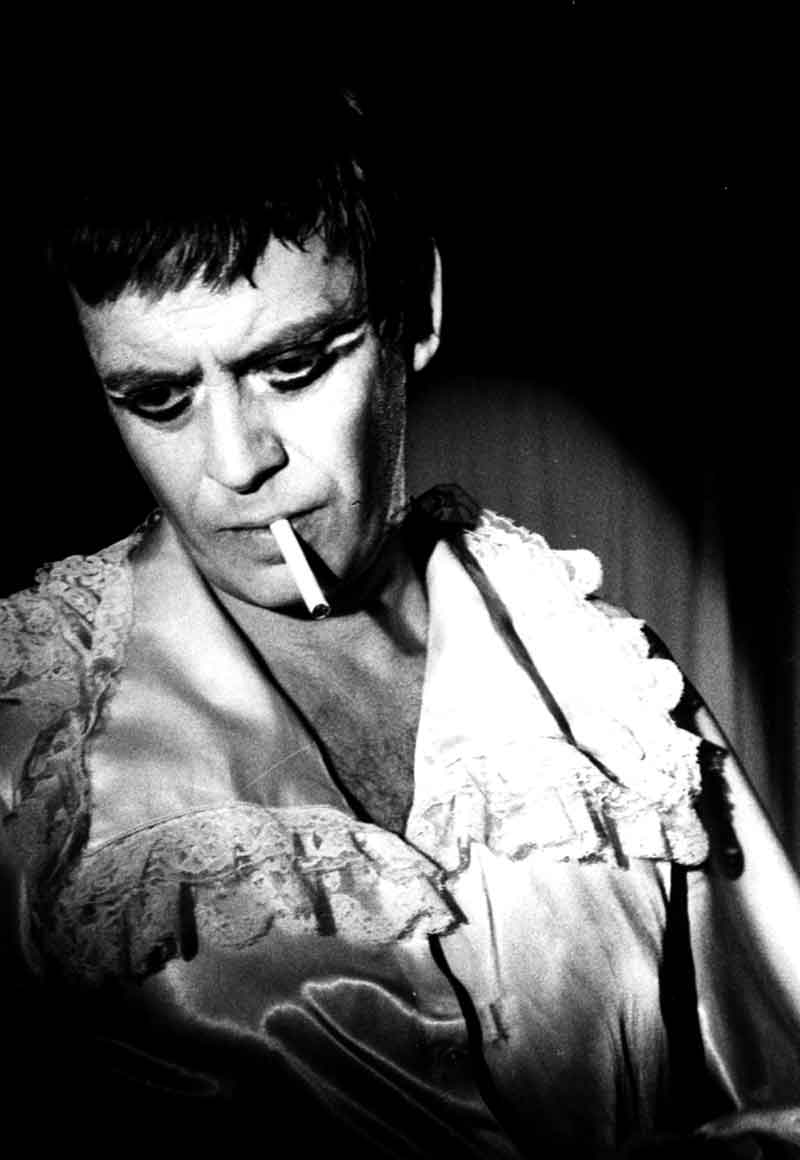
Carmelo Bene, born Carmelo Pompilio Realino Antonio Bene on September 1, 1937, in Campi Salentina, Lecce, Italy, is a towering figure in Italian theater, known for his revolutionary approach to performance and his unorthodox methods. His life and career have been marked by a relentless quest to redefine the boundaries of theater, cinema, and literature. This article delves into the age, fame, and life highlights of Carmelo Bene, providing detailed insights and explanations, and exploring the nuances and historical context of his work.
Early Life and Background
Family and Heritage
Carmelo Bene was born into a family with strict and rigid values. His upbringing in Campi Salentina was characterized by discipline, which may have fueled his later rebellion against traditional forms and norms in the arts. Bene’s early years were spent in relative quietude, a stark contrast to the explosive creativity that would later define his career.
Education and Early Interests
Bene’s formal education began at a Jesuit college, where he received a classical education. This period was crucial in shaping his intellectual foundation and exposing him to classical literature and philosophy. In 1957, Bene enrolled at the Accademia Nazionale d’Arte Drammatica Silvio D’Amico in Rome. However, he found the experience unfulfilling and left after a year, believing that formal training was unnecessary for his artistic vision.
The Path to Theatrical Revolution
Early Theatrical Experiments
Bene’s early theatrical career began with his performance in Albert Camus’ “Caligula” in 1959. This marked the beginning of his journey to revolutionize the theater. Dissatisfied with conventional theatrical forms, Bene sought to deconstruct and reconstruct the very essence of theater. He began to experiment with avant-garde techniques, emphasizing the sensory and emotional experience over narrative coherence.
Self-Directed Productions
In the early 1960s, Bene took control of his productions, directing and starring in plays that challenged traditional norms. His adaptations of classics like “Hamlet,” “Oedipus Rex,” and “Pinocchio” were marked by radical reinterpretations and a focus on the performative aspects of theater. These productions were often referred to as “variations” rather than straightforward adaptations, highlighting his innovative approach.
Cinematic Ventures
Transition to Film
Bene’s foray into cinema began with Pier Paolo Pasolini’s “Oedipus Rex” in 1967, where he played a supporting role. This experience propelled him to direct his own films, starting with “Nostra signora dei Turchi” in 1968, based on his own novel. The film’s experimental style and narrative complexity garnered critical acclaim and won the Special Jury Prize at the Venice Film Festival.
Key Films
Bene’s cinematic works include “Capricci” (1969), “Don Giovanni” (1970), “Salomé” (1972), and “Un Amleto di meno” (1973). These films were marked by their non-linear narratives, surreal visuals, and philosophical depth. His approach to cinema was as radical as his theatrical work, focusing on the medium’s ability to transcend reality and explore the subconscious.
Literary Contributions
Early Writings
Bene’s literary career began with the publication of “Nostra signora dei Turchi” in 1965, a novel that would later become a film. His writings often mirrored his theatrical and cinematic endeavors, challenging conventional structures and exploring themes of identity, existence, and the nature of art.
Notable Works
Among his notable literary works are “Credito italiano V.E.R.D.I.” (1994) and “‘l mal de’ fiori” (2000). These works reflect his philosophical musings and his continuous quest to redefine artistic expression. His writings are characterized by their dense, poetic language and their exploration of metaphysical themes.
Return to Theater and Later Years
Major Productions
In the 1970s and 1980s, Bene continued to push the boundaries of theater with productions like “La cena delle beffe” (1974), “S.A.D.E.” (1974), “Manfred” (1980), and “Lectura Dantis” (1981). These works were marked by their innovative use of sound, light, and space, creating immersive experiences that challenged audiences’ perceptions of theater.
Concert Turn and Absence
Bene’s career took a concert turn with works like “Manfred,” based on the symphonic poem by Robert Schumann. This period saw him integrating elements of music and theater in new and exciting ways. From 1990 to 1994, Bene took a hiatus from the stage, during which he described himself as “disoccupying himself.”
Legacy and Influence
Impact on Theater and Cinema
Carmelo Bene’s impact on theater and cinema is profound. His relentless pursuit of artistic innovation and his willingness to challenge conventions have left an indelible mark on the arts. His work has influenced countless artists and continues to inspire new generations of performers and directors.
Recognition and Awards
Despite his unconventional methods, Bene received numerous accolades throughout his career. His contributions to theater and cinema have been recognized with various awards and honors, including the Special Jury Prize at the Venice Film Festival and critical acclaim for his literary works.
Enduring Influence
Bene’s influence extends beyond his lifetime. His works are studied in universities and art schools around the world, and his approach to theater and film continues to be a subject of scholarly interest. His legacy is that of a trailblazer who redefined the possibilities of artistic expression.
Conclusion
Carmelo Bene’s life and career are a testament to his extraordinary vision and relentless pursuit of innovation. From his early days in Campi Salentina to his revolutionary work in theater, cinema, and literature, Bene’s contributions have left an enduring legacy. His life highlights, marked by groundbreaking productions and literary achievements, reflect his unwavering commitment to redefining the boundaries of art. As a pioneer of avant-garde theater and cinema, Carmelo Bene remains a towering figure whose influence continues to resonate in the world of arts and beyond.


