
Introduction
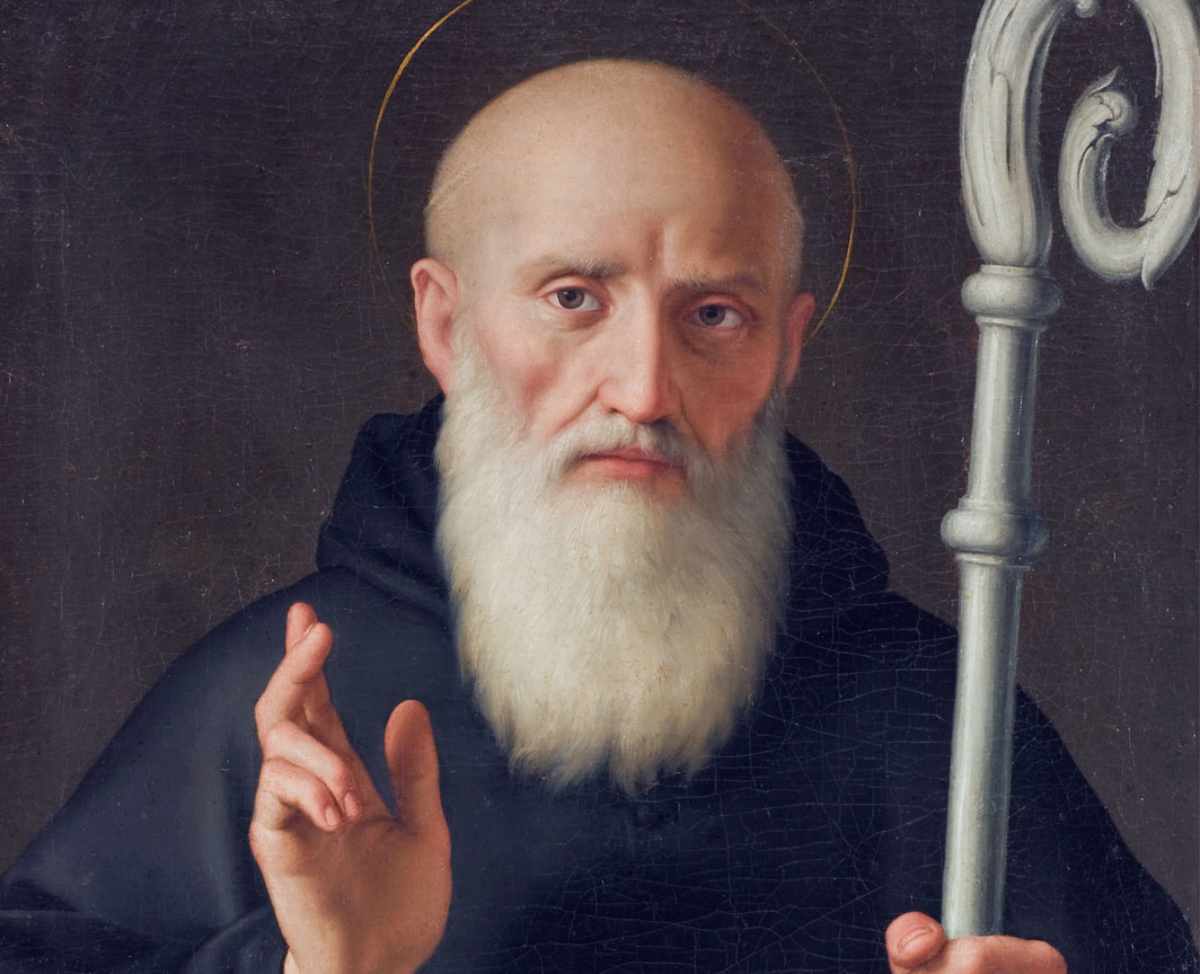
Benedetto da Norcia, or Saint Benedict of Nursia, born in 480 in Nursia, Italy, is one of the most influential figures in Western monasticism. He is best known for founding the Benedictine Order and for his “Rule of Saint Benedict,” which became a foundational document for monastic life in the Western Church. This article explores the age, fame, and life highlights of Benedetto da Norcia, providing detailed insights and explanations, and exploring the nuances and historical context of his work.
Early Life and Background
Family and Heritage
Benedetto was born into a family of noble status, with his mother being the Countess of Norcia. His privileged background allowed him access to education and a comfortable upbringing. However, the moral decadence of Rome, where he was sent to study, deeply affected him and spurred a profound personal transformation.
Education and Early Religious Calling
At the age of twelve, Benedetto was sent to Rome to pursue classical studies. The city’s rampant immorality disillusioned him, leading to his decision to abandon his studies and retreat into a life of religious contemplation. This pivotal moment marked the beginning of his spiritual journey. At seventeen, Benedetto, accompanied by his nurse Cirilla, withdrew to the remote valley of the Aniene River, seeking solitude and a deeper connection with God.
The Path to Monastic Leadership
Early Monastic Experiences
Benedetto’s early monastic life was characterized by a series of transformative experiences. His desire for a solitary and contemplative life led him to a cave near Subiaco, where he lived as a hermit for three years. This period of intense meditation and self-discipline was crucial in shaping his spiritual and leadership qualities.
Leadership and Founding of Monastic Communities
After his hermitage, Benedetto was invited to become the abbot of a nearby monastery. However, his strict discipline led to resistance, culminating in an attempted poisoning by the monks. Miraculously surviving, Benedetto returned to Subiaco, where he founded twelve small monasteries, each with twelve monks and an abbot. This organizational structure emphasized community life balanced by solitude, prayer, and labor.
The Establishment of Montecassino
Founding Montecassino
In 529, Benedetto left Subiaco, possibly due to conflicts with a local priest or another poisoning attempt. He traveled to Montecassino, where he established a monastery that would become the cradle of Western monasticism. Montecassino was strategically located on a hilltop, providing both physical and spiritual fortification for the monastic community.
The Rule of Saint Benedict
At Montecassino, Benedetto composed the “Rule of Saint Benedict,” a comprehensive guide for monastic life. This rule, described as “a little rule for beginners,” provided practical directives for communal living and spiritual growth. It emphasized the balance of prayer, work, and study under the motto “Ora et Labora” (Pray and Work). The Rule of Saint Benedict was revolutionary, as it created a stable and disciplined framework for monastic life, ensuring the survival and growth of the monastic movement throughout Europe.
Key Principles of the Rule
The Rule outlined various aspects of monastic life, including the duties of the abbot, the importance of obedience, humility, and the communal ownership of goods. It mandated regular periods of prayer, known as the Divine Office, and manual labor, integrating spiritual and physical disciplines. The Rule also emphasized hospitality, charity, and the importance of a peaceful community life.
Later Years and Legacy
Final Years at Montecassino
Benedetto spent the remaining years of his life at Montecassino, overseeing the growth of his monastic community and the dissemination of his Rule. His leadership style was characterized by a combination of firmness and compassion, embodying the principles he espoused in his Rule. He passed away on March 21, 547, after a brief illness, leaving behind a lasting legacy.
Posthumous Influence and Veneration
After his death, Benedetto’s body and relics became objects of veneration. Disputes over the possession of his relics arose between Montecassino and Fleury-sur-Loire in France, highlighting his widespread influence. Regardless of these disputes, his legacy endured, with Montecassino becoming a major center of pilgrimage and religious scholarship.
Canonization and Patronage
Benedetto was canonized by Pope Honorius III in 1220, and in 1964, Pope Paul VI declared him the patron saint of Europe. This recognition underscored his significant role in shaping Christian monasticism and European culture. His feast day is celebrated on July 11, a date designated by the Church to honor his contributions to monastic life and Christian spirituality.
Historical Context and Impact
The Context of the Decline of the Roman Empire
Benedetto’s life and work occurred during a period of significant upheaval, marked by the decline of the Roman Empire and the rise of barbarian kingdoms in Europe. His monastic reforms provided stability and spiritual guidance during these tumultuous times, helping to preserve classical knowledge and Christian teachings.
The Spread of Benedictine Monasticism
The Rule of Saint Benedict was widely adopted by monasteries across Europe, leading to the spread of Benedictine monasticism. Benedictine monasteries became centers of learning, agriculture, and hospitality, playing a crucial role in the cultural and spiritual revival of Europe during the Middle Ages. The monastic movement promoted literacy, preserved ancient texts, and facilitated the spread of Christianity.
Influence on Western Monasticism
Benedetto’s Rule influenced not only the Benedictine Order but also other monastic traditions, including the Cistercians, Cluniacs, and Trappists. His emphasis on community life, balanced by prayer and work, set a standard for monastic practice that endured for centuries. The Rule’s practicality and adaptability allowed it to be implemented in diverse cultural and geographical contexts.
Conclusion
Benedetto da Norcia’s life and legacy are monumental in the history of Western Christianity. From his early withdrawal into solitude to his founding of Montecassino and the creation of the Rule of Saint Benedict, his contributions have left an indelible mark on monastic life and Christian spirituality. His life highlights reflect a profound commitment to balancing contemplation and action, providing a model for monastic communities and individuals seeking a harmonious and disciplined spiritual life. As the father of Western monasticism and a patron saint of Europe, Benedetto da Norcia’s influence continues to resonate in the religious and cultural landscape of the modern world.


