
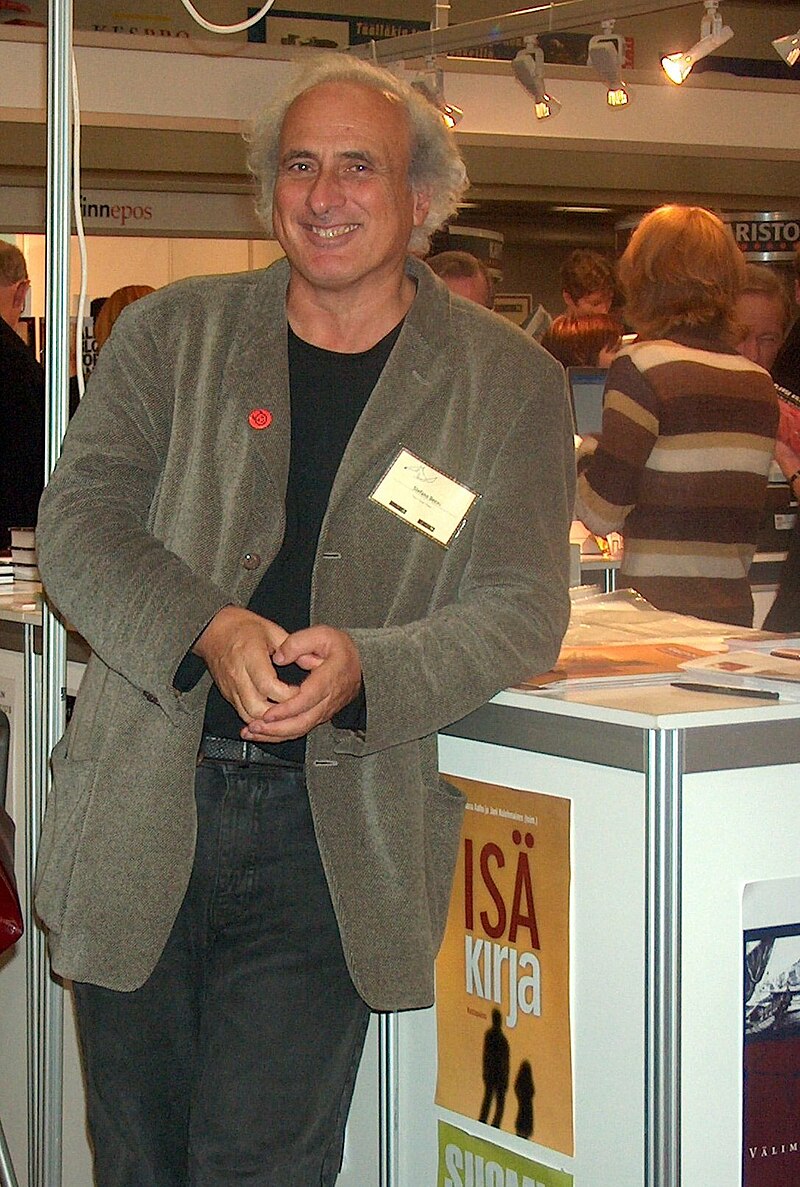
Stefano Benni, born on August 12, 1947, is an acclaimed Italian writer, satirist, and journalist. Known for his sharp wit and satirical style, Benni has made significant contributions to Italian literature and culture. This comprehensive exploration delves into his age, rise to fame, and significant life highlights, providing detailed insights and historical context.
Early Life and Background
Stefano Benni was born in Bologna, Italy, and grew up in a culturally rich environment that fostered his love for literature and the arts. From an early age, Benni showed a keen interest in writing and storytelling, a passion that would later define his career. His parents, both avid readers, encouraged his literary pursuits, providing him with access to a vast array of books and stimulating his imagination.
Literary Beginnings
Benni’s literary career began in earnest in the late 1970s and early 1980s. He quickly gained recognition for his unique voice and satirical take on contemporary society. His early works, including satirical poetry and short stories, were published in various Italian magazines and newspapers. These writings showcased his ability to blend humor with incisive social commentary, a hallmark of his style.
Rise to Fame
Early Works and Satirical Style
Benni’s first major success came with the publication of “Prima o poi l’amore arriva” (1981), a collection of satirical poems. This work was followed by “Terra!” (1983), a satirical science fiction novel that garnered critical acclaim and established Benni as a significant figure in European literature. “Terra!” is known for its imaginative storytelling and its critique of contemporary political and social issues.
In 1984, Benni published “I meravigliosi animali di Stranalandia,” a fantastical book illustrated by Pirro Cuniberti. This work drew comparisons to the whimsical style of Gianni Rodari, another prominent Italian author known for his children’s literature. Benni’s ability to create vivid, imaginative worlds captivated readers and further cemented his reputation as a master storyteller.
Expanding Horizons
Benni continued to explore various genres and themes in his subsequent works. In 1986, he released “Comici spaventati guerrieri,” a novel that delves into the complexities of urban life and the human condition. This novel, rich in satire and social critique, was later adapted into a film, expanding Benni’s influence beyond the literary world.
Throughout the late 1980s and 1990s, Benni published several more novels and collections of short stories, each showcasing his evolving style and deepening engagement with contemporary issues. Notable works from this period include “Baol, Una tranquilla notte di regime” (1990), “La Compagnia dei Celestini” (1992), and “Saltatempo” (2001), which won the prestigious Premio Bancarella.
Major Works and Themes
“Il bar sotto il mare”
One of Benni’s most celebrated works is “Il bar sotto il mare” (1987), a collection of short stories that highlights his versatility as a writer. Each story in the collection is a parody of different literary styles, demonstrating Benni’s keen understanding of various genres and his ability to mimic and satirize them. From minimalist narratives to gothic horror, Benni’s mastery of form and style is evident throughout the collection.
“Bar Sport” and “Bar Sport Duemila”
Another significant contribution to Italian literature is Benni’s “Bar Sport” (1976) and its sequel “Bar Sport Duemila” (1997). These collections of humorous anecdotes and satirical sketches capture the essence of Italian bar culture, portraying the quirks and idiosyncrasies of everyday life. Benni’s sharp observations and witty commentary make these works timeless classics, beloved by readers for their humor and relatability.
“Saltatempo”
“Saltatempo” (2001) is a standout novel in Benni’s oeuvre, blending elements of magical realism with poignant social commentary. The novel follows the life of a young boy with the ability to travel through time, exploring themes of fate, destiny, and the passage of time. “Saltatempo” received widespread acclaim for its imaginative narrative and deep emotional resonance, solidifying Benni’s status as a literary luminary.
Contributions to Journalism and Theater
In addition to his prolific writing career, Benni has made significant contributions to journalism and theater. He has written for several prominent Italian newspapers and magazines, including “La Repubblica,” “Il Manifesto,” “Panorama,” and “MicroMega.” His articles and essays often tackle political and social issues with his trademark humor and incisiveness.
Benni has also ventured into theater, writing and directing several plays. His works “Teatro” and “Teatro2” are collections of his theatrical pieces, showcasing his talent for blending comedy and drama on stage. Benni’s involvement in theater highlights his versatility as an artist and his ability to engage audiences across different mediums.
Personal Life and Public Persona
Despite his public success, Stefano Benni is known for his reclusive nature and aversion to media attention. He rarely grants interviews and makes few public appearances, preferring to let his work speak for itself. This enigmatic persona has only added to his mystique, endearing him to fans who appreciate his dedication to his craft.
Benni’s personal life remains largely private, but it is known that he has a deep love for music, particularly jazz. He has collaborated with musicians such as Paolo Damiani on projects that blend poetry and jazz, further showcasing his creative versatility.
Awards and Recognition
Over the course of his career, Stefano Benni has received numerous awards and accolades for his contributions to literature and culture. In addition to the Premio Bancarella for “Saltatempo,” he has been honored with several other literary prizes, including the Premio Satira Politica and the Premio Elsa Morante.
Benni’s work has been translated into multiple languages, allowing his unique voice to reach a global audience. His books continue to be popular in Italy and abroad, with new generations discovering and appreciating his humor, creativity, and keen social insight.
Legacy and Impact
Stefano Benni’s impact on Italian literature and culture is profound. His ability to blend humor with social critique has made him a beloved figure in Italy, and his works remain relevant and influential. Benni’s unique voice and imaginative storytelling have inspired countless readers and writers, leaving an indelible mark on the literary landscape.
Benni’s legacy extends beyond his books; his contributions to journalism, theater, and cultural discourse have enriched Italian society and broadened the scope of literary expression. As a satirist, he has held up a mirror to society, encouraging introspection and change through laughter and reflection.
Conclusion
Stefano Benni’s life and career are a testament to the power of humor, imagination, and social critique. From his early days as a satirical poet to his status as one of Italy’s most celebrated authors, Benni has remained a vital and influential voice in contemporary literature. His works continue to entertain, inspire, and challenge readers, ensuring that his legacy will endure for generations to come.


