
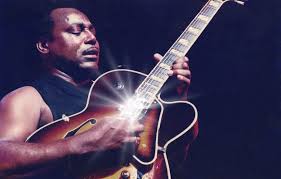
George Benson, born on March 22, 1943, in Pittsburgh, Pennsylvania, is widely regarded as one of the greatest guitarists in the history of jazz and R&B. Known for his exceptional technique, smooth voice, and innovative style, Benson has left an indelible mark on the music industry. This comprehensive exploration delves into his age, rise to fame, and significant life highlights, providing detailed insights and historical context.
Early Life and Musical Beginnings
George Benson displayed prodigious musical talent from a young age. At just four years old, he won a singing contest, and by the age of eight, he had started playing the guitar. Benson’s early influences included jazz legends such as Charlie Christian and Wes Montgomery, but his unique style quickly set him apart.
Benson’s childhood was marked by his immersion in music. He began performing in Pittsburgh’s black music clubs and even on the streets, honing his craft and gaining valuable experience. By ten, he had already recorded his first single, “She Makes Me Mad,” with the small label Victor X Records, a subsidiary of RCA.
Rise to Fame: The 1960s and 1970s
Joining Jack McDuff’s Band
Benson’s big break came in 1961 when he joined the band of organist Jack McDuff as a guitarist. Touring the United States with McDuff, Benson developed his skills and gained recognition for his extraordinary talent. By 1965, he had left McDuff to form his own jazz quartet and began recording his own albums.
Early Albums and Solo Success
Benson’s early solo work included albums like “The New Boss Guitar” (1965), “It’s Uptown” (1966), and “The George Benson Cookbook” (1966). These albums showcased his virtuosity and creativity, blending elements of jazz, R&B, and soul. His guitar playing was characterized by a rich, warm tone and an impressive technical proficiency that quickly earned him critical acclaim.
Personal Life
In 1965, Benson married Johnnie, with whom he had seven children. Despite the challenges of life on the road and personal tragedies—including the deaths of three of their children—their marriage has endured, a rarity in the entertainment industry. Benson’s personal life has always been marked by a strong sense of faith and family, with his religious beliefs as a Jehovah’s Witness playing a significant role in his life.
Breakthrough and Mainstream Success
Moving to Columbia and Verve Records
In the late 1960s, Benson signed with Columbia Records and later moved to Verve Records, where he released “Benson Burner” (1967). Although his singing was initially considered secondary to his guitar playing, his vocal performances began to gain recognition.
Partnership with Creed Taylor and CTI Records
Benson’s collaboration with producer Creed Taylor at A&M Records and later CTI Records was a turning point in his career. Albums like “Beyond the Blue Horizon” (1971) and “White Rabbit” (1971) were critically acclaimed and showcased Benson’s ability to blend jazz with other genres.
“Breezin'” and Commercial Success
In 1976, Benson’s career reached new heights with the release of “Breezin'” under Warner Bros. Records, produced by Tommy LiPuma. The album featured the hit single “This Masquerade” and sold over four million copies, earning Benson three Grammy Awards. “Breezin'” marked Benson’s transition to a more commercial sound, incorporating elements of pop and R&B while maintaining his jazz roots.
Continued Success and Innovations
Exploring New Genres
Throughout the late 1970s and 1980s, Benson continued to explore and innovate within different musical genres. His 1977 live album “Weekend in L.A.” featured the Grammy-winning track “On Broadway,” which became a staple of his live performances. In 1980, Benson released “Give Me the Night,” produced by Quincy Jones, which further established his crossover appeal with hits like the title track.
Collaborations and Awards
Benson’s versatility as a musician allowed him to collaborate with a wide range of artists, including jazz greats like Miles Davis, Herbie Hancock, and Freddie Hubbard. His ability to seamlessly blend vocal and instrumental performances earned him admiration from fans and critics alike.
Personal Challenges and Triumphs
Despite his commercial success, Benson faced personal and professional challenges. He was criticized by some purists for his shift towards a more commercial sound, but he responded by continuing to produce high-quality music that appealed to a broad audience. His 1983 album “In Your Eyes” included the Grammy-winning track “Being With You,” proving his continued relevance in the music industry.
Legacy and Influence
Later Albums and Honors
In the 1990s and 2000s, Benson continued to release successful albums, such as “Love Remembers” (1993), “That’s Right” (1996), and “Standing Together” (1998). His 2006 collaboration with Al Jarreau, “Givin’ It Up,” won two Grammy Awards, further cementing his legacy as a pioneering musician.
Recognition and Awards
Benson’s contributions to music have been widely recognized. He has received numerous awards, including ten Grammy Awards, and has been honored with a star on the Hollywood Walk of Fame. His influence on jazz, R&B, and pop music is undeniable, and his innovative style has inspired countless musicians.
Personal Reflections and Faith
Throughout his career, Benson has remained grounded in his faith and family. His dedication to his religion as a Jehovah’s Witness has been a cornerstone of his life, guiding his decisions and providing a source of strength. Benson’s ability to balance his personal and professional life has been a testament to his resilience and character.
Conclusion
George Benson’s journey from a young prodigy in Pittsburgh to a globally renowned musician is a testament to his extraordinary talent, innovation, and perseverance. His ability to blend genres, his technical mastery of the guitar, and his soulful vocal performances have left an indelible mark on the music industry.
Benson’s legacy is not only defined by his commercial success and numerous awards but also by his influence on generations of musicians and his commitment to his craft. As he continues to perform and inspire, George Benson remains a true icon in the world of music.


