
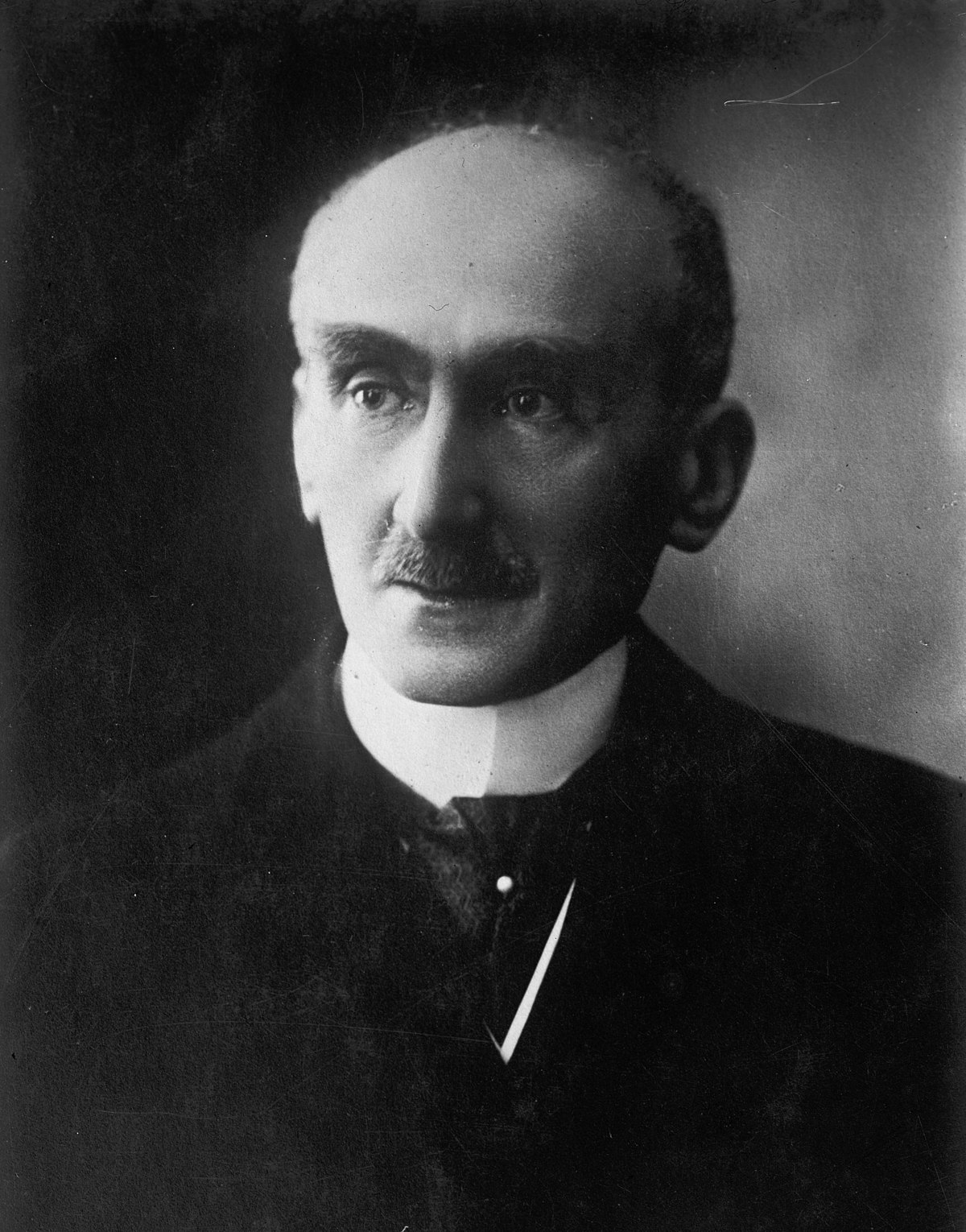
Henri Bergson, born Henri-Louis Bergson on October 18, 1859, in Paris, France, is a celebrated French philosopher known for his influential ideas on intuition, consciousness, and the nature of time. Bergson’s work marked a significant departure from the scientific positivism of his era, offering a fresh perspective that emphasized the importance of human experience and intuition. This comprehensive overview delves into Bergson’s life, career, and the key philosophical concepts that defined his legacy.
Early Life and Education
Family Background and Early Influences
Henri Bergson was born into a Jewish family of mixed heritage. His father, Michał Bergson, was of Polish descent, while his mother, Katherine Levison, was of English and Irish descent. The multicultural background of his family played a role in shaping Bergson’s intellectual outlook and his appreciation for diverse cultural perspectives.
Academic Pursuits
Bergson attended the prestigious Lycée Condorcet in Paris, where he excelled in both mathematics and philosophy. He furthered his studies at the École Normale Supérieure, one of France’s premier institutions for higher education, where he was influenced by prominent philosophers and developed his interest in metaphysical questions. During his time at the École Normale, Bergson formed connections with notable intellectuals, including Jean Jaurès and Maurice Blondel.
Early Career and Philosophical Development
Teaching and Early Works
Upon completing his studies, Bergson began his teaching career at various lycées, including those in Angers and Clermont-Ferrand, before eventually returning to Paris. His early teaching experiences provided him with the opportunity to refine his philosophical ideas and engage with young, curious minds.
First Major Publications
In 1889, Bergson published his doctoral thesis, “Essai sur les données immédiates de la conscience” (Time and Free Will: An Essay on the Immediate Data of Consciousness). This work introduced his concept of “duration” (la durée), a notion that challenged the conventional, scientific understanding of time as a series of discrete moments. Instead, Bergson argued that time is a continuous flow, intimately connected to human consciousness and experience.
Key Philosophical Concepts
Duration and Time
Bergson’s concept of duration is central to his philosophy. He posited that human experience of time is qualitative rather than quantitative. Unlike the mechanistic, clock-based view of time, which divides it into uniform segments, Bergson’s duration is fluid and continuous, reflecting the true nature of lived experience.
Intuition vs. Intellect
Bergson distinguished between two modes of understanding: intellect and intuition. He argued that while the intellect is useful for navigating the material world and dealing with practical problems, it is limited in its ability to grasp the essence of life and consciousness. Intuition, on the other hand, allows for a deeper, more direct apprehension of reality, transcending the limitations of analytical thought.
Creative Evolution
In his 1907 book “L’Évolution créatrice” (Creative Evolution), Bergson explored the concept of evolution from a philosophical perspective. He criticized the deterministic view of evolution and proposed instead that life evolves through a creative process driven by an élan vital, or vital force. This idea challenged the mechanistic interpretations of Darwinism and emphasized the dynamic, unpredictable nature of life’s development.
Academic and Public Recognition
Professorship and Influence
In 1900, Bergson was appointed to the Collège de France, where he taught Greek and modern philosophy. His lectures attracted large audiences, and he quickly became a prominent figure in the intellectual circles of Paris. Bergson’s ideas resonated with many contemporaries, including Marcel Proust, Charles Péguy, and the American philosopher William James.
Prestigious Honors
Bergson’s contributions to philosophy were recognized with numerous accolades. In 1914, he was elected to the Académie française, one of the highest honors for a French intellectual. His role as the president of the Commission for Intellectual Cooperation under the League of Nations in 1918 highlighted his commitment to international collaboration and intellectual exchange.
Nobel Prize in Literature
In 1927, Bergson was awarded the Nobel Prize in Literature for his rich and vitalizing ideas and for the remarkable skill with which he presented them. This recognition underscored the profound impact of his work on both philosophy and literature.
Later Works and Philosophical Evolution
The Two Sources of Morality and Religion
In 1932, Bergson published “Les Deux Sources de la morale et de la religion” (The Two Sources of Morality and Religion). In this work, he explored the interplay between static and dynamic aspects of morality and religion, emphasizing the role of intuition and creativity in fostering genuine moral and religious experiences.
Final Years and Intellectual Legacy
During the 1930s, Bergson’s health began to decline, but he continued to write and engage with philosophical issues. His final major work, “La Pensée et le mouvant” (The Creative Mind), was published in 1934, further elaborating on his earlier ideas and offering new insights into the nature of thought and creativity.
Historical Context and Impact
Response to Positivism
Bergson’s philosophy emerged as a critical response to the prevailing positivist and materialist ideologies of the late 19th and early 20th centuries. His emphasis on intuition and the qualitative aspects of experience offered an alternative to the rigid, scientific determinism that dominated much of contemporary thought.
Influence on Arts and Literature
Bergson’s ideas had a significant influence on the arts and literature. His concept of duration, for instance, resonated with modernist writers and artists who sought to capture the fluidity and complexity of human experience. Marcel Proust’s monumental work “In Search of Lost Time” is often cited as being influenced by Bergson’s philosophy.
Legacy in Philosophy
Bergson’s legacy in philosophy is enduring. His ideas about time, consciousness, and intuition continue to be studied and debated by scholars. His influence extends beyond philosophy into psychology, literature, and even the sciences, where his ideas about evolution and creativity have found resonance.
Personal Life and Final Years
Personal Beliefs and Challenges
Bergson’s personal life was marked by his deep intellectual commitments and his navigation of the turbulent political landscape of his time. Despite his Jewish heritage, he was drawn to Catholicism and expressed a profound respect for Christian spirituality, although he never formally converted, preferring to stand in solidarity with his Jewish compatriots during the rise of anti-Semitism in Europe.
Death and Posthumous Recognition
Henri Bergson passed away on January 4, 1941, in Paris, due to respiratory complications. His death marked the end of a prolific and impactful career, but his philosophical contributions continue to influence and inspire.
Conclusion
Henri Bergson’s life and work represent a significant chapter in the history of philosophy. His innovative ideas challenged conventional notions of time, consciousness, and evolution, offering a profound and intuitive understanding of human experience. Bergson’s emphasis on intuition and the qualitative aspects of life provided a vital counterpoint to the scientific positivism of his time and continues to resonate in contemporary thought.
As we continue to explore and engage with Bergson’s philosophy, his insights into the nature of reality, the role of creativity, and the depth of human consciousness remain as relevant and compelling as ever. Henri Bergson stands as a towering figure in the intellectual landscape, whose contributions will undoubtedly continue to shape and inspire future generations.


