
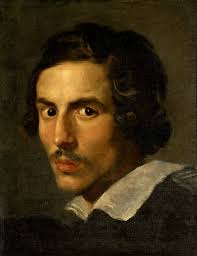
Gian Lorenzo Bernini, born on December 7, 1598, in Naples, Italy, is widely regarded as one of the greatest artists of the Baroque period. His remarkable contributions to sculpture, architecture, and art theory have left an indelible mark on the history of art. Bernini’s work is characterized by its dynamic compositions, intricate details, and emotional intensity, making him a dominant figure in 17th-century Rome, much like Michelangelo Buonarroti was for the previous century.
Early Life and Training
Bernini was born to Pietro Bernini, a renowned sculptor, and Angelica Galante. The family moved to Rome in 1606, where Pietro secured the patronage of Cardinal Scipione Borghese. Under his father’s guidance, young Bernini began honing his skills in sculpture. His early works quickly revealed his prodigious talent, allowing him to gain recognition at a young age.
Early Masterpieces
By his early twenties, Bernini had already completed several significant works that showcased his extraordinary ability to capture movement and emotion. Among these early masterpieces are:
- “The Rape of Proserpina” (1620-1623): This sculpture depicts the abduction of Proserpina by Pluto, capturing the intense struggle and dramatic moment with lifelike detail.
- “Apollo and Daphne” (1622-1625): A dynamic portrayal of the mythological chase, where Daphne transforms into a laurel tree to escape Apollo’s pursuit. The intricate details and the fluidity of motion in this piece exemplify Bernini’s skill.
- “David” (1623-1624): Unlike the serene Davids of Michelangelo and Donatello, Bernini’s David is caught in the act of slinging the stone, his body twisted in a powerful spiral of action and concentration.
Patronage of Pope Urban VIII
Bernini’s career reached new heights under the patronage of Pope Urban VIII Barberini, who became his most significant benefactor. One of the earliest and most monumental commissions from Urban VIII was the “Baldachin of St. Peter’s” (1624-1633). This immense bronze canopy over the tomb of St. Peter in St. Peter’s Basilica stands nearly 30 meters tall and features spiraling columns and elaborate decorations, blending architecture and sculpture in a way that was revolutionary at the time.
Architectural Achievements
In 1629, Bernini was appointed chief architect of St. Peter’s Basilica, overseeing various aspects of its construction and decoration. His architectural prowess was further demonstrated through the creation of several iconic fountains in Rome, including:
- “Fountain of the Triton” (1642-1643) in Piazza Barberini: This fountain features a muscular Triton blowing a conch shell, with water gushing upwards, embodying the dynamism and theatricality of Baroque art.
- “Fountain of the Four Rivers” (1648-1651) in Piazza Navona: This monumental fountain features four river gods representing major rivers from different continents, each positioned around a central obelisk. The composition and integration of naturalistic elements set a new standard for public art.
Rivalry and Recognition
The death of Pope Urban VIII in 1644 and the rise of Pope Innocent X brought a period of rivalry with Francesco Borromini, another prominent Baroque architect. Despite the competition, Bernini continued to receive significant commissions, including:
- “Tomb of Pope Urban VIII” (1628-1647) in St. Peter’s Basilica: This grand tomb combines sculpture and architecture, with a bronze effigy of the pope and allegorical figures representing virtues and vices.
- “Busto di Costanza Bonarelli” (1636-1638): A highly expressive portrait bust of Costanza Bonarelli, showcasing Bernini’s ability to capture intricate details and the inner life of his subjects.
Later Works and International Recognition
During the papacy of Alexander VII, Bernini was tasked with creating the grand colonnade of St. Peter’s Square (1656-1667). This masterpiece of urban planning and architecture consists of two massive semi-circular colonnades embracing the visitor, symbolizing the church’s open arms to the world.
In 1665, Bernini traveled to France at the invitation of King Louis XIV to design parts of the Louvre Palace. Although his plans were ultimately not implemented due to court politics and stylistic differences, his visit left a significant impact on French art and architecture.
Final Years and Legacy
Bernini’s later years were marked by continued artistic productivity and high-profile commissions, including:
- “Tomb of Pope Alexander VII” (1671-1678): Located in St. Peter’s Basilica, this tomb features a dramatic representation of the pope, supported by allegorical figures and an intricate drapery of marble.
- “The Blessed Ludovica Albertoni” (1671-1674): This work, located in the church of San Francesco a Ripa in Rome, depicts the ecstatic moment of the saint’s death, capturing intense spiritual emotion.
Bernini’s final years saw him completing his last sculpture, “Salvator Mundi” (1679), which is now housed in the Chrysler Museum of Art in Virginia. He passed away on November 28, 1680, in Rome, at the age of 82, leaving behind a legacy that defined Baroque art.
Influence and Recognition
Bernini’s influence on the art world extends far beyond his lifetime. His innovative approach to combining sculpture, architecture, and urban planning transformed Rome and set new standards for artistic expression. His ability to convey movement and emotion through marble has inspired countless artists and continues to be studied and admired.
Conclusion
Gian Lorenzo Bernini’s life and work represent the pinnacle of Baroque art. His genius in sculpture and architecture, combined with his ability to capture the dynamism and emotional intensity of the human experience, have cemented his place as one of history’s greatest artists. His contributions to the art and architecture of Rome remain a testament to his unparalleled skill and vision, ensuring his enduring legacy in the world of art.


