
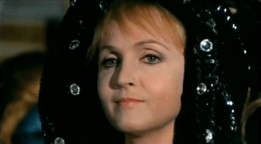
Laura Betti, born Laura Trombetti on May 1, 1927, in Casalecchio di Reno, Bologna, Italy, was an illustrious Italian actress and singer whose career spanned across theater, cinema, and music. Known for her unique voice and indomitable spirit, Betti is most celebrated for her collaborations with the renowned writer and director Pier Paolo Pasolini. This article delves into her life, career, and the significant milestones that made her an unforgettable figure in Italian arts and culture.
Early Life and Initial Foray into the Arts
Laura Betti was born into a family with a rich cultural heritage; her father was a lawyer, and her uncle, Alfredo Trombetti, was a famous linguist. Betti initially entered the entertainment world as a jazz singer, showcasing her distinctive low, raspy voice. Her early experiences in cabaret, including performances with Walter Chiari, set the stage for her diverse career in the performing arts.
Theatrical Debut and Rising Fame
In 1955, Betti made her theatrical debut in Arthur Miller’s play “The Crucible,” directed by the illustrious Luchino Visconti. Her performance was widely acclaimed, opening doors to more significant roles in theater. She went on to perform in notable productions such as “Le Cid” by Pierre Corneille, alongside Enrico Maria Salerno, and “The Seven Deadly Sins” by Bertolt Brecht and Kurt Weill. Her ability to embody complex characters with emotional depth and intensity quickly established her as a formidable talent on the stage.
Transition to Cinema
Laura Betti’s transition to cinema marked a pivotal point in her career. She first worked with Pier Paolo Pasolini in the film “La Ricotta,” part of the anthology film “Ro.Go.Pa.G.” Her portrayal of Sonia, an egocentric and snobbish film diva, showcased her versatility and earned her critical acclaim. This collaboration with Pasolini was the beginning of a long-standing professional and personal relationship.
Notable Film Roles and Awards
Betti’s film career flourished with numerous significant roles. In 1968, she starred in Pasolini’s “Teorema,” a performance that won her the Volpi Cup for Best Actress at the Venice Film Festival. Her cinematic repertoire includes impressive performances in films such as Federico Fellini’s “La Dolce Vita,” Marco Bellocchio’s “Sbatti il mostro in prima pagina,” and Bernardo Bertolucci’s “Novecento.” Each role demonstrated her extraordinary range and ability to convey profound emotional narratives.
Musical Ventures and Influences
In addition to her acting career, Laura Betti made notable contributions to music. In 1968, she released an album titled “Potentissima signora,” which featured songs written by Pasolini. The track “Il valzer della toppa” from this album, later recorded by Gabriella Ferri, became particularly famous. Her musical performances often drew inspiration from literary texts, blending her love for literature and music seamlessly.
Personal Life and Relationship with Pasolini
Laura Betti’s personal and professional life was deeply intertwined with Pier Paolo Pasolini. Their relationship was one of mutual respect and artistic collaboration. Pasolini once described Betti as “a tragic Marlene, a true Garbo with an unalterable doll-like mask on her face.” This description encapsulates the depth of their connection and the profound influence they had on each other’s work.
Later Career and Television Appearances
Betti continued to shine in the entertainment industry through the 1970s and 1980s, with roles in films such as “Last Tango in Paris” by Bernardo Bertolucci and “The Canterbury Tales” by Pasolini. Her television appearances also brought her into the homes of many Italians, further solidifying her status as a cultural icon.
Founding the Pasolini Archive
In 1980, in honor of her close friend and collaborator Pier Paolo Pasolini, who was tragically murdered in 1975, Laura Betti founded the Pasolini Archive. This foundation was dedicated to preserving and promoting Pasolini’s work and legacy. Betti’s dedication to the archive was a testament to her enduring respect and affection for Pasolini. She organized numerous events and recitals of Pasolini’s poetry, including a notable recital titled “Una disperata vitalità” in 1996.
Final Years and Legacy
Laura Betti’s later years were marked by continued artistic contributions and advocacy for Pasolini’s work. In 2003, the materials she collected were acquired by the Centro Studi Archivio Pier Paolo Pasolini in Bologna, a decision that caused friction with the administration in Rome, her adopted city. Betti passed away on July 31, 2004, in Rome at the age of 77. She was buried in the family tomb at the Certosa Cemetery in Bologna, as per her wishes.
Conclusion
Laura Betti’s life and career are a testament to her remarkable talent, resilience, and dedication to the arts. Her unique voice, both literally and figuratively, left an indelible mark on Italian cinema, theater, and music. Her collaborations with Pier Paolo Pasolini remain some of the most significant in the history of Italian arts, reflecting a deep mutual respect and artistic synergy.
Betti’s legacy continues to inspire and influence new generations of artists and performers. Her contributions to preserving Pasolini’s work ensure that both her and Pasolini’s artistic endeavors remain accessible and appreciated by future audiences. Laura Betti’s story is one of passion, creativity, and unwavering commitment to the craft of storytelling, whether through song, stage, or screen.


