
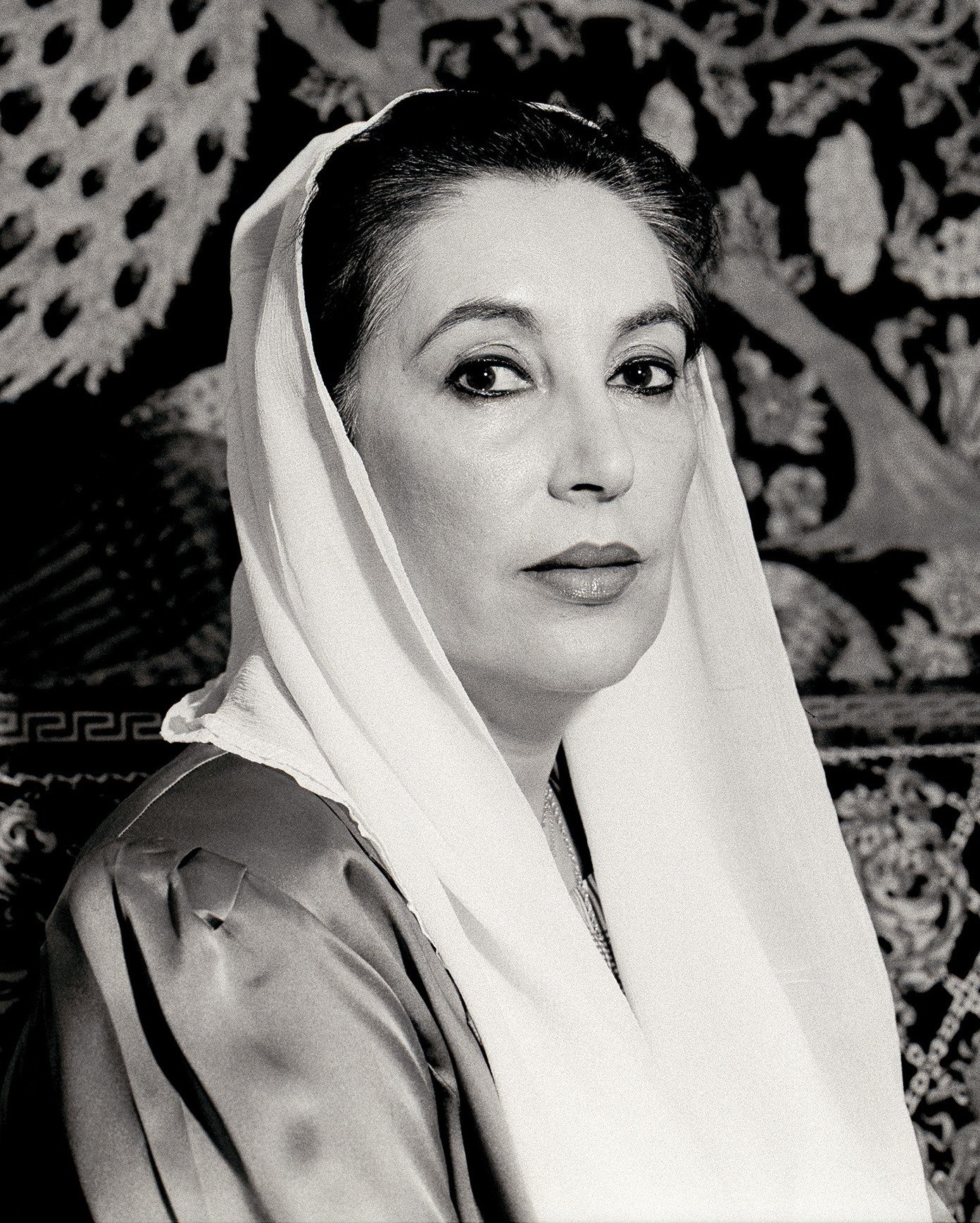
Benazir Bhutto, born on June 21, 1953, in Karachi, Pakistan, was a prominent Pakistani politician and stateswoman. She made history as the first woman to head a democratic government in a majority Muslim nation. Bhutto’s life was marked by her struggle for democracy, her efforts to modernize Pakistan, and her tragic assassination. This article explores her life, career, and significant milestones that shaped her legacy.
Early Life and Education
Family Background
Benazir Bhutto was born into a prominent political family. Her father, Zulfiqar Ali Bhutto, served as the Prime Minister of Pakistan from 1971 to 1977. Her mother, Begum Nusrat Bhutto, had Kurdish-Iranian origins. Benazir’s grandfather, Shaw Nawaz Bhutto, was a significant figure in the Pakistani independence movement. Growing up in a politically active family, Benazir was exposed to the intricacies of politics from an early age.
Education in the United States and the United Kingdom
Bhutto’s early education took place in Pakistan. She later moved to the United States to attend Radcliffe College at Harvard University, where she earned a degree in political science in 1973. Her time at Harvard was marked by her active participation in student politics and debates. After graduating from Harvard, she attended the University of Oxford, studying philosophy, politics, and economics (PPE). At Oxford, she was elected president of the Oxford Union, becoming the first Asian woman to hold the position. Her education abroad provided her with a global perspective and a strong foundation in political theory.
Entry into Politics
Return to Pakistan and Early Political Career
After completing her studies, Bhutto returned to Pakistan in 1977. Her father, Zulfiqar Ali Bhutto, was then the Prime Minister. However, her return coincided with a turbulent period in Pakistan’s history. In July 1977, General Zia-ul-Haq led a military coup that ousted her father from power. Zulfiqar Ali Bhutto was imprisoned and later executed in 1979, a turning point that deeply affected Benazir and her family.
House Arrest and Exile
Following her father’s execution, Benazir Bhutto and her family faced severe political persecution. She was placed under house arrest multiple times and was not allowed to participate in political activities. In 1984, she was permitted to leave Pakistan and moved to the United Kingdom, where she continued her political activities in exile. She became the leader of the Pakistan Peoples Party (PPP), which her father had founded, and worked tirelessly to keep the party alive and relevant.
Rise to Power
Return to Pakistan and First Tenure as Prime Minister
Benazir Bhutto returned to Pakistan in 1986, greeted by massive crowds and popular support. Her return marked a significant moment in Pakistani politics, symbolizing the end of General Zia’s era. In 1988, following Zia-ul-Haq’s death in a plane crash, elections were held. The PPP emerged victorious, and on December 2, 1988, Benazir Bhutto was sworn in as the Prime Minister of Pakistan, becoming the first woman to lead a Muslim-majority country.
Challenges and Achievements
Bhutto’s first tenure as Prime Minister was marked by significant challenges. She inherited a country grappling with political instability, economic difficulties, and social issues. Despite these challenges, she worked towards modernizing Pakistan and promoting democratic values. Her government focused on initiatives to improve healthcare, education, and women’s rights. However, her tenure was cut short in 1990 when her government was dismissed on charges of corruption.
Second Tenure as Prime Minister
Bhutto’s party won the elections again in 1993, and she served as Prime Minister for the second time. During this period, she continued her efforts to modernize Pakistan and improve its international standing. Her administration worked on economic reforms, infrastructure development, and social programs. However, her second term was also marred by allegations of corruption and political infighting. In 1996, her government was once again dismissed.
Personal Tragedies and Political Struggles
Family Losses and Political Turmoil
Benazir Bhutto’s personal life was filled with tragedy and loss. Her brother, Shahnawaz Bhutto, died under mysterious circumstances in 1985 in France. Another brother, Murtaza Bhutto, was killed in a police encounter in 1996. These personal losses deeply affected her and added to the political turmoil she faced.
Exile and Return
After her second government was dismissed, Bhutto went into self-imposed exile in 1999. She lived in Dubai and London, continuing her political activities and speaking out against the military regime of Pervez Musharraf. During her years in exile, she wrote several books and articles, advocating for democracy and human rights in Pakistan. Her return to Pakistan was made possible through a power-sharing agreement with President Musharraf, leading to her return in October 2007.
Assassination and Legacy
Return and Assassination
Benazir Bhutto’s return to Pakistan in 2007 was marked by both hope and tragedy. She aimed to participate in the upcoming elections and restore democracy in Pakistan. On October 18, 2007, as she arrived in Karachi, a suicide bomber attacked her motorcade, killing over 130 people but leaving Bhutto unharmed. Despite the threat to her life, she continued her campaign.
On December 27, 2007, after a political rally in Rawalpindi, Bhutto was assassinated in a suicide attack. Her death shocked the world and plunged Pakistan into a state of mourning and turmoil. The assassination highlighted the intense political instability and the threats posed by extremist elements in the country.
Legacy
Benazir Bhutto’s legacy is multifaceted. She is remembered as a trailblazer who broke barriers for women in politics and as a leader who championed democracy and modernization in Pakistan. Despite the controversies and challenges she faced, her dedication to her country and her resilience in the face of adversity left an indelible mark on Pakistani politics.
Her life and career continue to inspire many, and her contributions to the political landscape of Pakistan are acknowledged worldwide. Bhutto’s efforts towards women’s rights, education, and healthcare have had a lasting impact, and her vision for a democratic Pakistan remains a guiding light for her supporters.
Conclusion
Benazir Bhutto’s life was a testament to her unwavering commitment to her country and her relentless pursuit of democracy and justice. From her early years in a politically active family to her historic tenure as the first female Prime Minister of a Muslim-majority country, Bhutto’s journey was marked by resilience, courage, and a profound sense of duty.
Despite facing immense personal and political challenges, she remained steadfast in her mission to modernize Pakistan and improve the lives of its citizens. Her assassination was a tragic end to a life dedicated to public service, but her legacy continues to inspire future generations of leaders and activists.
Benazir Bhutto’s story is one of triumph over adversity, and her contributions to Pakistani politics and society will be remembered for generations to come. Her life serves as a powerful reminder of the importance of perseverance, courage, and the enduring struggle for justice and democracy.


