
Introduction
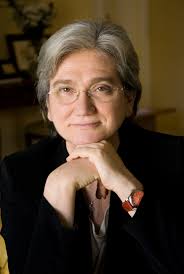
Rosy Bindi, a prominent Italian politician, has played a significant role in shaping the landscape of Italian politics. Born Maria Rosaria Bindi on February 12, 1951, in Sinalunga, Italy, she has been a pivotal figure in the evolution of the Italian left. Known for her strong Catholic faith and dedication to public service, Bindi’s career spans several decades, marked by her efforts to bridge the gap between the center and the left in Italian politics. This comprehensive biography delves into her early life, rise to political prominence, and the key moments that have defined her career.
Early Life and Background
Family and Education
Rosy Bindi was born in the small town of Sinalunga in the province of Siena, Tuscany. Raised in a devout Catholic family, she was deeply influenced by her parents’ faith and values. Bindi’s early life was marked by a strong sense of community and religious commitment, which later influenced her political career.
Bindi pursued higher education at the prestigious LUISS University in Rome, where she studied political science. During her university years, she became an assistant to Vittorio Bachelet, a renowned jurist and politician. Bachelet, a significant figure in Bindi’s life, not only guided her academically but also inspired her political aspirations.
Tragic Turning Point
A pivotal moment in Rosy Bindi’s life occurred on February 12, 1980, her birthday. While conversing with Bachelet at La Sapienza University in Rome, Bachelet was assassinated by the Red Brigades, a far-left terrorist organization. This tragic event profoundly impacted Bindi, strengthening her resolve to continue her political journey in honor of her mentor.
Political Career Beginnings
Catholic Association Involvement
Before officially entering politics, Bindi was actively involved in the Catholic Association. Following Bachelet’s vision of transforming the association, she served as the national vice-president from 1984 to 1989. Her leadership in the Catholic Association laid the groundwork for her future political endeavors.
European Parliament and the Rise of the PPI
In 1989, Bindi made her foray into politics by being elected to the European Parliament as a representative of the Christian Democracy party (Democrazia Cristiana) from the North-East constituency. She garnered substantial support, receiving 211,000 votes, and became a prominent figure within the party. During this period, Italy was grappling with the Tangentopoli corruption scandal, which significantly impacted the political landscape and led to the dissolution of Christian Democracy.
In response to the political upheaval, Bindi supported Mino Martinazzoli’s efforts to transform Christian Democracy into the Italian People’s Party (Partito Popolare Italiano, PPI). She played a crucial role in bridging the gap between the center and the left, contributing to the formation of a new political coalition.
Rise to Prominence
Minister of Health
Rosy Bindi’s political career reached new heights in 1996 when she was appointed Minister of Health in the government led by Romano Prodi. Her tenure as Health Minister was marked by significant reforms aimed at improving Italy’s national health service. Bindi’s policies focused on increasing accessibility to healthcare, improving hospital management, and implementing measures to control healthcare costs.
One of the most notable challenges during her tenure was the Di Bella therapy controversy. The therapy, proposed by Dr. Luigi Di Bella as a cancer treatment, became a highly publicized and contentious issue. Bindi’s decision to conduct clinical trials to evaluate the therapy’s efficacy was met with both support and criticism, highlighting the complexities of health policy and public opinion.
Opposition and the Birth of the Olive Tree Coalition
Following the defeat of the Prodi government, Bindi was re-elected to the Italian Parliament in 2001 as part of the opposition. During this period, she concentrated her efforts on transforming the Olive Tree (L’Ulivo) coalition from an electoral alliance into a cohesive political entity. Her work culminated in the foundation of The Daisy (La Margherita) party, a centrist party aimed at uniting Catholics and progressives within the broader center-left coalition.
Minister for Family Policies
Second Prodi Government
In 2006, Romano Prodi returned to power, and Rosy Bindi was appointed Minister for Family Policies. In this role, she focused on addressing issues related to family welfare, childcare, and gender equality. Bindi’s initiatives included organizing the first National Family Conference, which brought together stakeholders to discuss and promote family-friendly policies.
Advocacy and Policy Impact
Bindi’s tenure as Minister for Family Policies was characterized by her advocacy for inclusive and progressive family policies. She emphasized the importance of supporting working families, improving access to childcare, and promoting gender equality in the workplace. Her efforts contributed to a broader dialogue on family welfare and the role of government in supporting families.
Founding the Democratic Party (PD)
Establishment of the PD
In 2007, Rosy Bindi played a key role in the establishment of the Democratic Party (Partito Democratico, PD), a new political entity aimed at uniting various center-left factions. The formation of the PD marked a significant milestone in Italian politics, as it sought to create a unified and inclusive party capable of challenging the center-right dominance.
Leadership and Influence
Bindi’s influence within the PD was significant, as she emerged as a prominent leader advocating for the party’s progressive values. She ran in the 2007 primary elections for the PD leadership, finishing second. Her strong showing underscored her standing within the party and her ability to mobilize support among the party’s base.
Vice President of the PD and Beyond
In 2009, Rosy Bindi supported Pier Luigi Bersani’s candidacy for the PD leadership. Following Bersani’s victory, Bindi was appointed Vice President of the party. Her leadership role within the PD allowed her to shape the party’s policies and strategies, further cementing her status as a key figure in Italian politics.
Later Career and Legacy
Continued Political Engagement
Rosy Bindi continued to be an active and influential figure in Italian politics beyond her ministerial roles. She was re-elected to the Italian Parliament multiple times, serving as a member of the Chamber of Deputies. Her commitment to public service and her dedication to promoting social justice and equality remained unwavering throughout her career.
Anti-Mafia Commission
In 2013, Bindi was appointed President of the Italian Parliamentary Anti-Mafia Commission. In this role, she focused on combating organized crime and corruption, advocating for stronger laws and measures to address these pervasive issues. Her work on the commission highlighted her dedication to upholding the rule of law and promoting transparency in government.
Personal Life and Values
Rosy Bindi’s personal life reflects her commitment to her values and principles. She has never married and does not have children, choosing to dedicate her life to public service and political activism. Bindi’s strong Catholic faith has been a guiding force in her career, influencing her policies and decisions.
Conclusion
Rosy Bindi’s life and career are a testament to her unwavering dedication to public service and her commitment to progressive values. From her early days as an assistant to Vittorio Bachelet to her roles as Health Minister, Minister for Family Policies, and leader within the Democratic Party, Bindi has left an indelible mark on Italian politics. Her efforts to bridge the gap between the center and the left, promote social justice, and combat organized crime have made her a respected and influential figure.
As we reflect on her contributions, Rosy Bindi’s legacy serves as an inspiration for future generations of politicians and activists. Her story is one of resilience, dedication, and a relentless pursuit of a more just and equitable society.


