
Introduction
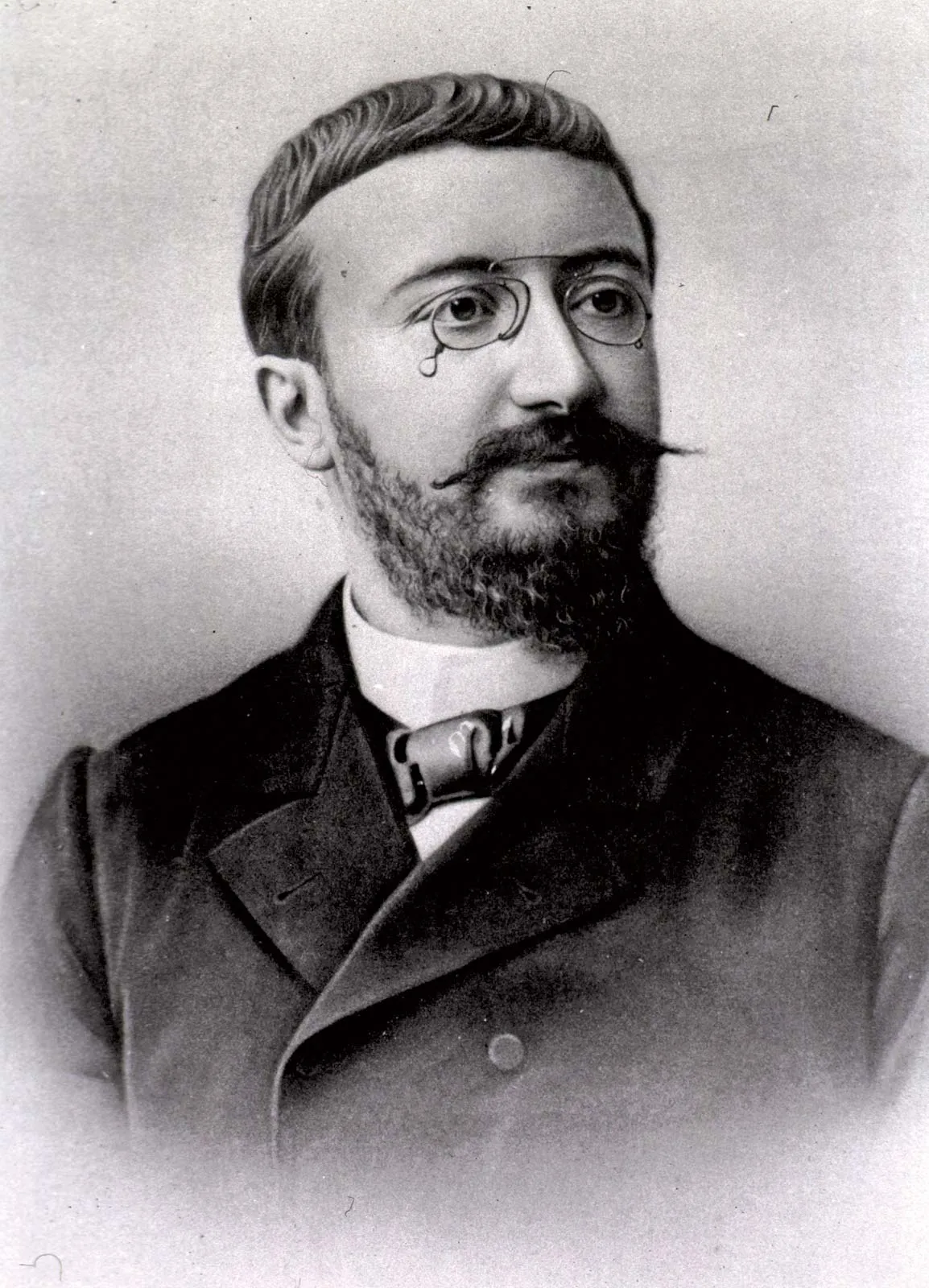
Alfred Binet, born Alfredo Binetti on July 8, 1857, in Nice, which was then part of the Kingdom of Sardinia, is renowned for his groundbreaking work in psychology. Binet is best known for developing the first practical intelligence test, the Binet-Simon scale, which laid the foundation for modern IQ testing. This article explores his early life, contributions to psychology, and the lasting impact of his work.
Early Life and Education
Family and Upbringing
Alfred Binet was born into a modest family in Nice. His early life was shaped by the cultural influences of the region and the socio-political changes of the time. Binet initially pursued a career in law but soon realized his passion lay in the sciences, particularly biology and medicine. This shift in interest set the stage for his future contributions to psychology.
Academic Pursuits
Binet studied at the Sorbonne in Paris, where he was deeply influenced by the works of John Stuart Mill and other prominent scholars. His academic journey led him to the field of psychology, where he focused on understanding human cognition and intelligence. Binet’s early work included research on hypnosis and the psychological aspects of chess, which contributed to his growing reputation as a meticulous and innovative researcher.
Career and Major Contributions
Founding of “L’Année Psychologique”
In 1895, Binet founded “L’Année Psychologique,” the first French journal dedicated to psychology. This publication provided a platform for the dissemination of psychological research and helped establish psychology as a legitimate scientific discipline in France. Binet’s leadership and vision for the journal significantly contributed to the development of experimental psychology in Europe.
The Binet-Simon Scale
Development and Purpose
In 1904, the French Ministry of Public Instruction established a commission to study educational methods for children with intellectual disabilities. Binet was a member of this commission and took on the challenge of identifying children who required special educational assistance. Collaborating with his colleague Théodore Simon, Binet developed the first practical intelligence test in 1905, known as the Binet-Simon scale.
Structure of the Test
The Binet-Simon scale consisted of a series of tasks designed to assess various aspects of intelligence, such as reasoning, problem-solving, and comprehension. The test included thirty problems that varied in difficulty, aimed at measuring a child’s mental age compared to their chronological age. Binet’s innovative approach minimized reliance on academic knowledge, focusing instead on cognitive abilities.
Concept of Mental Age
One of Binet’s significant contributions was the introduction of the concept of mental age. This concept allowed for the comparison of a child’s intellectual performance with the average performance of children in the same age group. If a child performed at the level typical of younger children, they were considered to have a lower mental age, indicating potential intellectual delays.
Refinements and Legacy
Between 1908 and 1911, Binet and Simon made several revisions to their scale, improving its accuracy and applicability. Their work laid the groundwork for future intelligence testing. In 1916, Lewis Terman of Stanford University adapted the Binet-Simon scale into the Stanford-Binet Intelligence Scale, incorporating the concept of the intelligence quotient (IQ) proposed by German psychologist William Stern. The Stanford-Binet test remains a widely used tool for measuring intelligence.
Other Notable Research and Contributions
Studies on Chess
In 1894, Alfred Binet conducted one of the first psychological studies on chess, examining the cognitive processes of skilled chess players. He initially hypothesized that exceptional memory, particularly visual memory, was the key to success in chess. However, his research revealed that while memory played a role, other cognitive abilities such as pattern recognition and strategic thinking were equally important.
Research on Suggestibility
Binet also explored the phenomenon of suggestibility, investigating how individuals’ thoughts and behaviors could be influenced by external suggestions. His work in this area contributed to the understanding of social and cognitive psychology, highlighting the impact of environmental factors on human behavior.
Publications
Throughout his career, Binet published numerous influential works, including:
- La psychologie du raisonnement (The Psychology of Reasoning) (1886)
- Perception intérieure (Internal Perception) (1887)
- Études des psychologie expérimentale (Studies in Experimental Psychology) (1888)
- Les altérations de la personnalité (Alterations of Personality) (1892)
- Introduction à la psychologie expérimentale (Introduction to Experimental Psychology) (1894)
- La suggestibilité (Suggestibility) (1900)
- L’âme et le corps (Soul and Body) (1905)
- Les enfants anormaux (Abnormal Children) (1907)
Impact and Legacy
Influence on Educational Practices
Binet’s work had a profound impact on educational practices, particularly in the identification and support of children with intellectual disabilities. His intelligence tests provided educators with a valuable tool for assessing cognitive abilities and tailoring educational interventions to meet individual needs. Binet’s emphasis on understanding each child’s unique abilities and potential continues to influence special education practices today.
Foundation for Modern IQ Testing
The development of the Binet-Simon scale marked the beginning of modern intelligence testing. Binet’s pioneering work laid the foundation for subsequent advancements in the field, including the development of the IQ score and the establishment of standardized testing practices. The Stanford-Binet test and other derivatives remain widely used in educational and clinical settings to assess cognitive abilities and identify intellectual strengths and weaknesses.
Contributions to Psychology
Alfred Binet’s contributions extended beyond intelligence testing. His research on suggestibility, memory, and cognitive processes enriched the field of psychology, paving the way for future studies and advancements. Binet’s holistic approach to understanding human intelligence and behavior emphasized the complexity of cognitive functioning and the importance of considering multiple factors in psychological assessment.
Personal Legacy
Binet’s dedication to scientific inquiry and his commitment to improving educational outcomes for children left an indelible mark on the field of psychology. He remained active in research and writing until his death in Paris on October 18, 1911. Binet’s legacy is honored through various awards and recognitions, including his inclusion in the Psychology Hall of Fame.
Conclusion
Alfred Binet’s life and work exemplify the impact that innovative thinking and dedication to scientific inquiry can have on society. From his early studies on hypnosis and chess to the development of the first practical intelligence test, Binet’s contributions have shaped the field of psychology and influenced educational practices worldwide. His legacy continues to inspire researchers, educators, and psychologists to explore the complexities of human cognition and to develop tools that enhance our understanding of intelligence and learning.
As we reflect on Binet’s achievements, it is clear that his work has transcended the boundaries of his time, leaving a lasting imprint on the study of intelligence and the methods we use to measure it. Alfred Binet’s pioneering efforts have provided a foundation upon which modern psychology and education continue to build, ensuring that his contributions will be remembered and celebrated for generations to come.


