
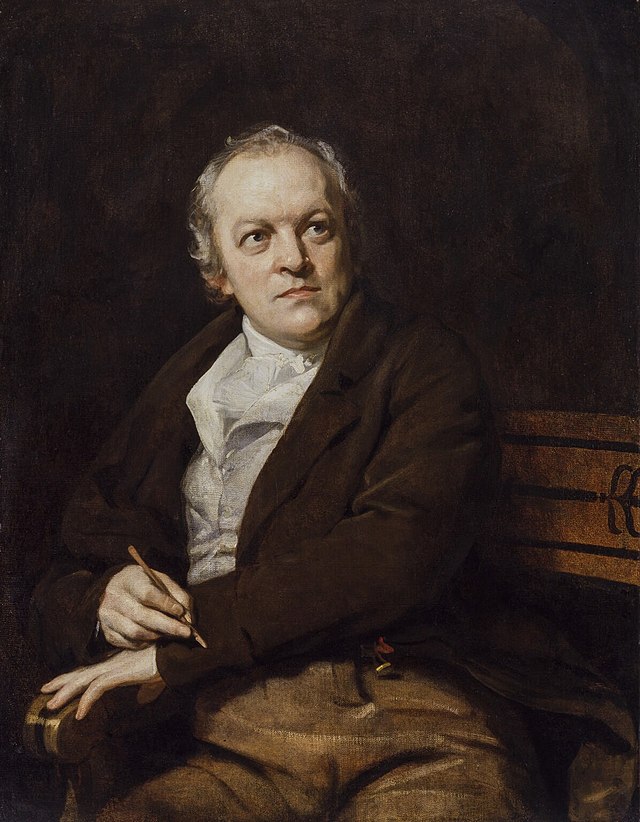
William Blake, born on November 28, 1757, in London, England, is celebrated as one of the most influential figures in the realms of poetry, painting, and engraving. His work is renowned for its imaginative power and innovative techniques, making him a key figure in the Romantic Age. This comprehensive exploration of his life delves into his early years, rise to fame, significant career highlights, and lasting legacy.
Early Life and Education
William Blake was born in the Soho district of London to James and Catherine Blake. He was the third of seven children, but two of his siblings died in infancy. Blake’s parents recognized his early artistic talents and supported his education at home. His mother played a crucial role in nurturing his early love for literature and art.
Artistic Beginnings
At the age of ten, Blake began attending Henry Pars’ Drawing School in the Strand. His formal education in art was brief, but it laid the foundation for his future endeavors. At fourteen, Blake apprenticed with the engraver James Basire, where he learned the techniques that would define his career. His apprenticeship involved copying the Gothic designs at Westminster Abbey, which influenced his later works.
Early Career and Personal Life
After completing his apprenticeship, Blake studied briefly at the Royal Academy of Arts, where he was influenced by the works of Michelangelo and Raphael. Despite his disdain for the Academy’s teachings and its president, Sir Joshua Reynolds, Blake formed important connections with other artists and patrons.
Marriage and Personal Struggles
In 1782, Blake married Catherine Boucher, who played a significant role in his life and work. Catherine learned to read and write, aiding Blake in his artistic and printing endeavors. Despite their close bond, the couple faced financial difficulties and personal tragedies, including the death of Blake’s beloved brother, Robert, in 1787.
Major Works and Innovations
Blake’s career is marked by his unique ability to blend poetry, painting, and engraving into cohesive works of art. His innovations in printing and illustration set him apart from his contemporaries.
Illuminated Printing
One of Blake’s most significant contributions to art was his development of illuminated printing, a method that combined text and illustrations on the same plate. This technique allowed him to control every aspect of his work, from conception to final print. His first major work using this method was “Songs of Innocence” (1789), followed by “Songs of Experience” (1794).
Songs of Innocence and Experience
These collections of poems are among Blake’s most famous works, illustrating the “two contrary states of the human soul.” “Songs of Innocence” explores themes of childhood and purity, while “Songs of Experience” delves into the loss of innocence and the harsh realities of adult life. Poems like “The Lamb” and “The Tyger” showcase his profound philosophical and spiritual insights.
The Marriage of Heaven and Hell
Published in 1793, “The Marriage of Heaven and Hell” is a philosophical work that challenges conventional religious and moral beliefs. Through a series of visionary texts and illustrations, Blake presents his revolutionary ideas about the coexistence of good and evil, emphasizing the importance of human imagination and creativity.
Artistic Achievements and Patronage
Blake’s work received mixed reactions during his lifetime, often misunderstood by his contemporaries. However, he found support from a few loyal patrons who recognized his genius.
Thomas Butts
In 1799, Blake began a long-term relationship with Thomas Butts, a government clerk who became his primary patron. Butts commissioned numerous works from Blake, providing him with much-needed financial stability.
John Linnell and Late Career
In 1818, Blake met John Linnell, an artist and patron who played a crucial role in his later career. Linnell introduced Blake to other artists and secured commissions for him, including illustrations for the “Book of Job” and Dante’s “Divine Comedy.” These projects represent some of Blake’s finest work, showcasing his mature artistic style.
Challenges and Later Life
Blake’s life was marked by personal and professional challenges. Despite his immense talent, he struggled financially and faced criticism and neglect from the art establishment.
Legal Troubles and Personal Hardships
In 1803, Blake faced a legal battle after being accused of uttering seditious remarks against the king and the army during an altercation with a soldier. He was acquitted, but the incident left a lasting impact on him. Financial struggles continued to plague Blake, but he remained committed to his artistic vision.
Final Years and Death
Blake spent his final years in relative obscurity, supported by a small circle of friends and patrons. His health declined, and he suffered from bouts of jaundice and other ailments. Despite these challenges, he continued to work on his art until his death on August 12, 1827.
Legacy and Influence
William Blake’s legacy extends far beyond his lifetime. His visionary art and poetry have inspired countless artists, writers, and thinkers.
Posthumous Recognition
Blake’s work gained wider recognition after his death, particularly in the late 19th and early 20th centuries. His influence can be seen in the works of poets like W.B. Yeats and Allen Ginsberg, as well as artists like Dante Gabriel Rossetti and modern illustrators.
Cultural Impact
Blake’s unique blending of visual and literary art forms has had a lasting impact on various fields. His works continue to be studied and celebrated for their innovative techniques and profound philosophical insights. Exhibitions of his art draw large audiences, and his poetry remains a staple in literary curricula.
The Romantic Movement
Blake is often associated with the Romantic Movement, which emphasized individualism, emotion, and the sublime. His works embody these principles, exploring themes of innocence, experience, imagination, and the human condition.
Conclusion
William Blake’s journey from a young apprentice in London to one of the most influential artists and poets of his time is a testament to his extraordinary talent and vision. Despite facing numerous challenges, Blake’s dedication to his art never wavered. His innovative techniques and profound insights continue to inspire and captivate audiences worldwide. As a pioneer of the Romantic Age, Blake’s contributions to art and literature remain invaluable, cementing his legacy as a true visionary.


