
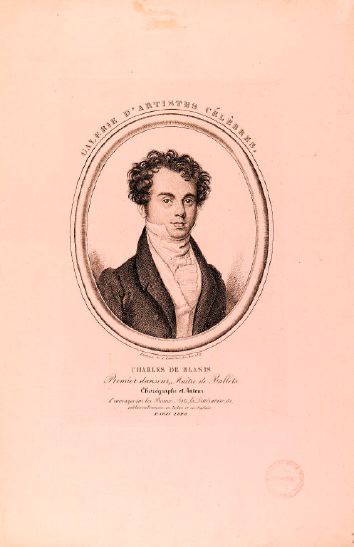
Carlo Blasis, a seminal figure in the world of ballet, has left an indelible mark on the art form. Renowned for his contributions as a dancer, choreographer, and theorist, Blasis’ influence extends far beyond his own performances. His work in codifying and teaching ballet techniques has shaped generations of dancers and continues to be a cornerstone of ballet education today. In this comprehensive exploration, we delve into the life of Carlo Blasis, examining his age, rise to fame, significant career milestones, and lasting legacy in the ballet world.
Early Life and Background
Carlo Blasis was born on November 4, 1797, in Naples, Italy. His early life was steeped in the rich cultural milieu of Italy, a country renowned for its artistic heritage. From a young age, Blasis exhibited a profound interest in the arts, particularly dance, which would set the stage for his future career in ballet.
Childhood and Education
Growing up in Naples, Blasis was exposed to a vibrant artistic environment. His initial education in dance began under the guidance of his parents, who recognized his potential and encouraged his passion. He received formal training at the Teatro San Carlo in Naples, one of the oldest and most prestigious opera houses in the world. This early training provided him with a solid foundation in classical ballet techniques, which he would later refine and expand upon.
Rise to Fame
Carlo Blasis’ ascent to fame in the ballet world was marked by his exceptional talent and innovative approach to dance. His journey from a young dancer in Naples to a celebrated figure in European ballet was characterized by a series of pivotal moments and accomplishments.
Early Career and Notable Performances
Blasis began his professional career as a dancer in various Italian theaters, quickly gaining recognition for his technical prowess and expressive performances. His breakthrough came when he joined the prestigious La Scala Theatre Ballet in Milan, where he performed leading roles and captivated audiences with his dynamic stage presence.
Choreography and Innovations
In addition to his success as a performer, Blasis made significant contributions as a choreographer. He was known for his innovative approach to ballet choreography, integrating complex movements and artistic expressions that were ahead of his time. His choreographic works often pushed the boundaries of traditional ballet, incorporating elements of drama and emotion that resonated with audiences.
Major Career Milestones
Throughout his illustrious career, Carlo Blasis achieved numerous milestones that solidified his status as a pioneer in the ballet world. His work as a dancer, choreographer, and theorist has had a lasting impact on the art form.
“The Code of Terpsichore”
One of Blasis’ most significant contributions to ballet is his seminal work, “The Code of Terpsichore,” published in 1828. This comprehensive treatise on ballet technique and theory remains a foundational text in ballet education. In it, Blasis codified various ballet positions, movements, and exercises, providing a structured framework for teaching and learning ballet. His meticulous documentation of ballet techniques has ensured the preservation and continuity of classical ballet traditions.
Development of the Ballet Class Structure
Blasis is credited with developing the structure of the modern ballet class. His methodical approach to training, which includes a progression of exercises designed to build strength, flexibility, and technical precision, is still used in ballet schools worldwide. Blasis’ emphasis on the importance of daily practice and disciplined training has become a cornerstone of ballet education.
Establishing a Ballet Pedagogy
Blasis’ influence extended beyond his own performances and choreographic works; he was also a revered teacher. He served as a ballet master at the Royal Academy of Dance in Milan, where he trained many of the leading dancers of his time. His pedagogical approach, characterized by a blend of strict discipline and artistic freedom, nurtured the talents of countless dancers who would go on to achieve their own fame.
Personal Life
While Carlo Blasis’ professional achievements are well-documented, his personal life also played a crucial role in shaping his career and legacy. His relationships and experiences outside the ballet studio influenced his artistic vision and contributed to his enduring impact on the ballet world.
Marriage and Family
Blasis married Annunziata Ramaccini, a fellow dancer, and the couple shared a deep bond through their mutual love of ballet. Annunziata often performed in Blasis’ choreographic works, and their partnership extended beyond the stage. They had several children, and their family life was marked by a shared dedication to the arts.
Influence of Personal Experiences
Blasis’ personal experiences, including his travels and interactions with other artists, influenced his work. His exposure to different cultural and artistic traditions enriched his choreographic style and broadened his perspective on ballet. These experiences allowed him to incorporate diverse elements into his work, contributing to the evolution of ballet as a dynamic and multifaceted art form.
Public Image and Legacy
Carlo Blasis’ public image is that of a pioneering figure in ballet, whose contributions have had a profound and lasting impact on the art form. His legacy is characterized by his innovations in ballet technique, pedagogy, and choreography, which continue to shape the training and performances of dancers around the world.
Enduring Influence on Ballet Education
Blasis’ methods and teachings remain integral to ballet education today. His emphasis on technical precision, disciplined training, and artistic expression has set the standard for ballet instruction. Ballet schools and academies worldwide continue to follow the principles outlined in “The Code of Terpsichore,” ensuring that Blasis’ legacy lives on in the training of future generations of dancers.
Recognition and Honors
Throughout his lifetime and posthumously, Carlo Blasis has been recognized for his contributions to ballet. He has been honored by numerous ballet institutions and organizations, and his work is frequently cited in scholarly research on ballet history and technique. Blasis’ name is synonymous with excellence in ballet, and his influence is acknowledged by dancers, choreographers, and educators alike.
Historical Context and Nuances
To fully appreciate Carlo Blasis’ contributions to ballet, it is essential to consider the historical context in which he lived and worked. The early 19th century was a period of significant artistic and cultural development, and ballet was undergoing its own transformation as an art form.
Ballet in the Early 19th Century
During Blasis’ time, ballet was evolving from its roots in the court dances of the Renaissance into a more structured and codified art form. The Romantic movement, with its emphasis on emotion and expression, was beginning to influence ballet, leading to the development of new styles and techniques. Blasis played a crucial role in this evolution, bridging the gap between the traditional court dances and the emerging Romantic ballet.
Impact of the Romantic Movement
The Romantic movement in the arts, characterized by a focus on individual expression and the exploration of emotions, had a profound impact on ballet. Blasis’ work reflected these influences, as he sought to infuse his choreography with dramatic elements and emotional depth. His innovative approach to ballet was in harmony with the broader artistic trends of the time, making his contributions particularly significant.
Recent Developments and Continued Influence
Carlo Blasis’ influence on ballet extends into the present day. His teachings and techniques continue to be a vital part of ballet education, and his legacy is celebrated by dancers and educators around the world.
Contemporary Ballet Education
Modern ballet schools and academies continue to incorporate Blasis’ methods into their training programs. His structured approach to ballet technique, with its emphasis on precision and discipline, remains a cornerstone of ballet education. Dancers today benefit from the foundational principles established by Blasis, which have been passed down through generations of teachers.
Ongoing Research and Scholarship
Blasis’ work continues to be a subject of scholarly research and analysis. Ballet historians and researchers study his contributions to gain a deeper understanding of the development of ballet as an art form. His writings, particularly “The Code of Terpsichore,” are frequently cited in academic studies on ballet history and technique.
Conclusion
Carlo Blasis’ legacy in the world of ballet is unparalleled. As a dancer, choreographer, and theorist, he made groundbreaking contributions that have shaped the art form and continue to influence ballet education and performance today. His innovative approach to ballet technique, his meticulous documentation of dance principles, and his dedication to teaching have left an enduring mark on the ballet world.
Blasis’ journey from a young dancer in Naples to a celebrated figure in European ballet is a testament to his talent, vision, and perseverance. His ability to navigate the evolving landscape of ballet and his commitment to excellence have ensured that his influence remains strong, even centuries after his time. As we continue to celebrate and build upon his legacy, Carlo Blasis’ name will forever be synonymous with the highest standards of ballet artistry and education.


