
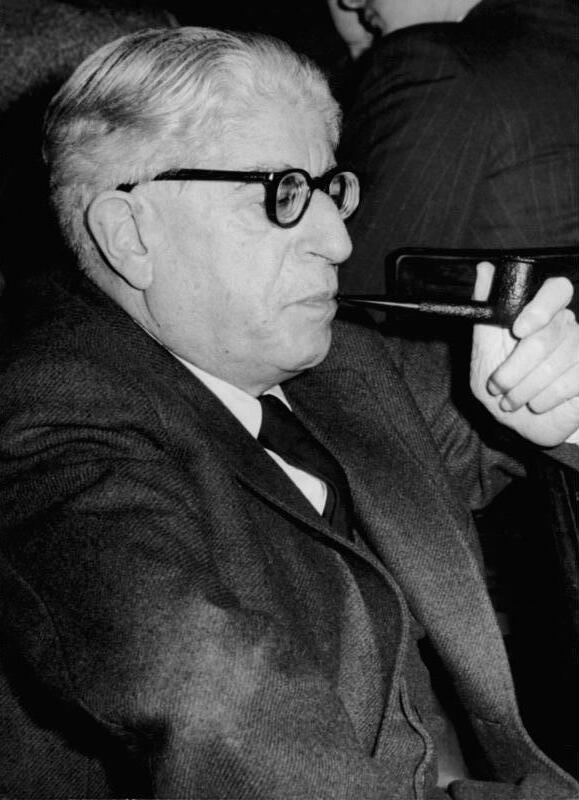
Ernst Bloch is a monumental figure in the realm of philosophy, particularly known for his contributions to utopian thought, Marxist theory, and the philosophy of hope. Bloch’s work has significantly influenced contemporary philosophy, political theory, and cultural criticism. This article provides a comprehensive overview of Ernst Bloch’s life, examining his age, rise to fame, major career milestones, and enduring legacy.
Early Life and Background
Ernst Bloch was born on July 8, 1885, in Ludwigshafen, Germany. His early life was shaped by the socio-political climate of the late 19th and early 20th centuries, a period characterized by significant industrial, social, and intellectual change.
Childhood and Education
Growing up in a relatively well-off Jewish family, Bloch was exposed to a rich cultural and intellectual environment. His father was a railway official, and his family valued education and cultural engagement. Bloch attended secondary school in Ludwigshafen, where he developed an early interest in philosophy, literature, and music.
Bloch’s formal education began at the University of Munich, where he studied philosophy and physics. He later transferred to the University of Würzburg and then to the University of Berlin, where he studied under prominent philosophers such as Wilhelm Dilthey and Georg Simmel. These formative years were crucial in shaping his intellectual pursuits and his eventual focus on utopian and Marxist thought.
Rise to Fame
Ernst Bloch’s rise to fame was not immediate but was marked by his persistent engagement with critical social issues and his innovative philosophical contributions. His journey from a young scholar to a renowned philosopher was characterized by significant intellectual development and political activism.
Early Career and Writings
Bloch’s early career was marked by his engagement with Marxist theory and his efforts to integrate it with his philosophical ideas. His first major work, “Geist der Utopie” (The Spirit of Utopia), published in 1918, established him as a significant thinker in the realm of utopian philosophy. In this work, Bloch explored the concept of utopia as an essential aspect of human consciousness and a driving force for social change. His innovative ideas garnered attention from the academic community and laid the groundwork for his future works.
Political Activism and Exile
The rise of Nazism in Germany forced Bloch, who was of Jewish descent and a Marxist, into exile. He fled to Switzerland in 1933 and later to the United States in 1938. During his exile, Bloch continued to write and engage with intellectual circles, further developing his ideas on hope, utopia, and Marxism. His time in exile was marked by significant hardship but also by intellectual productivity.
Major Career Milestones
Ernst Bloch’s career is marked by several major milestones that solidified his reputation as a leading philosopher. His works, which span several decades, address a wide range of philosophical, political, and cultural issues.
“The Principle of Hope”
Perhaps Bloch’s most famous work, “The Principle of Hope,” was published in three volumes between 1954 and 1959. This monumental work delves into the nature of hope as a fundamental human drive that propels individuals and societies toward a better future. Bloch’s exploration of hope is multifaceted, encompassing philosophical, theological, and cultural dimensions. “The Principle of Hope” is considered a seminal text in utopian thought and has had a profound impact on subsequent philosophical and political discourse.
Return to Germany and Academic Career
After World War II, Bloch returned to Europe, initially settling in East Germany. He accepted a position at the University of Leipzig, where he continued to teach and write. His return to Germany marked a new phase in his career, characterized by increased academic recognition and influence. However, Bloch’s relationship with the East German authorities was fraught with tension due to his critical stance on certain aspects of the socialist regime.
Other Notable Works
In addition to “The Spirit of Utopia” and “The Principle of Hope,” Bloch authored several other influential works, including “Heritage of Our Times” (1935), “Atheism in Christianity” (1968), and “The Philosophy of Praxis” (1976). Each of these works contributes to Bloch’s overarching philosophical project of exploring the intersections of utopia, hope, and Marxist theory.
Personal Life
Ernst Bloch’s personal life was as complex and multifaceted as his intellectual pursuits. His relationships, experiences, and challenges deeply influenced his work and contributed to his enduring legacy.
Marriage and Family
Bloch was married twice. His first marriage was to Else von Stritzky, a fellow intellectual and political activist. Sadly, Else passed away in 1921. In 1934, Bloch married Karola Piotrowska, who was also deeply involved in his intellectual and political life. Karola supported Bloch throughout his years of exile and intellectual work, and their partnership was marked by mutual respect and collaboration.
Exile and Hardship
The years of exile during the rise of Nazism were particularly challenging for Bloch. The displacement and uncertainty he faced during this period deeply influenced his philosophical reflections on hope and utopia. Despite these hardships, Bloch remained intellectually active, continuing to write and engage with other exiled intellectuals.
Public Image and Legacy
Ernst Bloch’s public image is that of a visionary thinker who dared to imagine a better world. His contributions to philosophy, particularly his exploration of hope and utopia, have had a lasting impact on both academic and political discourse.
Influence on Philosophy and Political Theory
Bloch’s ideas have influenced a wide range of fields, including philosophy, political theory, theology, and cultural studies. His concept of hope as a driving force for social change has resonated with scholars and activists alike. Bloch’s work has also been instrumental in the development of critical theory, influencing thinkers such as Theodor Adorno, Walter Benjamin, and Jürgen Habermas.
Recognition and Honors
Throughout his career, Bloch received numerous honors and recognitions. In 1967, he was awarded the German Peace Prize, one of the most prestigious awards in the field of literature and philosophy. His contributions to philosophy have been widely acknowledged, and his works continue to be studied and celebrated worldwide.
Historical Context and Nuances
To fully appreciate Ernst Bloch’s contributions to philosophy, it is essential to consider the historical context in which he lived and wrote. His life spanned significant periods of social and political upheaval, including the two World Wars, the rise of fascism, and the Cold War.
The Weimar Republic and Marxist Thought
Bloch’s early intellectual development took place during the Weimar Republic, a period of intense political and cultural experimentation in Germany. The challenges and opportunities of this era profoundly shaped Bloch’s engagement with Marxist thought and his commitment to social justice. His early works reflect the influence of the revolutionary spirit of the time, as well as a deep concern with the social and economic injustices of capitalism.
Exile and the Cold War
Bloch’s years in exile coincided with significant global upheavals, including World War II and the onset of the Cold War. These experiences deepened his reflections on hope and utopia, as he grappled with the existential threats posed by fascism and totalitarianism. His return to East Germany after the war brought him into direct contact with the challenges of building a socialist society, further informing his critique of existing political structures and his vision for a better future.
Recent Developments and Continued Influence
Ernst Bloch’s legacy continues to be relevant in contemporary philosophy and political theory. His ideas on hope, utopia, and Marxism resonate with ongoing debates about social justice, human rights, and the future of democracy.
Contemporary Relevance of Bloch’s Ideas
In recent years, there has been a renewed interest in Bloch’s work, particularly in the context of contemporary social and political challenges. His emphasis on hope as a transformative force offers valuable insights into current struggles for social justice and political change. Scholars and activists continue to draw on Bloch’s ideas to envision and work towards more equitable and just societies.
Ongoing Scholarship and Interpretation
Bloch’s work remains a subject of active scholarly engagement. Researchers continue to explore the nuances of his philosophy, examining the intersections of his ideas with contemporary theoretical and practical concerns. Conferences, publications, and academic courses dedicated to Bloch’s thought ensure that his legacy remains vibrant and influential.
Conclusion
Ernst Bloch’s journey from a young intellectual in Germany to a renowned philosopher and political thinker is a story of resilience, innovation, and profound insight. His contributions to philosophy, particularly his exploration of hope and utopia, have left an indelible mark on intellectual history.
Bloch’s ability to navigate the challenges of his time, including exile and political repression, while remaining committed to his vision of a better world, is a testament to his intellectual and moral courage. His works continue to inspire and challenge readers, offering a vision of hope and possibility in the face of adversity.
As we continue to grapple with the complexities of our contemporary world, Ernst Bloch’s legacy serves as a reminder of the power of hope and the importance of striving for a more just and equitable society. His contributions to philosophy and political theory remain as relevant today as they were in his own time, providing valuable insights and inspiration for future generations.


