
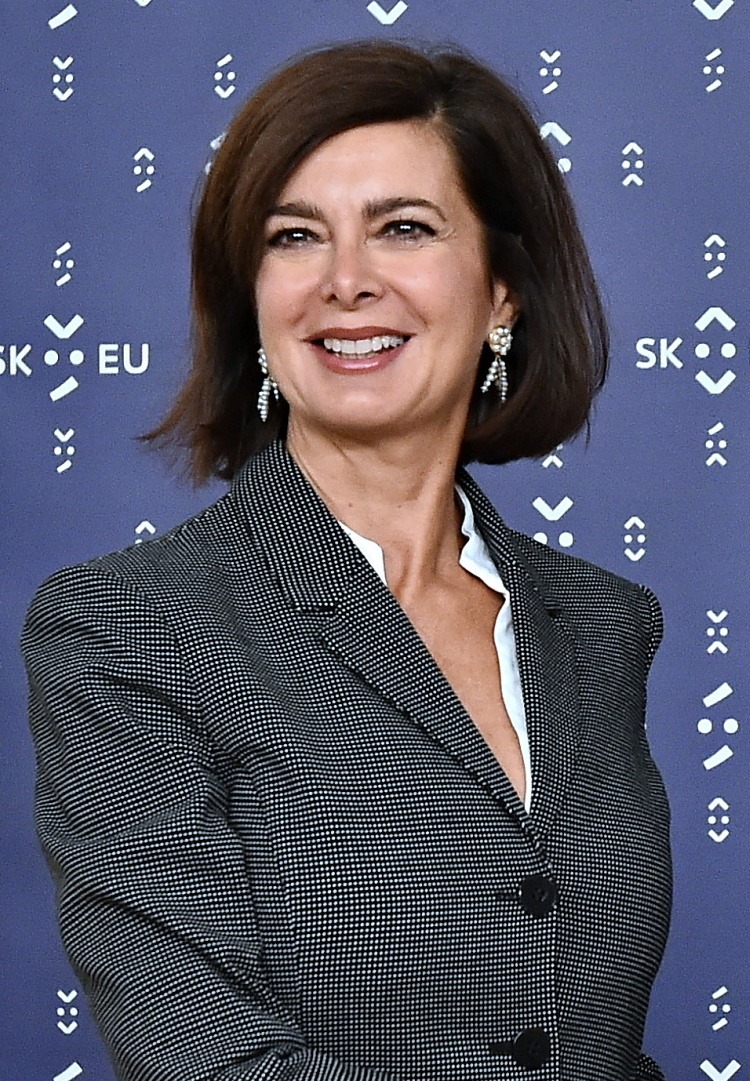
Laura Boldrini is a prominent Italian politician, diplomat, and activist known for her extensive work in humanitarian efforts and advocacy for human rights. Born on April 28, 1961, in Macerata, Italy, Boldrini has had a significant impact both in Italy and on the international stage through her roles at the United Nations and in Italian politics. This article delves into her life, career, and significant achievements, providing detailed insights and exploring the nuances of her contributions to society.
Early Life and Education
Laura Boldrini was born in the Marche region of Italy to an art teacher mother and an attorney father from Matelica. She grew up in the Jesi countryside in the province of Ancona, alongside her sister and three brothers. Boldrini attended the University of Rome La Sapienza, where she graduated with a degree in Law in 1985. Her academic background laid the foundation for her future career in law, diplomacy, and politics.
Early Career and United Nations Work
After completing her studies, Boldrini began her career at RAI, the Italian national public broadcasting company, working in both radio and television. However, in 1989, she transitioned to a career at the United Nations, which marked the beginning of her significant contributions to international humanitarian efforts.
FAO and World Food Program
Boldrini first joined the United Nations Food and Agriculture Organization (FAO), where she worked on producing radio and video content. In 1993, she became the spokesperson for Italy at the World Food Program (WFP), the world’s largest humanitarian organization focused on hunger and food security. Her role at the WFP involved raising awareness about global hunger issues and advocating for resources to support those in need. She remained in this position until 1998.
UNHCR and Humanitarian Missions
In 1998, Boldrini took on the role of spokesperson for the United Nations High Commissioner for Refugees (UNHCR) in Italy. This position allowed her to work closely with refugees and migrants, particularly focusing on the Mediterranean region and the various crises affecting these populations. Her work took her to numerous conflict zones and crisis areas, including Iraq, the former Yugoslavia, Rwanda, Afghanistan, Sudan, Pakistan, Iran, Angola, and the Caucasus.
Boldrini’s dedication to humanitarian work earned her several accolades, including the Official Medal of the National Commission for Equality and Equal Opportunities between Men and Women in 1999, and the title of Knight of the Order of Merit of the Italian Republic in 2004. In 2006, she received the “Presidential Consort Award” for her significant contributions to humanitarian causes.
Writing and Advocacy
Laura Boldrini’s experiences in the field of humanitarian aid inspired her to share her insights through writing. In 2010, she published her first book, “Tutti Indietro” (“Everyone Back”), which detailed her work with migrants, refugees, and asylum seekers. The book highlighted the human stories behind the statistics, emphasizing the importance of compassion and humanity in addressing global migration issues.
In 2011, Boldrini received the “Renato Benedetto Fabrizi National Award” from ANPI (National Association of Italian Partisans) and the “Cesena City of Peace” award. She also contributed to the blog “Popoli in Fuga” (“People on the Run”) on the website of the Italian newspaper “La Repubblica,” where she continued to advocate for the rights of displaced persons and refugees.
Political Career
Entry into Politics
Boldrini’s transition from humanitarian work to politics was driven by her desire to influence policy on a larger scale. In the lead-up to the 2013 Italian general elections, she was invited by Nichi Vendola, leader of the Left Ecology Freedom party (Sinistra Ecologia Libertà, SEL), to run for a seat in the Italian Parliament. Boldrini was selected as a candidate without the need to participate in primary elections, reflecting her established reputation and credibility.
Election to the Chamber of Deputies
Boldrini was elected to the Chamber of Deputies in the 2013 elections, representing the constituencies of Marche, Sicily 1, and Sicily 2. She chose to take up her seat in the Sicily 2 constituency. On March 16, 2013, Boldrini was elected President of the Chamber of Deputies, securing 327 votes out of 618. She became the third woman in Italian history to hold this prestigious position, following in the footsteps of Nilde Iotti and Irene Pivetti.
Legislative Initiatives and Focus Areas
As President of the Chamber of Deputies, Boldrini focused on issues such as social justice, human rights, gender equality, and the protection of refugees and migrants. Her tenure was marked by efforts to increase transparency and public engagement in the legislative process. She also worked to promote the inclusion of women and minorities in political and social spheres.
During her time in office, Boldrini continued her advocacy through public speaking and writing. In 2013, she published her second book, “Solo le Montagne Non si Incontrano Mai” (“Only the Mountains Never Meet”), which tells the story of Murayo, a young Somali girl brought to Italy by an Italian soldier for medical treatment. The book highlights the themes of displacement, identity, and the power of human connections across borders.
Challenges and Controversies
Boldrini’s outspoken stance on migration and refugee issues, as well as her efforts to promote gender equality, sometimes placed her at the center of political controversies. Her progressive views and advocacy for marginalized groups attracted both support and criticism. Despite facing significant challenges, Boldrini remained steadfast in her commitment to her principles and continued to champion the causes she believed in.
Advocacy for Migrants and Refugees
Boldrini’s work with migrants and refugees often brought her into direct conflict with political figures and parties that advocated for stricter immigration controls. Her condemnation of the practice of turning away boats carrying migrants in the Mediterranean, and her calls for more humane and compassionate policies, were particularly contentious. Nonetheless, her advocacy efforts were grounded in her extensive experience with UNHCR and her belief in the fundamental rights of all individuals.
Gender Equality and Social Justice
As a prominent female political figure, Boldrini also faced challenges related to gender equality. She worked tirelessly to address issues such as gender-based violence, workplace discrimination, and the underrepresentation of women in leadership roles. Her efforts contributed to broader discussions about gender equality in Italy and inspired many women to pursue careers in politics and public service.
Legacy and Impact
Laura Boldrini’s contributions to humanitarian work and politics have left a lasting impact on Italian society and beyond. Her leadership and advocacy have inspired many to take action on behalf of the most vulnerable populations. Boldrini’s work has highlighted the importance of empathy, compassion, and justice in addressing global challenges.
Humanitarian Legacy
Boldrini’s work with the United Nations and her subsequent political career have underscored the importance of international cooperation and solidarity in addressing humanitarian crises. Her advocacy for refugees and migrants has raised awareness about the plight of displaced persons and the need for comprehensive and humane migration policies.
Political Influence
As President of the Chamber of Deputies, Boldrini played a crucial role in shaping legislative priorities and fostering public engagement in the political process. Her focus on transparency, social justice, and gender equality has influenced contemporary Italian politics and contributed to ongoing efforts to create a more inclusive and equitable society.
Conclusion: Laura Boldrini’s Enduring Legacy
Laura Boldrini’s life and career exemplify the profound impact that dedicated and principled individuals can have on society. Her work in humanitarian aid, combined with her political leadership, has made a significant difference in the lives of countless people. Boldrini’s unwavering commitment to human rights, social justice, and gender equality serves as an inspiration to many.
As we continue to face global challenges related to migration, displacement, and inequality, Boldrini’s legacy reminds us of the importance of empathy, compassion, and justice. Her contributions to humanitarian efforts and her role in Italian politics have left an enduring mark, ensuring that her advocacy for the most vulnerable continues to resonate for years to come.


