
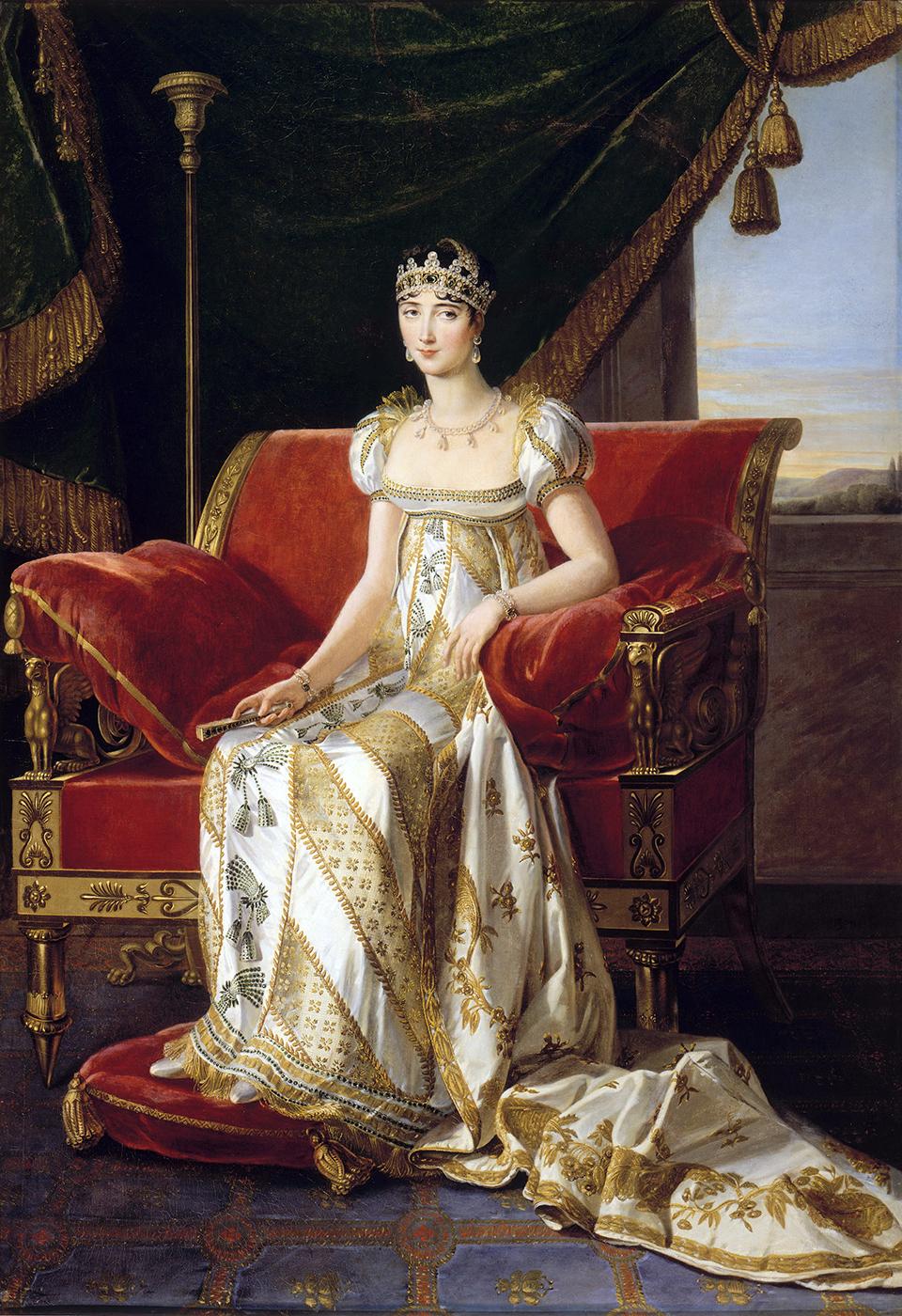
Paolina Bonaparte, born Maria Paola Buonaparte on October 20, 1780, in Ajaccio, Corsica, was a remarkable figure known for her beauty, charm, and complex life. As the sister of the famous French military leader and emperor, Napoleon Bonaparte, Paolina’s life was intertwined with significant historical events and personalities. This article delves into her life, examining her age, rise to fame, and notable life highlights, with detailed insights into her historical context and legacy.
Early Life and Family Background
Paolina Bonaparte was the daughter of Carlo Buonaparte, a lawyer of Tuscan descent, and Letizia Ramolino, a woman of remarkable beauty and strength who bore thirteen children. The Bonaparte family was prominent in Corsica, a Mediterranean island with a turbulent political history. The island was rife with conflict between those seeking autonomy and those loyal to the French monarchy.
Paolina was adored within her family for her grace and beauty, which were evident from a young age. Her early years were marked by the political upheaval that characterized Corsica. In 1793, following attacks by Corsican patriots on their home, the Bonaparte family fled to Marseille, France, with Napoleon’s assistance.
Relationship with Napoleon
Paolina shared a close relationship with her brother Napoleon, who played a significant role in shaping her life. Despite her capricious nature, Napoleon recognized her resilience and strength during difficult times. This bond led to significant influence and control over her personal decisions, including her romantic relationships.
Napoleon intervened in Paolina’s relationship with Stanislas Fréron, a member of the Convention, compelling her to end the affair. Fréron was already married with three children, a fact Paolina discovered but continued the relationship until Napoleon’s intervention.
Marriage to General Leclerc
Napoleon arranged Paolina’s marriage to his general, Victor Emanuel Leclerc. The marriage took place in 1797, and the couple had a son named Dermide. Paolina accompanied Leclerc to various postings, including Milan, Paris, and Santo Domingo. Tragically, Leclerc died of yellow fever in 1802 while stationed in Santo Domingo, leaving Paolina widowed and returning to Paris with her son.
Marriage to Prince Camillo Borghese
In a politically motivated move orchestrated by her brother Joseph Bonaparte, Paolina married Prince Camillo Borghese in 1803. The secret marriage, conducted before the end of her mourning period, angered Napoleon. Despite his disapproval, Napoleon eventually accepted the marriage and advised Paolina to act with maturity and prudence.
Paolina moved to Rome with her new husband, but the city did not bring her happiness. She found Roman nobility’s lifestyle stifling, marked by excessive religiosity and social conventions. Her attempts to return to France were consistently denied by Napoleon, leading to familial tensions. Despite her struggles, Paolina fulfilled her duties during Napoleon’s imperial coronation and supported him during significant events.
Role and Influence
Paolina’s involvement in political life was minimal compared to her siblings. While her sisters actively participated in the political scene of the era, Paolina remained largely detached, focusing more on her personal and social pursuits. However, she held the title of Duchess of Guastalla, bestowed upon her in 1806, but showed little interest in political matters.
Iconic Representation and Relationships
Paolina’s fame was further solidified by her portrayal in art. The renowned sculptor Antonio Canova immortalized her as Venus Victrix, a nude statue that broke societal norms of the time. Paolina’s audacious response to inquiries about her posing for the sculpture—”Everything went well; the environment was well-heated”—highlighted her bold and confident nature.
Her beauty and charm attracted many admirers, including notable figures such as Count of Fourbin, musician Blangini, officer Jules de Canouville, and the celebrated French actor Talma. Despite her reputation for frivolity, Paolina demonstrated immense loyalty and support for her brother Napoleon during his times of need.
Support for Napoleon
Paolina’s loyalty to Napoleon was unwavering. She shared his exile on the island of Elba, attempted to join him at Saint Helena, and provided both moral and material support. Her dedication to her brother was evident during his most challenging times, showcasing her strength and determination.
Later Years and Health Struggles
Paolina’s later years were marked by declining health and a strained marriage. She attempted to reconcile with her husband, Prince Borghese, who initially refused her overtures. However, with the mediation of Cardinals Albani and Consalvi, she was eventually allowed to reside at Villa Sciarra, renamed Villa Paolina in her honor.
She spent time in Tuscany, seeking treatments for her ailments at the baths of Lucca and Pisa, accompanied by her last lover, musician Giovanni Pacini. In 1824, she again sought her husband’s assistance, and despite securing an annulment of their marriage, he welcomed her to his Florentine palace.
Paolina Bonaparte’s health continued to deteriorate, leading to her death on June 9, 1825, at Villa Fabbricotti in Florence. She was 44 years old.
Historical Context and Legacy
Paolina Bonaparte’s life unfolded during a period of profound political and social transformation in Europe. Her brother Napoleon’s rise to power and subsequent influence over European politics placed the Bonaparte family at the center of historical events. Paolina’s actions and relationships were often viewed through the lens of her connection to Napoleon.
Her portrayal by Antonio Canova as Venus Victrix remains one of the most iconic representations of female beauty and strength. This sculpture, along with her various romantic liaisons, contributed to her enduring legacy as a symbol of elegance and independence.
Paolina’s life also highlights the complexities of family dynamics within the Bonaparte clan. Her relationship with Napoleon, marked by both affection and control, underscores the intricate interplay of personal and political motivations. Despite her perceived frivolity, Paolina’s unwavering support for her brother during his exile reflects a deep familial loyalty and resilience.
Conclusion
Paolina Bonaparte’s life was a blend of beauty, charm, and complexity. Her journey from a favored daughter in Corsica to a prominent figure in European society, intertwined with her brother Napoleon’s rise and fall, provides a fascinating glimpse into the era’s history. Her legacy, captured in art and remembered through her relationships and actions, continues to intrigue and inspire.
As we explore her life, Paolina Bonaparte emerges as a multifaceted individual who navigated the challenges of her time with grace and strength. Her story is not only a testament to her personal qualities but also a reflection of the broader historical forces that shaped her world.


