
Introduction
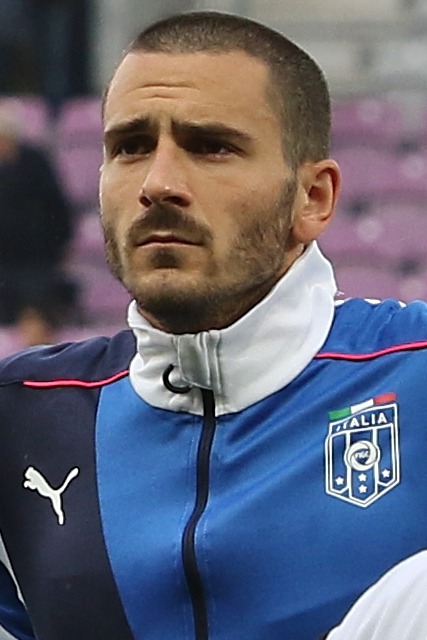
Leonardo Bonucci is one of the most distinguished defenders in modern football, known for his exceptional skills, leadership qualities, and contributions to both club and national teams. Over his illustrious career, Bonucci has become a central figure in Italian football, celebrated for his tactical acumen and resilience on the field. This article delves into the life of Leonardo Bonucci, exploring his age, rise to fame, and key life highlights. We provide detailed insights and explanations, shedding light on the nuances and historical context of his remarkable career.
Early Life and Education
Birth and Family Background
Leonardo Bonucci was born on May 1, 1987, in Viterbo, Italy. Growing up in a family passionate about sports, Bonucci was introduced to football at a young age. His father, Claudio Bonucci, played a significant role in nurturing his interest in the sport, often taking him to local matches and encouraging his early development in football.
Early Football Education
Bonucci’s formal football education began at the youth academy of Viterbese, a local club in his hometown. His talent was evident from a young age, and he quickly progressed through the ranks. Recognizing his potential, scouts from larger clubs began to take notice. At 16, Bonucci moved to Inter Milan’s youth academy, a pivotal step that marked the beginning of his professional career.
Rise to Fame
Early Professional Career
Leonardo Bonucci’s professional career began with Inter Milan, where he made his Serie A debut in 2005. Although his initial time at Inter was marked by limited appearances, it provided him with valuable experience in top-tier football. Seeking more playing time, Bonucci was loaned to Treviso and Pisa, where he showcased his defensive capabilities and gained crucial match experience.
Breakthrough at Bari
Bonucci’s breakthrough came during his stint with Bari in the 2009-2010 season. Playing under coach Gian Piero Ventura, Bonucci formed a formidable defensive partnership with Andrea Ranocchia. His performances caught the attention of top Italian clubs, and he was soon regarded as one of the most promising defenders in Serie A. His ability to read the game, coupled with his strong tackling and aerial prowess, made him a standout player.
Move to Juventus
In 2010, Bonucci’s career took a significant leap forward when he signed with Juventus. This move marked the beginning of a highly successful period in his career. At Juventus, Bonucci quickly established himself as a key player, forming part of a legendary defensive trio alongside Giorgio Chiellini and Andrea Barzagli. This trio, often referred to as the “BBC” defense, became the backbone of Juventus’s success over the next decade.
Major Achievements
Domestic and International Success with Juventus
Leonardo Bonucci’s tenure at Juventus has been marked by numerous achievements. He has won multiple Serie A titles, Coppa Italia trophies, and Supercoppa Italiana titles with the club. His leadership on the field and ability to marshal the defense have been critical to Juventus’s dominance in Italian football. Bonucci’s contributions have not been limited to domestic competitions; he has also played a pivotal role in Juventus’s runs to the UEFA Champions League finals in 2015 and 2017.
Success with the Italian National Team
Bonucci’s impact extends to the international stage, where he has been a mainstay in the Italian national team. He made his debut for Italy in 2010 and has since earned over 100 caps. Bonucci was a key player in Italy’s squad for the 2012 UEFA European Championship, where the team finished as runners-up. His most significant achievement with the national team came in 2021 when Italy won the UEFA European Championship. Bonucci’s performances throughout the tournament, including a crucial goal in the final against England, were instrumental in securing the title for Italy.
Individual Honors and Recognition
Leonardo Bonucci’s exceptional performances have earned him numerous individual accolades. He has been named in the Serie A Team of the Year multiple times and has received the prestigious “Gran Galà del Calcio” award. His consistent performances have also earned him a place in the UEFA Team of the Year and the FIFPro World XI. Bonucci’s recognition extends beyond individual awards; he is widely regarded as one of the best defenders of his generation.
Challenges and Controversies
Transfer to AC Milan and Return to Juventus
One of the most notable challenges in Bonucci’s career came in 2017 when he made a surprising move to AC Milan. The transfer shocked the football world, as Bonucci had been a central figure at Juventus. His time at Milan was challenging, both on and off the field. Despite being named captain, Bonucci struggled to replicate his Juventus form, and the team underperformed. After just one season, Bonucci returned to Juventus, where he quickly regained his form and leadership role.
Throughout his career, Bonucci has faced criticism and dealt with injuries. His decision-making and performances have sometimes been scrutinized, especially during difficult periods for his teams. However, Bonucci’s resilience and determination have allowed him to bounce back from setbacks. Injuries have also posed challenges, but his professionalism and commitment to recovery have enabled him to maintain a high level of performance.
Personal Life
Family and Interests
Leonardo Bonucci is known for his dedication to his family. He is married to Martina Maccari, and the couple has three children. Bonucci often speaks about the importance of family support in his life and career. His personal experiences, including his son’s health battles, have shaped his perspective on life and football.
Outside of football, Bonucci enjoys spending time with his family and engaging in various hobbies. He has a passion for music and often uses it as a way to relax and unwind. Bonucci’s interests also include charitable work, and he is involved in several initiatives aimed at helping children and families in need.
Philanthropy and Social Causes
Bonucci is actively involved in philanthropy and uses his platform to support various social causes. He has been involved in fundraising efforts for children’s hospitals and has participated in campaigns to raise awareness about rare diseases. Bonucci’s commitment to giving back to the community reflects his values and the sense of responsibility he feels as a public figure.
Historical Context
Evolution of Italian Football
To fully appreciate Leonardo Bonucci’s contributions, it is essential to understand the broader historical context of Italian football. Italy has a rich footballing history, known for its strong defensive traditions and tactical sophistication. Bonucci’s career has coincided with significant changes in the sport, including the globalization of football, the rise of technology in sports science, and the evolution of playing styles. His ability to adapt and thrive in this dynamic environment speaks to his quality as a player.
Impact of Juventus on Italian and European Football
Juventus, one of the most successful clubs in Italy and Europe, has played a crucial role in Bonucci’s career. The club’s emphasis on defensive solidity, combined with a winning mentality, has shaped Bonucci’s approach to the game. Juventus’s dominance in Serie A and consistent performances in European competitions have provided Bonucci with a platform to showcase his talents and achieve his goals.
Legacy and Impact
Long-term Contributions
Leonardo Bonucci’s legacy in football is marked by his significant contributions to both club and country. His defensive skills, leadership qualities, and commitment to excellence have set a high standard for future generations of defenders. Bonucci’s ability to read the game, his precise passing, and his composure under pressure have made him a role model for aspiring footballers.
Influence on Future Generations
Future generations of footballers can draw inspiration from Bonucci’s career and achievements. His dedication to continuous improvement, his resilience in the face of challenges, and his ability to lead by example offer valuable lessons for young players. Bonucci’s emphasis on teamwork, discipline, and professionalism will continue to influence the footballing world for years to come.
Conclusion
Leonardo Bonucci’s life and career offer a compelling narrative of talent, perseverance, and impact. From his early days in Viterbo to his status as one of the world’s top defenders, Bonucci has consistently demonstrated his ability to excel at the highest levels of football. His achievements, challenges, and contributions provide valuable insights into the dynamic world of professional football.
As we reflect on Bonucci’s journey, it becomes clear that his work extends beyond individual accomplishments. He has played a crucial role in shaping the future of Italian football and in promoting a more competitive and resilient approach to the game. Through his exceptional performances and unwavering commitment to his teams, Leonardo Bonucci has left an enduring legacy that continues to inspire and guide future generations of footballers.


