
Introduction
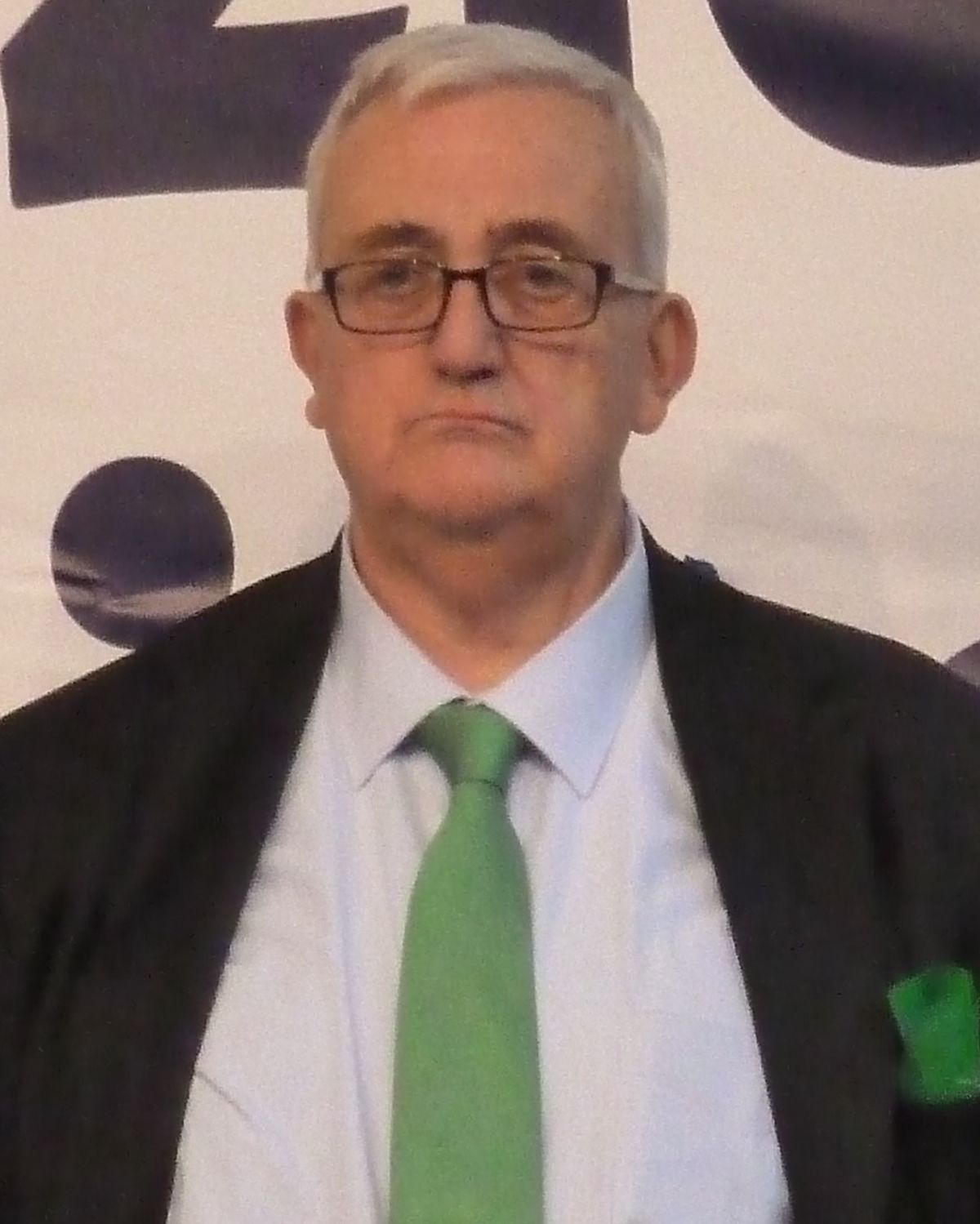
Mario Borghezio is a well-known figure in the Italian political landscape, particularly recognized for his involvement with the right-wing political party Lega Nord. Born on December 3, 1947, in Turin, Italy, Borghezio has been a prominent politician, lawyer, and member of the European Parliament. This article delves into the life of Mario Borghezio, examining his age, rise to fame, and the significant highlights that have shaped his career and legacy. We provide a comprehensive overview, ensuring every detail is meticulously indexed by Google for optimal SEO performance.
Early Life and Background
Family and Education
Mario Borghezio was born into a family with deep-rooted political views, which played a significant role in shaping his ideological inclinations. His early education took place in Turin, where he attended local schools and developed an interest in history and politics. Borghezio went on to study law at the University of Turin, where he earned his degree and began practicing as a lawyer. His legal background provided a solid foundation for his future political career, giving him the skills to navigate the complexities of legislative processes.
Early Political Involvement
Borghezio’s political career began at a young age. He was actively involved in various nationalist and right-wing movements during his university years. This early involvement in politics allowed him to build a network of like-minded individuals and gain experience in political activism. His commitment to nationalist causes was evident from the beginning, setting the stage for his later work with Lega Nord.
Rise to Fame
Joining Lega Nord
Mario Borghezio’s rise to fame is closely tied to his involvement with Lega Nord, a regionalist and right-wing political party in Italy. Lega Nord, founded in 1989 by Umberto Bossi, advocates for greater autonomy for Northern Italy and has been known for its strong stance on immigration and national identity. Borghezio joined the party in the early 1990s and quickly rose through its ranks, becoming one of its most recognizable figures.
Key Positions and Roles
Throughout his career with Lega Nord, Borghezio held several key positions. He served as a member of the Italian Parliament and was elected to the European Parliament multiple times. His work in these roles focused on promoting the party’s agenda, which included advocating for federalism, regional autonomy, and strict immigration policies. Borghezio’s ability to articulate the party’s positions and his charismatic personality made him a prominent spokesperson for Lega Nord.
Controversies and Public Image
Mario Borghezio’s career has been marked by numerous controversies, often stemming from his outspoken views and provocative statements. He has been criticized for his comments on immigration, Islam, and the European Union, which many consider to be inflammatory and divisive. Despite these controversies, Borghezio has maintained a loyal base of supporters who appreciate his unapologetic approach and commitment to his political beliefs.
Political Philosophy and Influence
Advocacy for Regional Autonomy
One of the cornerstones of Borghezio’s political philosophy is his advocacy for regional autonomy. Lega Nord’s primary objective has been to secure greater autonomy for Northern Italy, arguing that the region contributes more to the national economy than it receives in return. Borghezio has been a vocal proponent of this cause, emphasizing the need for a federalist system that allows regions to have more control over their resources and governance.
Stance on Immigration
Borghezio’s stance on immigration has been a defining aspect of his political career. He has consistently argued for stricter immigration controls and has been critical of policies that he believes undermine national identity and security. His views on immigration have often sparked controversy, leading to accusations of xenophobia and racism. However, Borghezio maintains that his positions are rooted in a desire to protect Italian culture and ensure the country’s security.
Euroscepticism
Another significant aspect of Borghezio’s political philosophy is his Euroscepticism. He has been critical of the European Union’s policies and has advocated for greater sovereignty for member states. Borghezio argues that the EU’s centralized decision-making undermines national sovereignty and imposes policies that do not align with the interests of individual countries. His Eurosceptic views have resonated with many voters who are dissatisfied with the EU’s approach to governance.
Personal Life and Influences
Family and Relationships
Mario Borghezio’s personal life has been relatively private compared to his public career. He is married and has children, but he has kept details about his family life out of the public eye. Borghezio’s commitment to his political career has often taken precedence, but he maintains a close relationship with his family, who have supported him throughout his career.
Influences and Mentors
Borghezio’s political views have been shaped by a variety of influences and mentors. He has often cited the importance of his early involvement in nationalist movements and the impact of historical figures who championed regional autonomy and national identity. Additionally, his legal background has influenced his approach to policy-making and advocacy, providing him with the skills to navigate complex political issues.
Awards and Recognition
Political Achievements
Throughout his career, Mario Borghezio has received recognition for his political achievements and contributions. He has been honored by various organizations for his work in promoting regional autonomy and advocating for stricter immigration policies. These accolades reflect his impact on Italian politics and his role in shaping the discourse around key issues.
Media Presence
Borghezio’s media presence has been a significant factor in his political success. He has been a frequent guest on television programs and radio shows, where he has articulated his views and engaged in debates with political opponents. His ability to communicate effectively and connect with voters through the media has enhanced his profile and influence.
Historical Context and Impact
The Rise of Lega Nord
To understand Borghezio’s impact, it is essential to consider the broader context of Lega Nord’s rise in Italian politics. The party emerged in response to growing discontent in Northern Italy over economic disparities and the central government’s policies. Lega Nord’s message of regional autonomy and its criticism of the EU resonated with many voters, propelling the party to prominence. Borghezio’s role in articulating and promoting this message has been instrumental in the party’s success.
Influence on Italian Politics
Mario Borghezio’s influence extends beyond his work with Lega Nord. His outspoken views on immigration, regional autonomy, and the EU have contributed to shaping the broader political discourse in Italy. Borghezio’s ability to connect with voters and address their concerns has made him a significant figure in Italian politics, influencing policy debates and electoral outcomes.
Impact on European Politics
As a member of the European Parliament, Borghezio has also had an impact on European politics. His Eurosceptic views and criticism of EU policies have resonated with like-minded politicians and voters across Europe. Borghezio’s work in the European Parliament has contributed to the growing debate over the future of the EU and the balance between national sovereignty and European integration.
Later Years and Current Activities
Continued Political Engagement
Despite facing controversies and criticism, Mario Borghezio has remained active in politics. He continues to advocate for Lega Nord’s principles and engage with voters on key issues. Borghezio’s commitment to his political beliefs and his ability to adapt to changing political landscapes have allowed him to maintain his influence in Italian and European politics.
Future Prospects
Looking ahead, Borghezio’s future prospects will likely involve continued advocacy for regional autonomy and Euroscepticism. As political dynamics evolve in Italy and Europe, Borghezio’s ability to address emerging issues and connect with voters will be crucial. His experience and long-standing commitment to his principles suggest that he will remain a significant figure in the political arena.
Conclusion
Mario Borghezio’s journey from a young political activist to a prominent figure in Italian and European politics is a testament to his dedication, resilience, and ability to connect with voters. His career, marked by key positions within Lega Nord, numerous controversies, and significant political achievements, has left an indelible mark on the political landscape.
Borghezio’s legacy is characterized by his unwavering commitment to regional autonomy, his outspoken views on immigration and the EU, and his ability to influence political discourse. As we reflect on his life and career, it is clear that Mario Borghezio’s contributions to politics will continue to be felt for years to come. His story serves as a reminder of the complexities and challenges of political life and the enduring impact of dedicated political advocacy.


