
Introduction
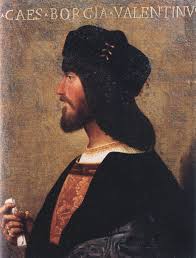
Cesare Borgia, a name that echoes through history with an aura of power, ambition, and controversy, is one of the most compelling figures of the Italian Renaissance. Born on September 13, 1475, in Rome, Italy, Cesare was the son of Pope Alexander VI and a pivotal player in the political dynamics of his time. This article delves into the life of Cesare Borgia, examining his age, rise to fame, and the significant highlights that have shaped his legacy. We provide a comprehensive overview, ensuring every detail is meticulously indexed by Google for optimal SEO performance.
Early Life and Background
Family and Education
Cesare Borgia was born into the infamous Borgia family, known for their ruthless pursuit of power and influence. His father, Rodrigo Borgia, became Pope Alexander VI, and his mother, Vannozza dei Cattanei, was one of Rodrigo’s mistresses. Cesare’s siblings included his equally famous sister, Lucrezia Borgia, and brother, Juan Borgia.
Cesare received an extensive education, reflecting his noble status. He studied at the University of Perugia and later at the University of Pisa, where he earned a degree in law. His education was not only in the legal and classical fields but also in military strategy and the arts, preparing him for the multifaceted roles he would later assume.
Early Church Career
Initially destined for a career in the Church, Cesare was appointed as a cardinal at a young age, following his father’s ascension to the papacy in 1492. However, Cesare’s ambitions and temperament were ill-suited to the ecclesiastical life. His true aspirations lay in the political and military spheres, setting the stage for his departure from the Church and his entry into the turbulent world of Renaissance politics.
Rise to Fame
Departure from the Church
In 1498, Cesare Borgia renounced his cardinalate, becoming the first person in history to resign from the College of Cardinals. This unprecedented move was facilitated by his father, Pope Alexander VI, who had grand plans for Cesare’s secular career. The pope secured for him the title of Duke of Valentinois, bestowed by King Louis XII of France, marking the beginning of Cesare’s military and political ascent.
Military Campaigns and Conquests
Cesare’s military prowess quickly became evident as he embarked on a series of campaigns to expand his family’s dominion. With the support of French troops, Cesare conquered several territories in central Italy, including the Romagna region. His strategic acumen and ruthless tactics earned him a reputation as a formidable leader and a master of Renaissance warfare.
One of Cesare’s most notable achievements was the capture of the fortress of Forlì, defended by the formidable Caterina Sforza. This victory solidified his control over the Romagna and demonstrated his capability as a military commander.
The Machiavellian Prince
Cesare Borgia’s political and military strategies greatly influenced Niccolò Machiavelli, the renowned political philosopher. Machiavelli’s observations of Cesare’s tactics during his campaigns in Italy formed the basis for his seminal work, “The Prince.” In this treatise, Machiavelli praises Cesare’s cunning, decisiveness, and ability to maintain power, making him an exemplar of the effective, if ruthless, ruler.
Political Ambitions and Alliances
Alliance with France
Cesare’s alliance with France was a cornerstone of his political strategy. By aligning himself with King Louis XII, he secured military support and legitimacy for his conquests. This alliance was further cemented by his marriage to Charlotte d’Albret, a French noblewoman, in 1499. This marriage bolstered his position in the French court and provided additional resources for his campaigns.
Governance and Reforms
As Duke of Valentinois and Romagna, Cesare implemented significant administrative and military reforms. He established a centralized government, reorganized the local administration, and introduced measures to ensure law and order. These reforms were aimed at consolidating his power and creating a stable and efficient state under his control.
Decline and Fall
Cesare’s fortunes began to wane following the death of his father, Pope Alexander VI, in 1503. The new pope, Julius II, was hostile towards the Borgia family and sought to curtail their influence. Cesare was eventually arrested and imprisoned by the Spanish crown. Although he managed to escape and briefly attempted to reclaim his territories, his power was effectively broken. He died in 1507 while fighting in Navarre, in a last bid to restore his influence.
Historical Context and Impact
The Italian Renaissance
Cesare Borgia’s life and career must be understood within the broader context of the Italian Renaissance, a period characterized by political fragmentation, artistic flourishing, and intellectual innovation. The Borgia family’s rise to power was emblematic of the era’s volatile politics, where alliances shifted rapidly, and power was often maintained through force and cunning.
Influence on Political Thought
Cesare’s actions and strategies had a profound impact on political thought, particularly through the works of Machiavelli. “The Prince” remains one of the most influential political treatises in Western history, and Cesare Borgia’s life serves as a primary example of the pragmatic and often ruthless exercise of power. His ability to inspire such a foundational work highlights his significance in the annals of political theory.
Contributions to Statecraft
Beyond his military exploits, Cesare’s administrative reforms in the Romagna region laid the groundwork for modern statecraft. His emphasis on centralized control, efficient governance, and the rule of law were ahead of their time and contributed to the development of more cohesive and effective political entities in Italy.
Myths and Misconceptions
The Dark Legend of the Borgias
The Borgia family, including Cesare, has been the subject of numerous myths and misconceptions, often fueled by their contemporaries and later dramatizations. Cesare’s reputation as a ruthless and ambitious leader has been exaggerated, with many attributing to him deeds and characteristics that reflect broader fears and biases of the time. While Cesare was undoubtedly a formidable and ambitious figure, the darker aspects of his legend must be critically assessed within the historical context.
Reassessing Cesare’s Legacy
Modern historians have sought to reassess Cesare Borgia’s legacy, separating fact from fiction and providing a more nuanced view of his life and actions. This reevaluation has highlighted his significant contributions to military strategy, statecraft, and political thought, offering a more balanced understanding of his complex character.
Personal Life and Character
Relationships and Influence
Cesare Borgia’s personal relationships were integral to his political strategy. His marriage to Charlotte d’Albret, his alliances with powerful families, and his role within the Borgia family all shaped his actions and ambitions. Despite the often ruthless nature of his political maneuvers, Cesare was known for his charisma and ability to inspire loyalty among his followers.
Character and Reputation
Cesare’s character has been the subject of much debate. Contemporary accounts describe him as intelligent, decisive, and capable, yet also ruthless and ambitious. His ability to navigate the treacherous waters of Renaissance politics speaks to his skill and resourcefulness, while the darker aspects of his reputation reflect the contentious and often brutal nature of his era.
Later Years and Death
Final Campaigns and Imprisonment
Following his father’s death, Cesare’s power rapidly declined. Betrayed by former allies and beset by enemies on all sides, he was captured and imprisoned by the Spanish crown. Although he managed to escape and briefly attempted to reclaim his territories, his efforts ultimately failed. Cesare’s final years were marked by a series of desperate campaigns to restore his power, culminating in his death in 1507 while fighting in Navarre.
Death and Legacy
Cesare Borgia died on March 12, 1507, at the age of 31, during a military campaign in Navarre. His death marked the end of his tumultuous career, but his legacy continued to resonate. The complex and often contradictory nature of his life has ensured that he remains a subject of fascination and study, symbolizing the volatile and dynamic nature of the Renaissance.
Conclusion
Cesare Borgia’s life is a story of ambition, power, and intrigue. From his early years as a cardinal to his rise as a military and political leader, Cesare navigated the complexities of Renaissance Italy with intelligence and ruthlessness. His legacy, marked by both achievements and controversies, continues to captivate historians and the public alike.
As we reflect on his life, it is clear that Cesare Borgia was a multifaceted figure who defies simple categorization. His contributions to military strategy, statecraft, and political thought have left an indelible mark on history. By reassessing his life and separating fact from fiction, we gain a deeper understanding of this remarkable man and the turbulent times in which he lived.


