
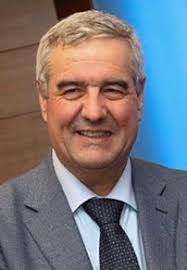
Angelo Borrelli, born on November 18, 1964, in Santi Cosma e Damiano, Italy, is a distinguished figure in Italian public administration, known primarily for his role as the head of the Italian Civil Protection Department. His leadership during the COVID-19 pandemic brought him into the national spotlight. This article explores the life, career, and significant achievements of Angelo Borrelli, providing detailed insights and historical context to understand his impact on Italy’s civil protection efforts.
Early Life and Education
Birth and Background
Angelo Borrelli was born in the small town of Santi Cosma e Damiano in the province of Latina. Details about his early life remain scarce, as Borrelli has maintained a degree of privacy regarding his personal background. However, his professional achievements have been well-documented, highlighting a career dedicated to public service and emergency management.
Education
Borrelli pursued higher education at the University of Cassino, where he graduated with a degree in Economics and Commerce. Following his graduation, he became a certified public accountant and auditor, registering with the National Registry of Auditors. His educational background in economics and accounting laid a strong foundation for his future roles in public administration.
Career Beginnings
Initial Roles in Public Administration
Angelo Borrelli’s career in public administration began in earnest in the year 2000 when he joined the National Office for Civil Service. His early work involved various administrative roles that provided him with a comprehensive understanding of the inner workings of governmental operations and emergency management.
Rapid Ascent in the Civil Protection Department
In 2002, Borrelli was appointed as a director within the Civil Protection Department, marking the beginning of a rapid ascent through the ranks. His role involved overseeing financial and administrative functions, crucial for the effective operation of the department during emergencies.
Rise to Prominence
Key Roles and Responsibilities
Angelo Borrelli’s competence and dedication were quickly recognized, leading to his appointment as Deputy Director of the Civil Protection Department. In this capacity, he played a pivotal role in managing responses to several major emergencies, including the 2009 L’Aquila earthquake and the 2012 Emilia earthquake. His effective coordination and management skills during these crises solidified his reputation as a reliable and capable leader.
Appointment as Head of Civil Protection
On August 8, 2017, Borrelli was appointed as the head of the Italian Civil Protection Department, succeeding Fabrizio Curcio. This appointment, made by then-Prime Minister Paolo Gentiloni, came at a time when the department was dealing with numerous challenges, including natural disasters and the need for robust emergency preparedness.
Significant Achievements
Managing Natural Disasters
Under Borrelli’s leadership, the Civil Protection Department responded to several significant natural disasters. Notable among these were the 2016 Central Italy earthquakes, which caused widespread destruction and required extensive coordination for rescue and rehabilitation efforts. Borrelli’s strategic oversight ensured timely and effective responses, minimizing the impact on affected communities.
The Collapse of Ponte Morandi
One of the most critical incidents during Borrelli’s tenure was the collapse of the Ponte Morandi bridge in Genoa on August 14, 2018. This tragic event resulted in 43 deaths and significant infrastructural damage. Borrelli’s management of the emergency response, including search and rescue operations and support for the victims’ families, was widely acknowledged for its efficiency and compassion.
Leadership During the COVID-19 Pandemic
Appointment as COVID-19 Commissioner
The most defining challenge of Borrelli’s career came with the outbreak of the COVID-19 pandemic. On January 31, 2020, he was appointed as the Extraordinary Commissioner for the COVID-19 emergency by Health Minister Roberto Speranza. His primary responsibility was to coordinate the national response to the rapidly spreading virus.
Daily Briefings and Public Communication
During the initial months of the pandemic, Borrelli became a familiar face to millions of Italians. He conducted daily briefings, providing updates on the number of infections, recoveries, and deaths. These briefings were crucial in maintaining transparency and keeping the public informed about the evolving situation. His calm and steady demeanor during these briefings helped reassure a nation grappling with unprecedented uncertainty.
Coordination of Resources and Response Efforts
Borrelli’s role involved coordinating the distribution of medical supplies, including personal protective equipment (PPE) and ventilators, to healthcare facilities across the country. He also oversaw the establishment of field hospitals and the deployment of additional healthcare personnel to the most affected regions. His efforts were instrumental in managing the crisis and mitigating its impact on Italy’s healthcare system.
Challenges and Criticisms
Despite his efforts, Borrelli faced criticism regarding the speed and effectiveness of the response to the pandemic. Issues such as shortages of PPE and delays in the implementation of lockdown measures were points of contention. However, many acknowledged the immense pressure and unprecedented nature of the crisis, which posed significant challenges to even the most robust emergency response systems.
Post-Pandemic and Legacy
End of Tenure
Angelo Borrelli’s tenure as the head of the Civil Protection Department concluded in March 2021, coinciding with the beginning of Mario Draghi’s term as Prime Minister. His successor, Fabrizio Curcio, returned to the role, bringing a sense of continuity to the department’s leadership.
Recognition and Legacy
Borrelli’s contributions to civil protection and emergency management have left a lasting legacy. His leadership during some of Italy’s most challenging crises demonstrated his dedication and capability in managing large-scale emergencies. His role during the COVID-19 pandemic, in particular, highlighted the critical importance of effective communication and coordination in times of national crisis.
Continued Influence
Even after stepping down from his official role, Borrelli’s influence in the field of emergency management continues. His experiences and insights are likely to inform future policies and practices, both in Italy and internationally. His career serves as a testament to the importance of preparedness, resilience, and effective leadership in managing public emergencies.
Conclusion
Angelo Borrelli’s career in public service and emergency management exemplifies dedication, resilience, and leadership. From his early days in public administration to his pivotal role in managing Italy’s response to the COVID-19 pandemic, Borrelli has demonstrated an unwavering commitment to protecting and serving the public. His legacy in the Civil Protection Department will be remembered for his strategic oversight during natural disasters and his calm, reassuring presence during the pandemic. As we reflect on his career, it is clear that Angelo Borrelli’s contributions have significantly shaped Italy’s approach to emergency management and crisis response.


