
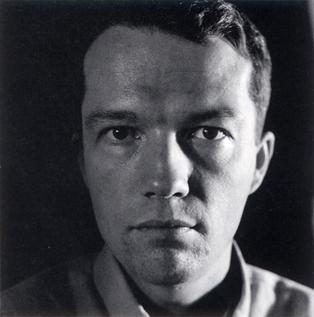
George Brecht, born George Ellis MacDiarmid on August 27, 1926, in New York, was a pioneering American conceptual artist and avant-garde composer. He is best known for his contributions to the Fluxus movement, a network of artists, composers, and designers noted for blending different artistic media and disciplines in the 1960s. Brecht’s innovative approach to art and his background as a professional chemist set him apart in the art world. This article explores Brecht’s life, his rise to fame, and the highlights of his multifaceted career.
Early Life and Education
George Brecht was born in New York City to a musically inclined family. His father, Ellis MacDiarmid, was a flutist with the Metropolitan Opera Orchestra, which had a significant influence on Brecht’s early exposure to the arts. Despite this, Brecht initially pursued a different path. He studied chemistry at the College of Pharmacy and Science in Philadelphia, earning a degree that would later shape his unique approach to art.
During World War II, Brecht served in the U.S. Army, which further diversified his experiences and perspectives. After the war, he returned to academia, completing a Master’s degree in Chemistry at Columbia University. His scientific training and logical mindset would later become integral to his artistic endeavors, particularly in the conceptual and process-oriented art forms.
Transition to Art and the Fluxus Movement
In the late 1950s, Brecht began to shift his focus from chemistry to art. He attended the New School for Social Research in New York, where he studied under John Cage, a leading figure in avant-garde music and art. Cage’s experimental approach to music and performance deeply influenced Brecht and encouraged him to explore the intersections between science, art, and everyday life.
Brecht’s involvement with the Fluxus movement began in the early 1960s. Fluxus, founded by Lithuanian-American artist George Maciunas, was a collective that emphasized the blending of different artistic disciplines and the use of simple, everyday objects in art. The movement aimed to challenge traditional art forms and create a more inclusive, participatory art experience.
Key Contributions and Works
One of Brecht’s most significant contributions to Fluxus was his “event scores.” These were simple, often humorous instructions that guided performances or actions, blurring the line between art and life. Brecht’s event scores were minimalist and open-ended, allowing for a wide range of interpretations and interactions.
“Drip Music” (1959)
One of Brecht’s most famous event scores is “Drip Music.” The score instructs the performer to “drip water into a container, slowly at first, then faster and faster, until it splashes.” This piece exemplifies Brecht’s approach to art, focusing on the process and the everyday actions that can be transformed into artistic experiences.
“Three Yellow Events” (1961)
“Three Yellow Events” is another notable work by Brecht, consisting of three simple actions involving the color yellow. These actions included placing a yellow object on a table, holding a yellow flower, and moving a yellow piece of paper. The simplicity of the tasks and the focus on a single color highlight Brecht’s interest in the elemental aspects of life and art.
Intersection of Art and Science
Brecht’s background in chemistry played a crucial role in his artistic practice. He approached art with the analytical and experimental mindset of a scientist, often incorporating scientific principles and processes into his work. This intersection of art and science is evident in his methodical approach to creating event scores and his interest in the natural world.
Brecht’s scientific career also continued alongside his artistic endeavors. He worked as a consultant for several major corporations, including Pfizer, Johnson & Johnson, and Mobil Oil. This dual career path allowed Brecht to maintain a unique perspective on the world, blending his scientific knowledge with his artistic creativity.
Later Years and Legacy
In the early 1970s, George Brecht moved to Europe, eventually settling in Cologne, Germany. There, he continued to create and exhibit his work, collaborating with other Fluxus artists and participating in various international exhibitions. Brecht’s work during this period remained consistent with his earlier themes, focusing on the everyday and the ephemeral.
Brecht’s influence on contemporary art is significant. His event scores and contributions to the Fluxus movement have inspired countless artists and continue to be studied and performed worldwide. Brecht’s emphasis on the process, simplicity, and the blending of art and life challenges traditional notions of art and encourages a more inclusive and participatory approach.
Major Exhibitions and Recognition
Brecht’s work has been featured in numerous major exhibitions, both during his lifetime and posthumously. Some notable exhibitions include:
- Museum of Modern Art (MoMA), New York: MoMA has included Brecht’s works in several exhibitions, recognizing his contributions to conceptual and performance art.
- Walker Art Center, Minneapolis: Brecht’s works have been featured in exhibitions exploring the Fluxus movement and its impact on contemporary art.
- Kunsthalle Düsseldorf: This German museum has showcased Brecht’s event scores and other works, highlighting his influence on European avant-garde art.
Brecht’s legacy is also preserved through the extensive documentation of his works and collaborations. His event scores and other writings have been published and studied extensively, ensuring that his innovative approach to art continues to inspire future generations.
Conclusion
George Brecht’s life and career epitomize the fusion of art and science, and his contributions to the Fluxus movement have left a lasting impact on the art world. From his early days as a chemist to his later years as a pioneering conceptual artist, Brecht consistently challenged traditional boundaries and encouraged a rethinking of what art could be.
Brecht’s event scores, with their simplicity and focus on everyday actions, invite us to see the artistic potential in the mundane and the ordinary. His work reminds us that art is not confined to galleries and museums but is a part of our daily lives, waiting to be discovered and experienced.
As we continue to explore the boundaries of art in the 21st century, George Brecht’s legacy serves as a powerful reminder of the importance of innovation, experimentation, and the willingness to see the world through a different lens. His contributions to the Fluxus movement and his unique approach to art and life will continue to inspire and challenge artists and audiences alike.


