
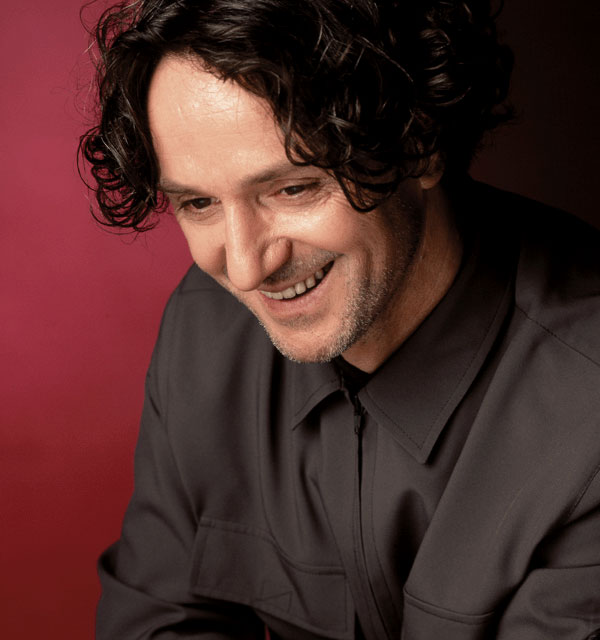
Goran Bregović, born on March 22, 1950, in Sarajevo, then part of Yugoslavia (now Bosnia and Herzegovina), is a renowned musician and composer known for his unique fusion of Balkan folk music with rock and classical elements. Bregović’s illustrious career spans several decades, and he is celebrated for his innovative compositions and contributions to the global music scene. This article explores Bregović’s life, his rise to fame, and the significant highlights of his career, providing detailed insights and historical context.
Early Life and Background
Goran Bregović was born into a culturally diverse family; his mother was Serbian, and his father was Croatian. This multicultural background profoundly influenced his musical style, which often blends various ethnic sounds and traditions. Bregović’s early life in Sarajevo exposed him to a rich tapestry of musical influences, from traditional Balkan folk music to Western rock and classical genres.
Despite his early interest in music, Bregović initially pursued formal education. He studied violin at a music school, but his rebellious nature led him to switch to playing guitar, an instrument that would become central to his musical career. Bregović’s teenage years were marked by his involvement in local rock bands, where he began to develop his distinctive sound.
Rise to Fame with Bijelo Dugme
Goran Bregović’s rise to fame began with the formation of the rock band Bijelo Dugme (White Button) in 1974. Bijelo Dugme quickly became one of the most popular and influential rock bands in the former Yugoslavia. The band’s music was a revolutionary blend of traditional Balkan melodies and rock rhythms, which resonated with a wide audience.
Key Albums and Songs
Bijelo Dugme’s debut album, “Kad bi’ bio bijelo dugme” (If I Were a White Button), released in 1974, was a massive success. The album’s title track became an anthem for youth across Yugoslavia, capturing the spirit of rebellion and change. Subsequent albums like “Šta bi dao da si na mom mjestu” (What Would You Give to Be in My Place) and “Eto! Baš hoću!” (There! I Really Want To!) further solidified the band’s status as rock legends.
Songs like “Bitanga i princeza” (The Bastard and the Princess) and “Pristao sam biću sve što hoće” (I Agreed to Be Whatever They Want) are iconic, reflecting Bregović’s ability to weave poignant lyrics with powerful melodies. Bijelo Dugme’s music not only entertained but also addressed social and political issues, making the band a voice for a generation.
Solo Career and Film Music
After Bijelo Dugme disbanded in 1989, Goran Bregović embarked on a successful solo career. He became renowned for his work as a film composer, collaborating with prominent directors such as Emir Kusturica. Bregović’s film scores are celebrated for their eclectic mix of traditional Balkan sounds, orchestral arrangements, and contemporary influences.
Notable Film Scores
One of Bregović’s most famous film scores is for the movie “Time of the Gypsies” (1988), directed by Emir Kusturica. The soundtrack’s haunting melodies and vibrant rhythms perfectly complemented the film’s narrative, earning Bregović international acclaim. Other notable film scores include “Arizona Dream” (1993) and “Underground” (1995), both of which further showcased his versatility as a composer.
Bregović’s music for “Underground” won the Palme d’Or at the Cannes Film Festival, highlighting his talent for creating emotionally resonant and culturally rich soundscapes. His ability to blend various musical styles into cohesive and compelling scores has made him a sought-after composer in the film industry.
The Wedding and Funeral Orchestra
In the 1990s, Goran Bregović formed the Wedding and Funeral Orchestra, a musical ensemble that embodies his vision of blending diverse musical traditions. The orchestra includes musicians from different backgrounds, playing instruments such as the tuba, accordion, and traditional Balkan brass. The ensemble’s performances are known for their energetic and festive atmosphere, often resembling a traditional Balkan wedding or funeral procession.
Albums and Performances
The Wedding and Funeral Orchestra has released several acclaimed albums, including “Ederlezi” (1998) and “Tales and Songs from Weddings and Funerals” (2002). These albums feature a mix of original compositions and traditional songs, all arranged in Bregović’s unique style. The orchestra’s live performances are a testament to Bregović’s ability to connect with audiences worldwide, creating a joyous and communal musical experience.
Bregović’s work with the Wedding and Funeral Orchestra has also brought him international recognition. He has performed at major festivals and venues across Europe, North America, and beyond, introducing global audiences to the rich musical heritage of the Balkans.
Personal Life and Influences
Goran Bregović’s personal life has been as eclectic and dynamic as his music. He married Dženana Sudžuka in 1993, and the couple has three daughters. Bregović’s family life has often intersected with his musical career, influencing his compositions and performances.
Musical Influences
Bregović’s music is influenced by a wide range of genres and traditions. His early exposure to Western rock music, combined with his deep appreciation for Balkan folk traditions, has resulted in a distinctive and innovative musical style. Influences from classical music, gypsy melodies, and contemporary pop are also evident in his work.
Bregović has often cited traditional Serbian, Croatian, and Bosnian music as significant influences, as well as the works of classical composers like Johann Sebastian Bach and Igor Stravinsky. This blend of influences has enabled Bregović to create music that is both rooted in tradition and forward-looking, appealing to diverse audiences.
Legacy and Impact
Goran Bregović’s impact on the music world is profound. He has not only popularized Balkan music internationally but has also inspired countless musicians to explore and integrate traditional sounds into contemporary music. His innovative approach to composition and performance has set new standards in the music industry.
Awards and Recognition
Bregović has received numerous awards and accolades throughout his career. These include prestigious film awards for his scores, music industry honors, and cultural recognition for his contributions to the arts. His work continues to be celebrated by critics and fans alike, solidifying his legacy as a pioneering musician and composer.
Cultural Ambassador
Beyond his musical achievements, Goran Bregović has served as a cultural ambassador for the Balkans. His music bridges cultural and political divides, promoting understanding and appreciation for the region’s diverse heritage. Bregović’s efforts to preserve and promote Balkan music have earned him respect and admiration worldwide.
Conclusion
Goran Bregović’s life and career are a testament to the power of music to transcend boundaries and bring people together. From his early days in Sarajevo to his rise to fame with Bijelo Dugme and his subsequent success as a solo artist and film composer, Bregović has continually pushed the boundaries of musical expression. His innovative fusion of Balkan folk traditions with rock, classical, and contemporary elements has left an indelible mark on the global music scene.
Bregović’s contributions to music and culture extend beyond his compositions and performances. He has inspired a new generation of musicians to explore and embrace their cultural heritage while fostering a greater appreciation for the rich musical traditions of the Balkans. As Goran Bregović continues to create and perform, his legacy as a pioneering and influential artist remains firmly established.


